
Fire in the island — History & Facts
In Fire in the Island, the tumult of nature transforms into an orchestrated dance of color and form, embodying the visceral energy of turmoil. Focus first on the molten hues that dominate the canvas. The fiery oranges and reds at the center invite your gaze, radiating warmth and danger. From there, allow your eyes to wander outward, where the cooler blues and earthy browns provide a stark contrast, grounding the chaos in the landscape.
Notice the painter’s bold, sweeping strokes that suggest both movement and the unpredictability of flames—a testament to Bonavia's mastery of technique. Within this compelling artwork lies a narrative of duality. The explosive energy of the fire, symbolizing destruction, coexists with the serene beauty of the island, representing resilience. The flames not only consume but also illuminate, revealing hidden details in the foliage and the shoreline, evoking a sense of hope amid devastation.
The lush greenery, untouched in the brush strokes, hints at life persisting despite the chaos around it, a powerful reminder of nature's cycle. Carlo Bonavia created this piece in 1758, during a period when dramatic landscapes were gaining popularity in art. Living in Venice, he was influenced by the work of contemporaries who explored the sublime and the tumultuous aspects of nature. The painting reflects a burgeoning interest in capturing emotional experiences through landscape, a trend that resonated with the Enlightenment’s fascination with nature's power and unpredictability.
More Artworks by Carlo Bonavia
Browse all →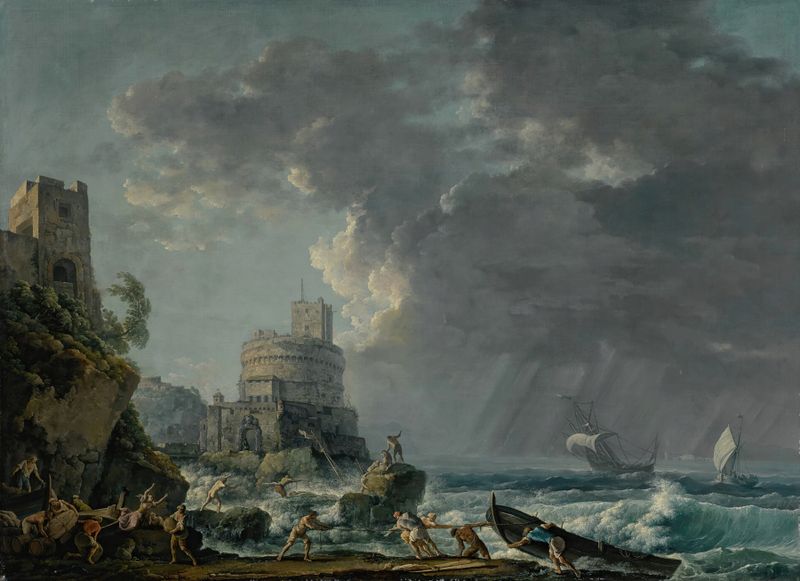
A storm off a rocky coast, with a shipwreck in the foreground and a fort on the rocky shoreline above
Carlo Bonavia
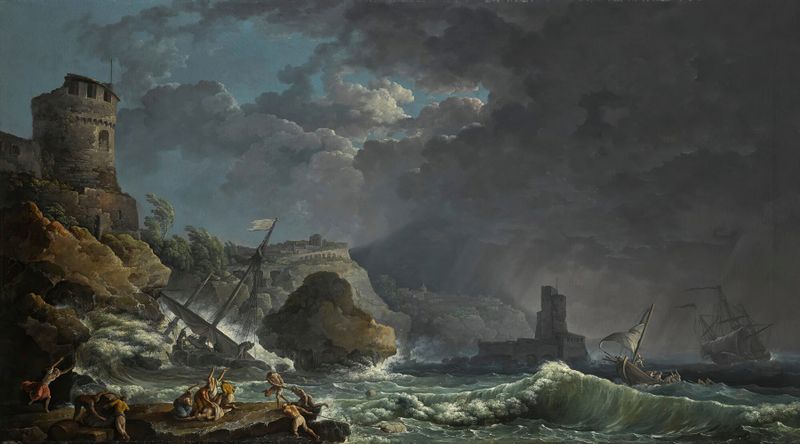
A Storm Off A Rocky Coast
Carlo Bonavia
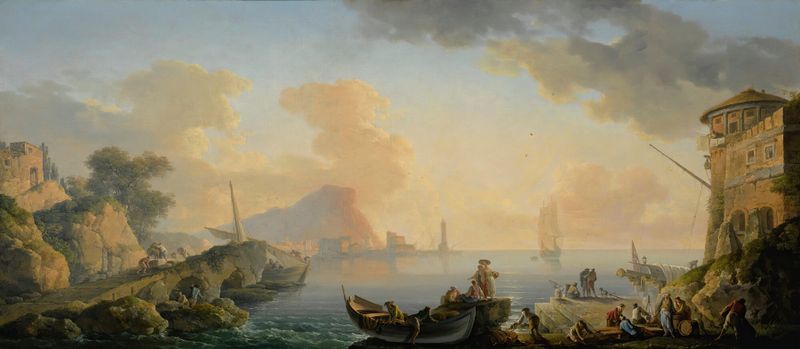
View Of A Harbor At Dawn, With Fishermen Along The Port In The Foreground
Carlo Bonavia
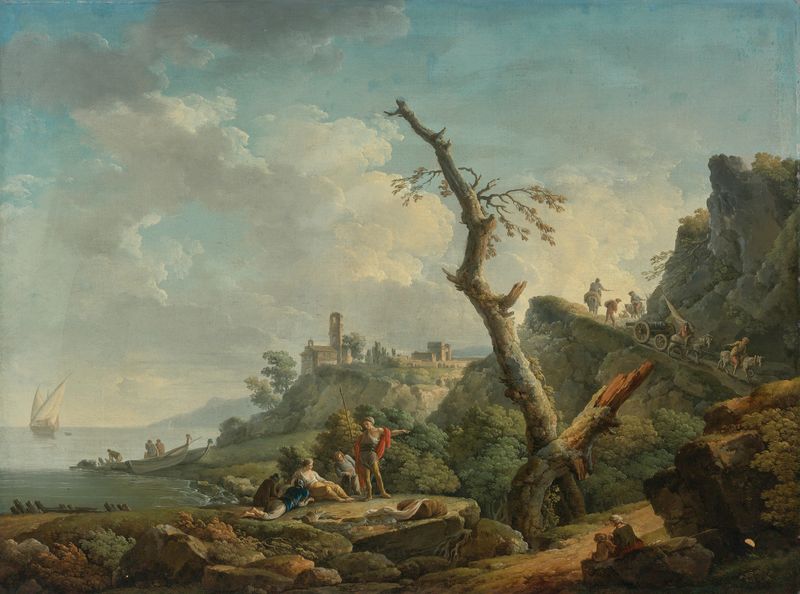
A River Landscape With Figures Reclining In The Foreground
Carlo Bonavia

Shipwreck in a Rocky Inlet
Carlo Bonavia

The Lanterna del Molo, Naples with Vesuvius beyond
Carlo Bonavia
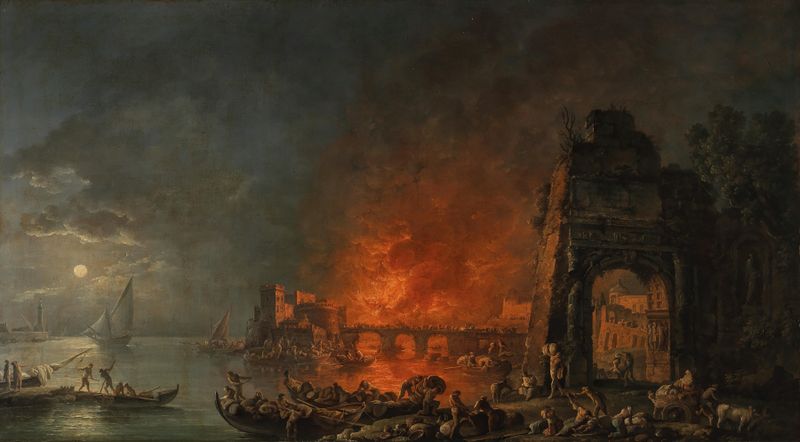
Explosion in a harbour
Carlo Bonavia
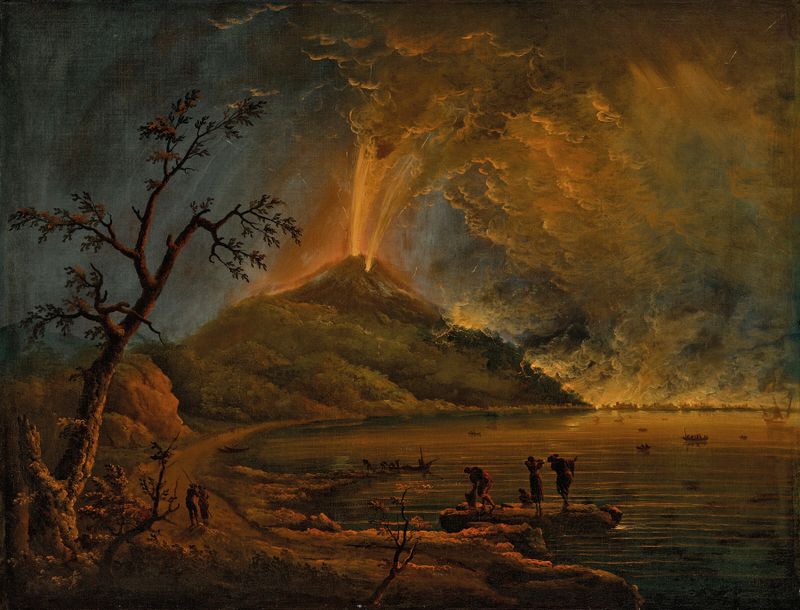
A volcano erupting at night, possibly Mount Etna
Carlo Bonavia





