Fischerboote — History & Facts
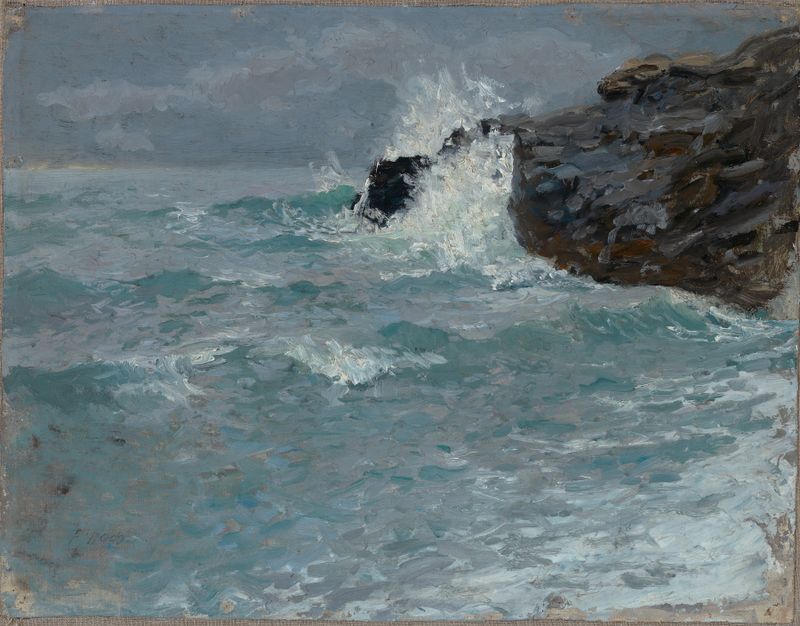
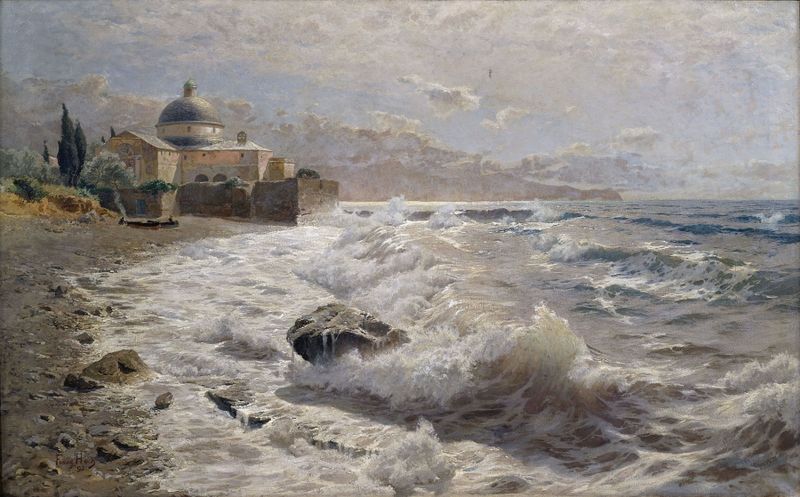
In the stillness of a chaotic mind, creativity can either flourish or falter. The tension between madness and clarity is often where true artistry resides. Focus on the serene waves gently lapping at the hulls of the fishing boats grounded in their muted palette. Notice how the light dances across the water, casting reflections that shimmer like fleeting thoughts.
The boats, anchored yet alive, speak to the simplicity of existence amidst a turbulent sea, their shapes blending organically with the backdrop of soft blues and earthy browns. This composition draws the eye to the delicate balance between nature and man, enveloping the viewer in a world that feels both tranquil and restless. Deep within the artwork, the boats symbolize not just vessels but also the weight of human ambition and the solitude often accompanying it. The interplay of light and shadow hints at unseen currents beneath the surface, suggesting that madness lurks just out of sight, ready to disrupt the calm.
Each brushstroke embodies a moment frozen in time, reflecting the artist's own internal struggles, revealing the contrast between external beauty and internal chaos. Created in 1899, this piece emerged during a period when Hoch was grappling with personal turmoil while seeking to establish his unique voice in the art world. Living in Germany at the turn of the century, he navigated the complexities of a rapidly changing society. In this painting, he managed to encapsulate both the external beauty of coastal life and the tumultuous emotions that defined his artistic journey.