
Fleurier — History & Facts
What secret hides in the quiet of the canvas? Beneath the serene façade of Fleurier, an unsettling tension simmers, inviting the viewer to peer deeper into its surface and reveal the turmoil concealed within. Look to the center of the composition first, where gentle brushstrokes and soft hues create a lush landscape that seems to breathe with life. The verdant greens and warm earth tones exude a tranquil charm, but a closer inspection reveals jagged edges and rough texture lurking at the periphery. Notice how the light bathes the scene in an inviting glow, yet casts long shadows that suggest a hidden violence, hinting at nature’s duality—both nurturing and destructive. Beneath this idyllic veneer lies a contrast between serenity and chaos.
The foliage, lush yet suffocating, appears to envelop the viewer, suggesting entrapment rather than freedom. Small details, like the erratic lines of the branches and the sudden dark patches, evoke a sense of unease, transforming the landscape into a battleground of emotions. The harmony of colors belies the turmoil, prompting an exploration of the unseen violence that can exist in both nature and human experience. In the time of creating this piece, Jacottet was navigating the complexities of post-impressionism, exploring how color and form could express experiences beyond mere representation.
While the exact date remains uncertain, the artist was active in the late 19th century, during a period when artists began challenging traditional norms, infusing their work with layered meanings and emotional depth. This exploration of tranquility juxtaposed with hidden chaos reflects the broader tensions of the era, where art began to venture into the uncharted territories of psychological exploration.
More Artworks by Jean Jacottet
Browse all →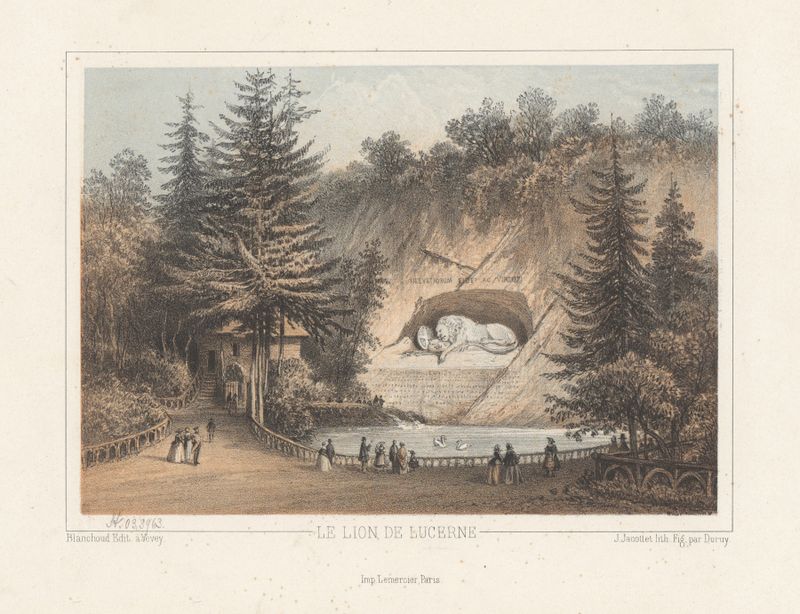
Le lion de Lucerne
Jean Jacottet
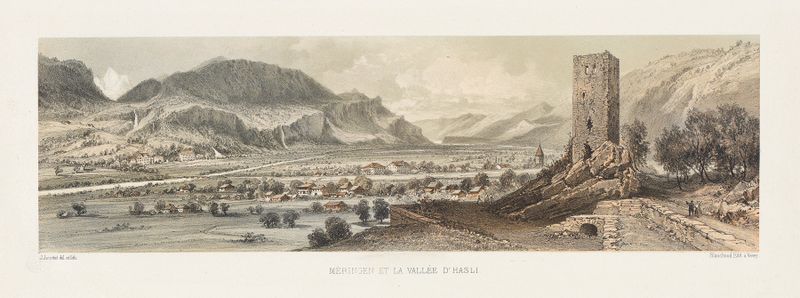
Méringen et la vallée d’Hasli
Jean Jacottet
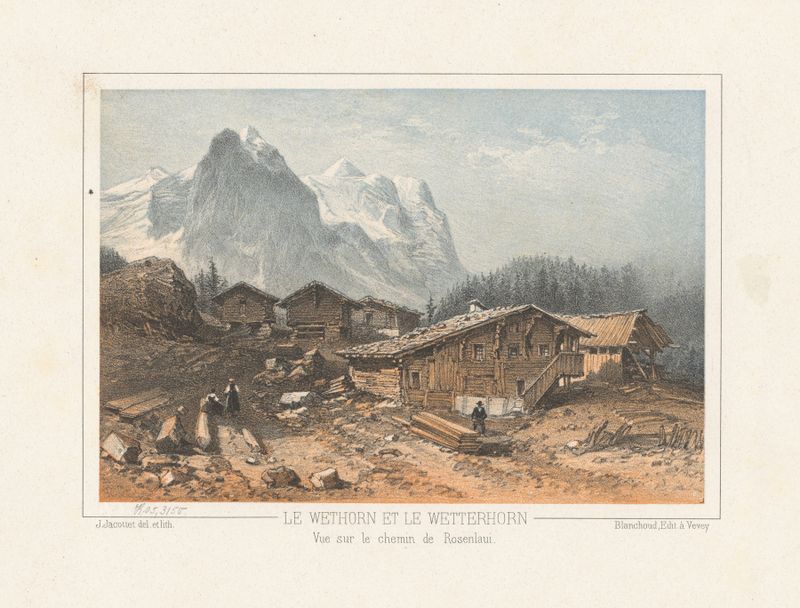
Le Wethorn et le Wetterhorn Vue sur le chemin de Rosenlaui
Jean Jacottet
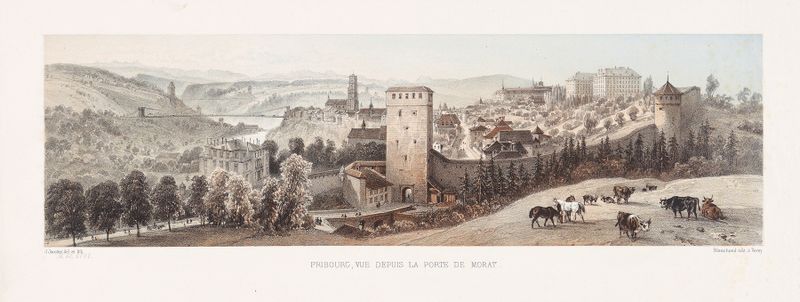
Fribourg, vue depuis la porte de Morat
Jean Jacottet
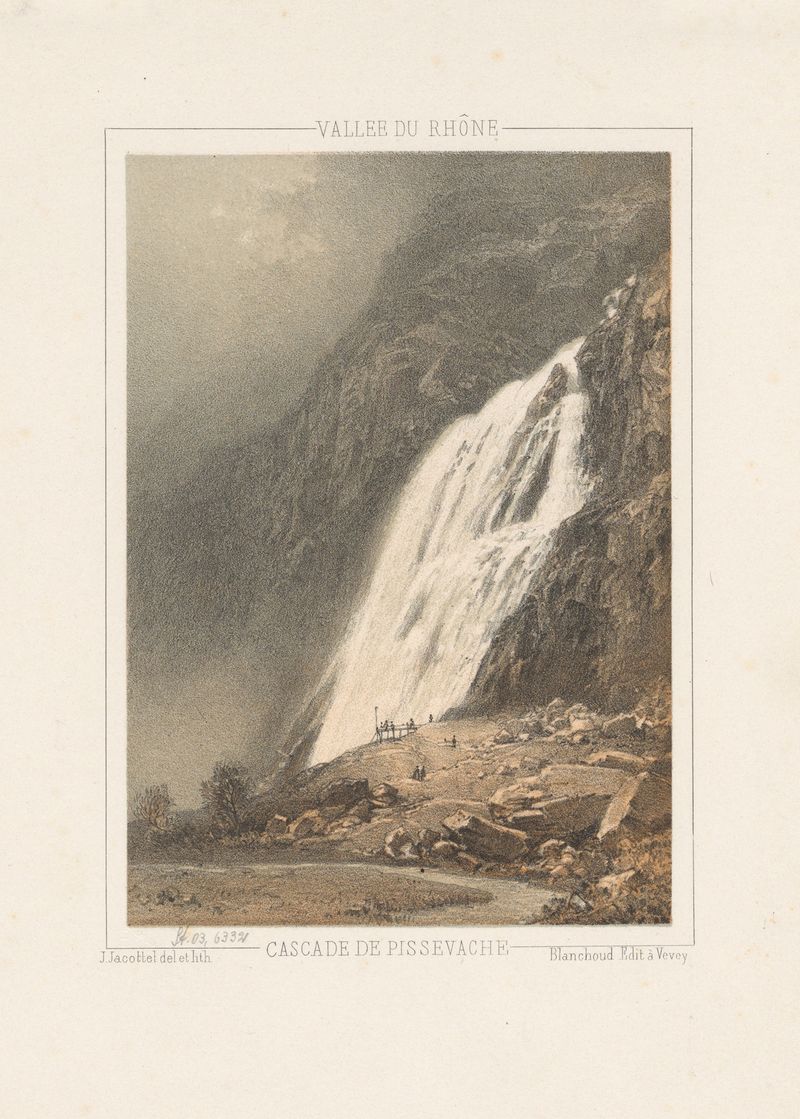
Cascade de Pissevache
Jean Jacottet
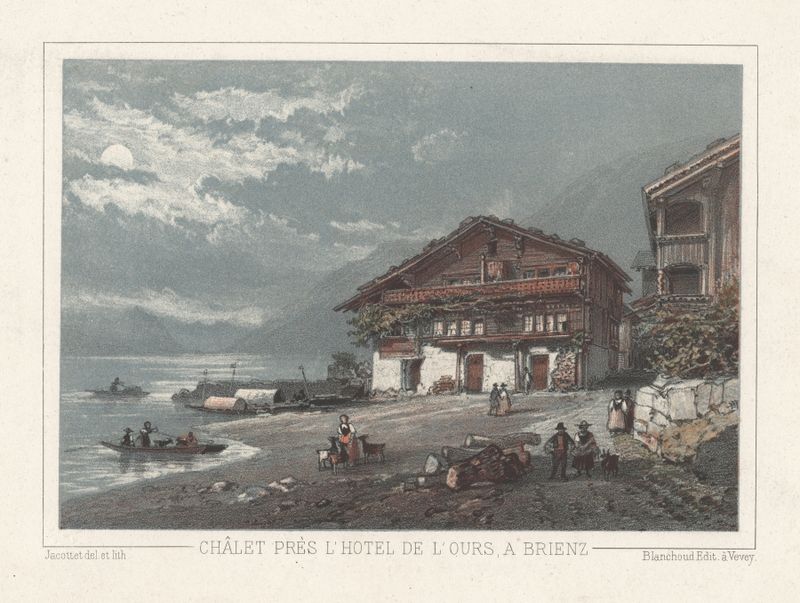
Châlet près l’Hotel de l’Ours, a Brienz
Jean Jacottet
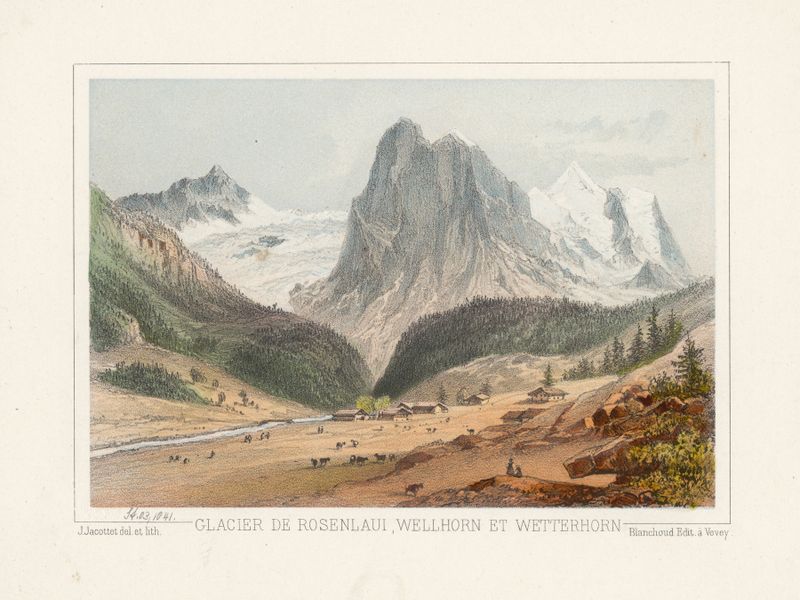
Glacier de Rosenlaui, Wellhorn et Wetterhorn
Jean Jacottet
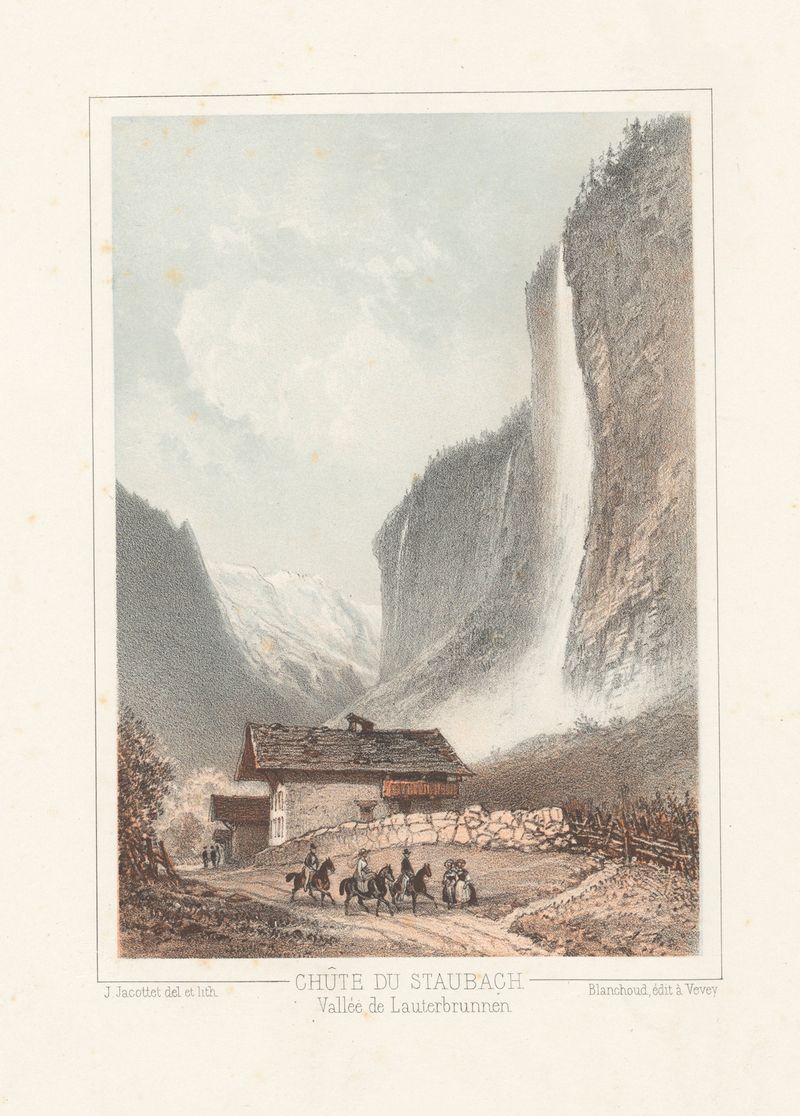
Chûte du Staubach Vallée de Lauterbrunnen
Jean Jacottet
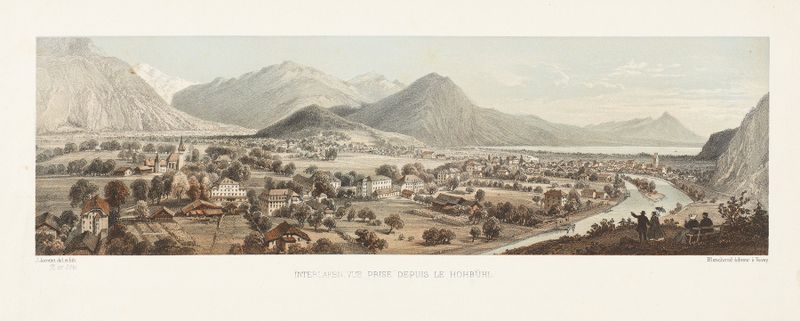
Interlaken, vue prise depuis le Hohbühl
Jean Jacottet
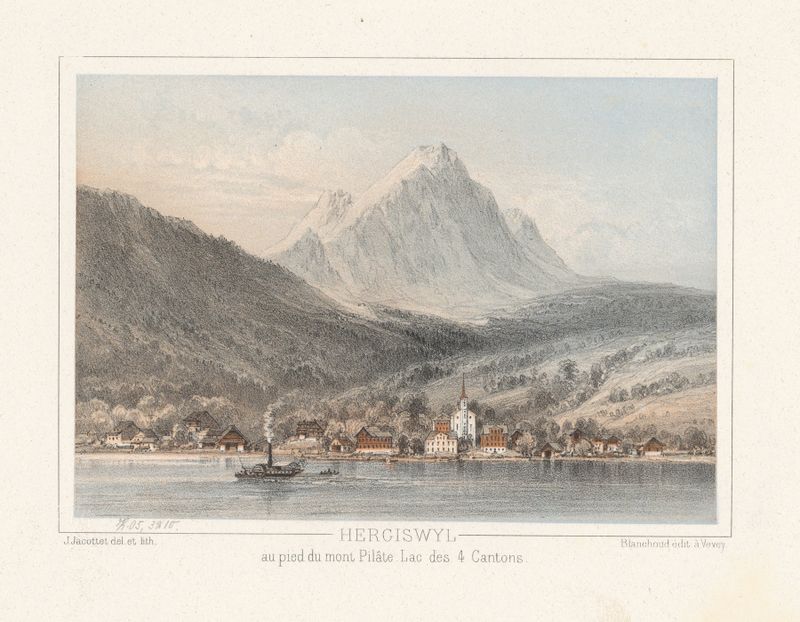
Hergiswyl au pied du mont Pilâte. Lac des 4 Cantons
Jean Jacottet





