Flood — History & Facts
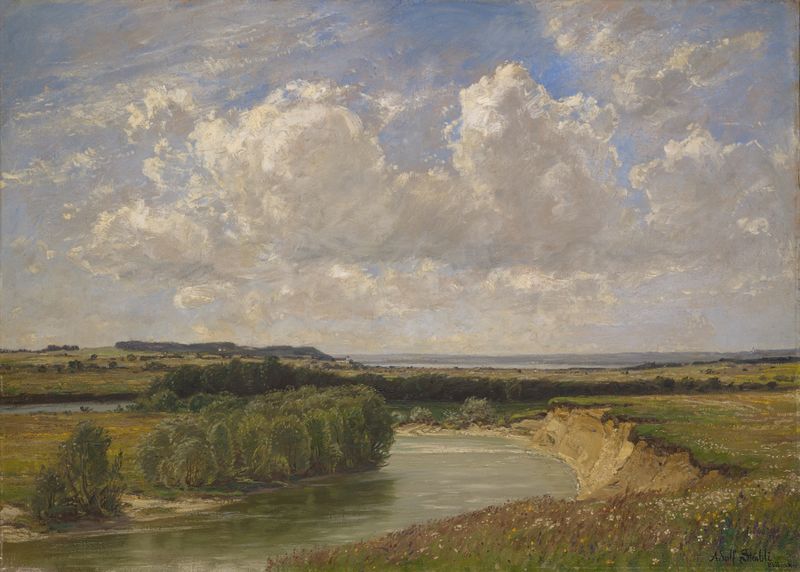
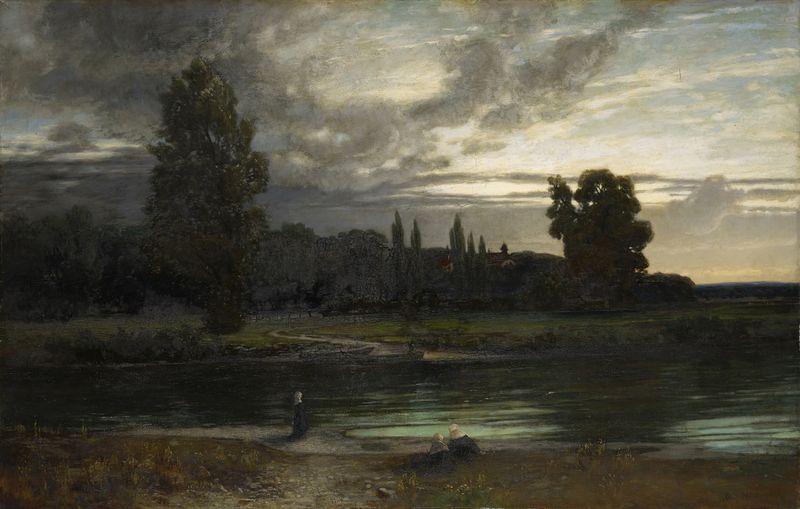
In the realm of illusion, the quiet can often reveal what words cannot. Flood captures a moment suspended in time, where reality bends beneath the weight of emotion and turmoil. Look to the center of the canvas, where the tumultuous waters swirl with an unsettling energy. The artist employs a dark palette infused with deep blues and grays, contrasting with fleeting hints of white to depict the chaos of the flood.
Notice how the brushstrokes convey motion, creating a sense of urgency that draws you into the scene as if you were standing on the precipice of disaster itself. The composition evokes an overwhelming potency—water rises, threatening stability, while the shadowy figures on the edges suggest the human fragility against nature's force. Diving deeper, the viewer can sense a tension between despair and resilience. The figures, lost in the chaos, embody a poignant struggle, yet their postures suggest determination amidst the overwhelming odds.
This contrast between vulnerability and tenacity invites contemplation on our relationship with nature and the illusions of control we often cling to. The flood is not merely a force of destruction; it symbolizes the inevitable truths we face, revealing the hidden depths of our own existence. Adolf Stäbli painted Flood in 1887 during a period marked by artistic exploration and the rise of realism. Living in Switzerland, he was influenced by the natural landscape around him, which often served as the backdrop for his works.
Amidst the growing movements challenging traditional conventions, Stäbli's focus on the interplay of light, shadow, and human emotion was both a personal endeavor and a reflection of the broader shifts occurring in the art world.