Florence From The Boboli Gardens — History & Facts
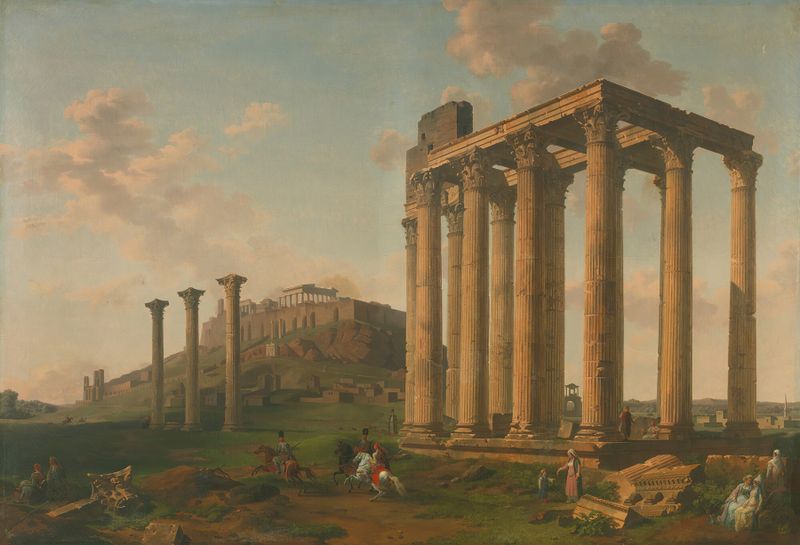
A warm breeze rustles through the leaves as the sun begins its descent, casting a golden glow over the vibrant landscape. Towering cypress trees stand sentry, framing the view of Florence, a city both radiant and daunting at dusk. In the distance, the silhouette of the dome rises, a symbol of both beauty and the weight of history, while shadows creep across the gardens, hinting at the untold stories lurking in the twilight. Look to the left, where the intricate patterns of the garden path draw your eye into the heart of the scene.
The careful arrangement of flowers, painted in hues of deep red and soft lavender, contrasts sharply with the rigid verticality of the cypress. Notice how the light dances on the gently rippling water feature, its surface mirroring the clouds above, creating a dialogue between the earth and the sky. The composition invites the viewer to wander, yet there is an underlying tension, as if the serene beauty conceals the fragility of existence. Beneath the surface of this picturesque landscape lies a trembling fear of loss and impermanence.
The vibrant blooms, so full of life, are at the mercy of the encroaching night, a reminder that beauty is fleeting. The merging of light and shadow not only highlights the splendor of Florence but also evokes a sense of unease, as if the city itself holds its breath, anxious about what the night may bring. Created during a period of artistic exploration, Florence From The Boboli Gardens reflects Lancelot-Théodore Turpin de Crissé's time in Italy in the early 19th century. This world was marked by a resurgence of interest in classical beauty and nature, yet it was also a time of political strife and personal change for the artist.
The serene landscape, painted amidst a backdrop of societal upheaval, contrasts the artist’s own life, laden with the weight of both aspiration and uncertainty.