Florida Village — History & Facts
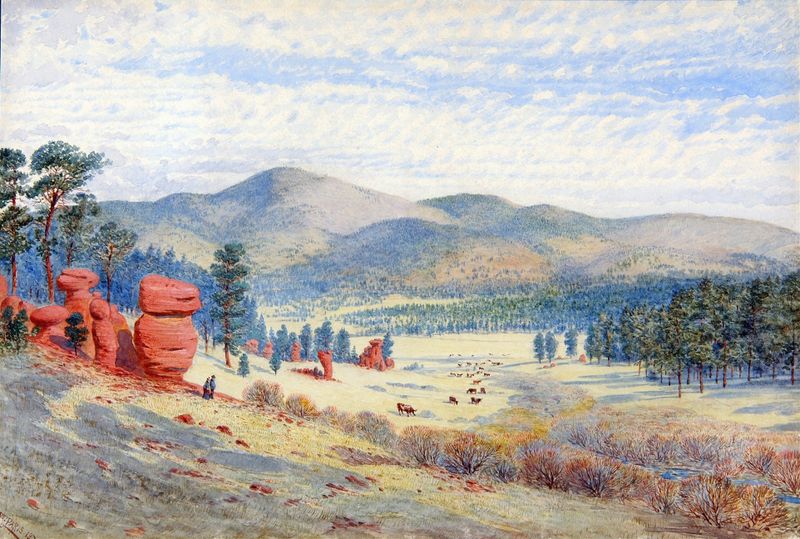
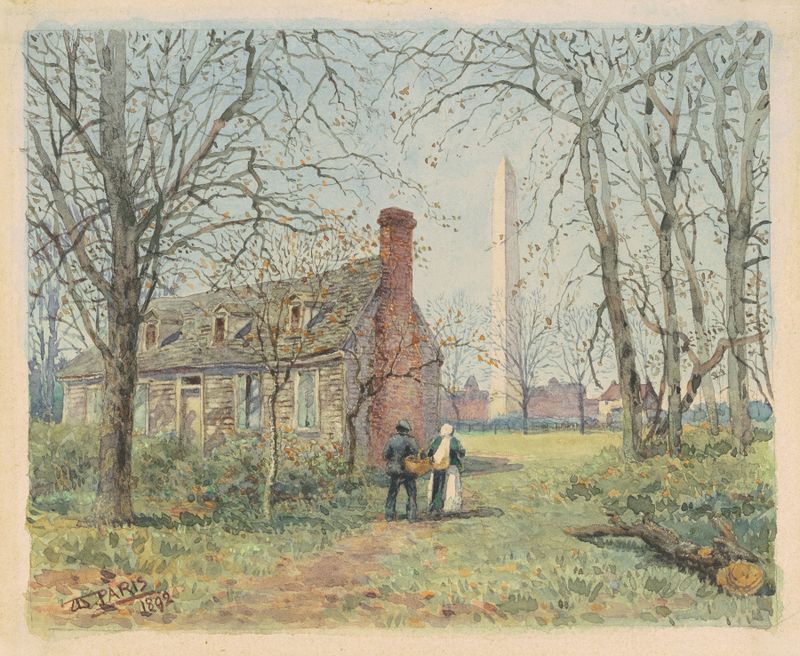
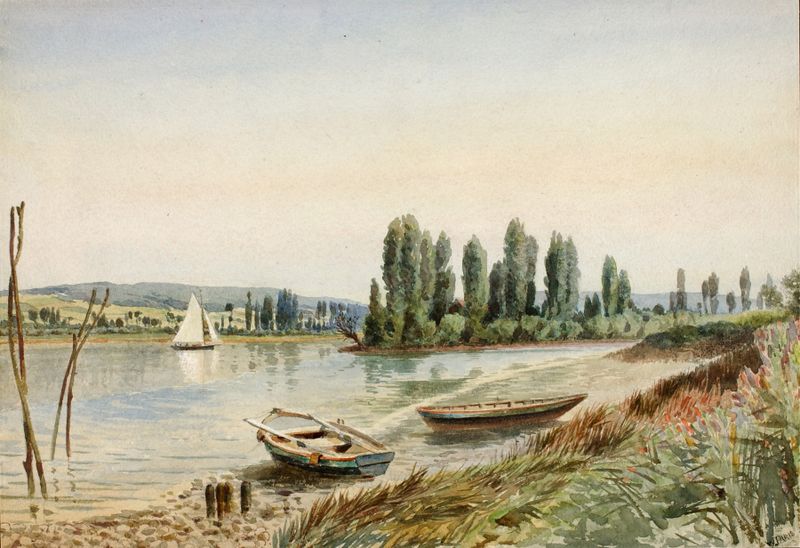
This sentiment resonates deeply within the quiet corners of life, where the ordinary becomes profound, and beauty often wears a shroud of melancholy. Focus first on the harmonious palette that captures the essence of a Florida village. Notice how soft pastels blend seamlessly, swirling between the greenery and the sky, inviting you into a serene yet haunting landscape. The delicate brushwork creates a gentle texture, allowing the viewer to traverse through the warmth of sunlight dappling the houses and trees, while shadows linger in the alleys.
Each stroke, intentional and tender, draws us closer to an atmosphere that is both vibrant and reflective. As you explore further, consider the juxtaposition of the lively colors against the stillness of the scene. There’s an air of nostalgia, as if time has paused, inviting contemplation. The simplicity of the architecture speaks of history, yet the unoccupied spaces between them evoke a sense of absence.
This tension between presence and absence encourages a deeper emotional exploration, prompting reflections on community, isolation, and the passage of time. Walter Paris created Florida Village during a period when he sought to capture the subtleties of everyday life, devoid of frills and extravagance. His work emerged in an era marked by a desire for authenticity, where artists were beginning to turn their focus towards the simplicity of rural existence. In this tranquil setting, the artist not only painted a village but also a moment in time, encapsulating the essence of life as it ebbed and flowed with quiet dignity.