Flowers of All Seasons — History & Facts
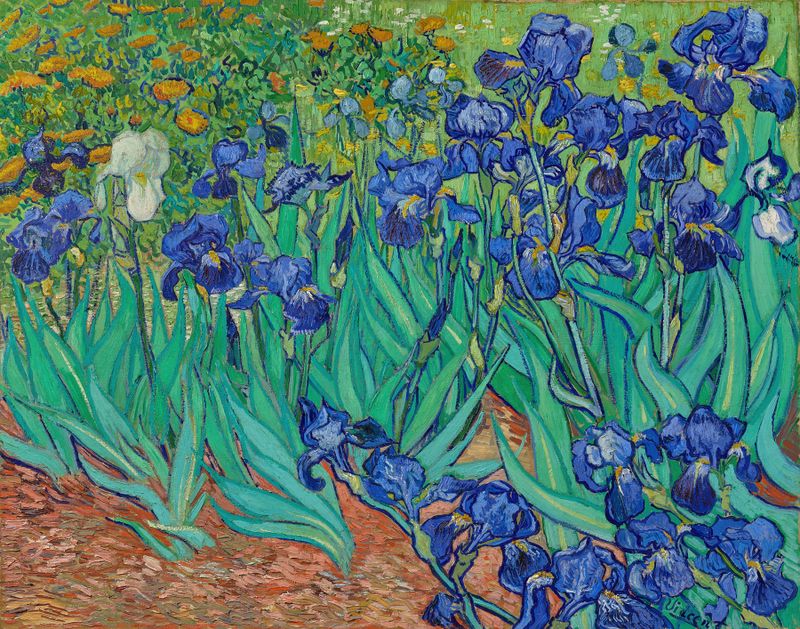
What if silence could speak through light? In Flowers of All Seasons, the vibrant blooms whisper the quiet beauty of life, evoking a profound awakening within the viewer. Focus your gaze on the delicate petals, each a burst of color that draws you into a world where nature thrives unabated. Observe how the artist masterfully layers shades, using the subtle interplay of ink and pigment to create depth and movement. The composition flows gracefully, inviting your eyes to dance across the canvas, as if the flowers themselves might sway in a gentle breeze. The juxtaposition of blooming flowers against an ethereal background suggests the transient nature of beauty and time.
Each blossom, rendered meticulously, symbolizes the changing seasons, while their harmonious arrangement speaks to the continuity of life. This artwork transcends mere representation; it encapsulates the essence of renewal and the cyclical rhythms that govern existence. During the mid-17th century, Japan was experiencing the peaceful and vibrant Edo period, marked by a flourishing of the arts and culture. Amid this backdrop, artists sought to capture the fleeting beauty of nature in innovative ways.
The creation of Flowers of All Seasons reflects not only the skill of its creator but also a collective yearning for connection with the natural world, showcasing a pivotal moment in Japan's artistic evolution.