
Flusslandschaft — History & Facts
When did color learn to lie? The vibrant hues of nature often mask the quiet truths that lie beneath its surface, whispering of mortality and the passage of time. Look to the left at the lush greens that cradle a serene riverbank, inviting your gaze to wander along the water's reflective, undulating surface. Notice how the artist employs soft brushstrokes to blend the colors seamlessly, crafting a sense of harmony between land and water. The diffused light dances across the scene, illuminating the delicate yellows and blues that create a tranquil yet fleeting moment—one that feels both alive and ephemeral. This landscape embodies contrasts that provoke deeper contemplation.
The bright palette suggests vitality, yet the stillness of the water hints at stasis, mirroring life's temporary nature. Small details, like the faint ripples in the water and the distant trees swaying gently, evoke a tension between movement and stillness, creating a poignant reminder of the inevitable passage of time and the fragility of existence. Alfred Zoff created Flusslandschaft during a period when Romanticism was giving way to Modernism, influencing the artists of his time. Working in the early 20th century, Zoff was situated in a world grappling with rapid societal changes and technological advancements that challenged traditional perceptions of nature.
This painting reflects his deep connection to the landscape and a meditative response to the shifting tides of life, revealing a timeless beauty amidst the uncertainties that surround us.
More Artworks by Alfred Zoff
Browse all →
Chioggia
Alfred Zoff

Riviera, Breaking Waves in Boccadasse
Alfred Zoff

Camaret. Küste bei Brest
Alfred Zoff
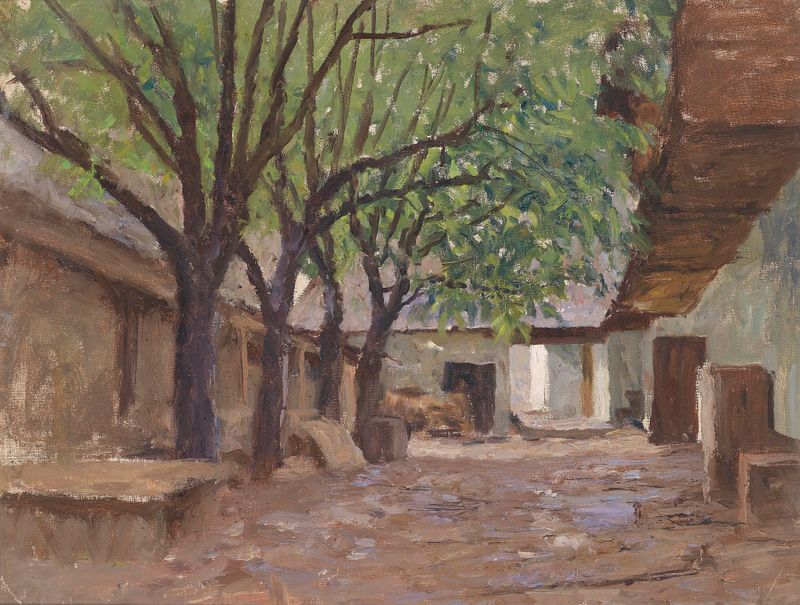
Bauernhäuser bei Klagenfurt
Alfred Zoff

Felsige Küstenpartie
Alfred Zoff

Ländliche Idylle
Alfred Zoff
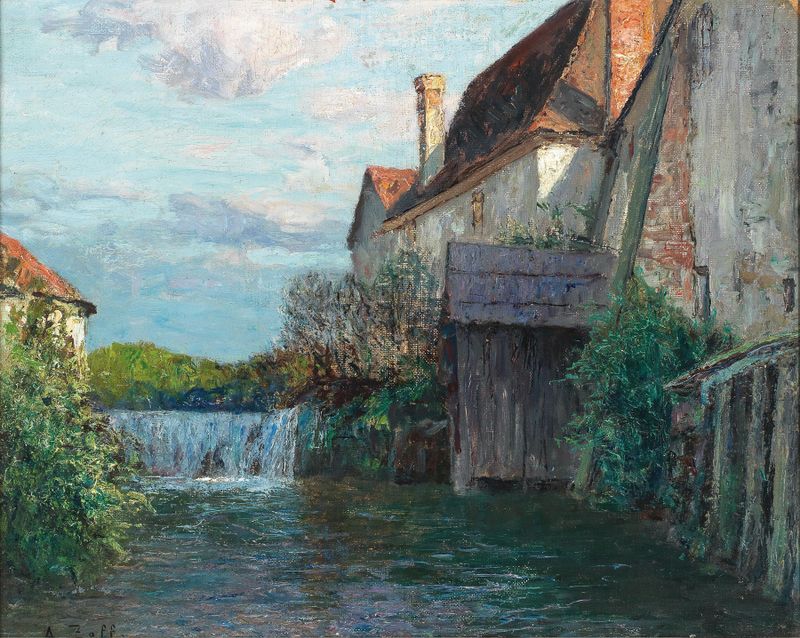
Motiv aus einem steirischen Eisenwerk
Alfred Zoff

Abendstimmung
Alfred Zoff
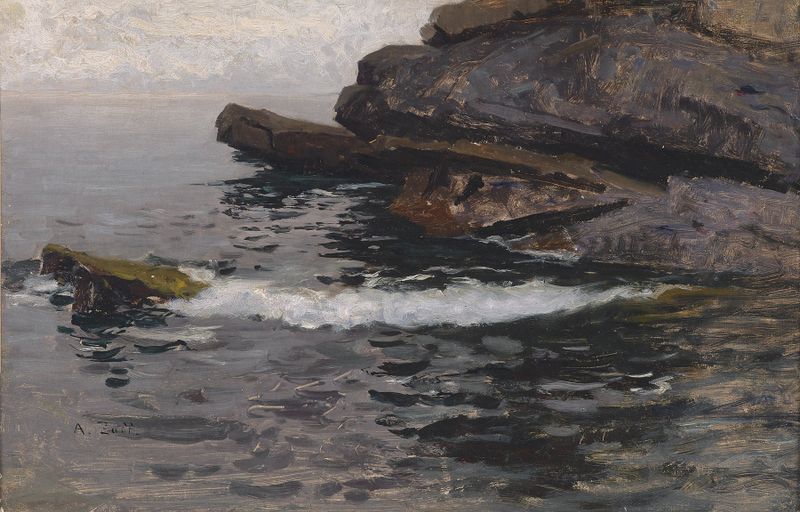
Felsküste bei Capo Lungo
Alfred Zoff

Fischerboote zur Zeit der Ebbe
Alfred Zoff





