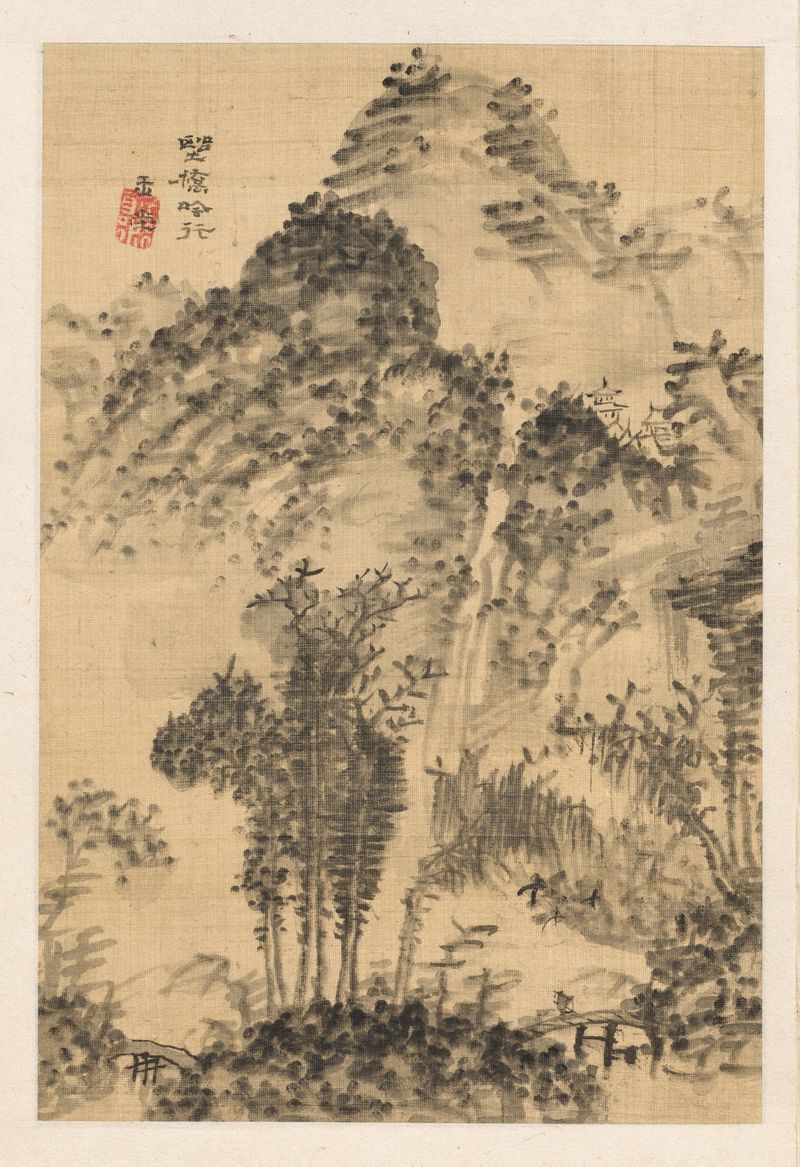
Forbidden to the Vulgar — History & Facts
When did color learn to lie? In a world where hues dance with truth and deception, the boundaries of perception blur, revealing layers unseen. The vibrant strokes awaken a longing for transcendence, beckoning us to confront our own realities through the lens of art. Look closely at the graceful curves of the figures, their delicate features harmonizing with the swirling patterns of the background. Notice how the rich palette of indigos and golds envelops the figures, imbuing them with a sense of divine presence.
The careful arrangement of elements draws your gaze toward the center, where the tension between the ethereal and the earthly unfolds beneath the artist’s deft hand. The juxtaposition of the serene expressions with the dynamic flow of the composition speaks to the duality of existence, a reminder of the struggle between the sacred and the mundane. Each brushstroke whispers stories of longing and aspiration, capturing a moment where the viewer is invited to transcend the ordinary. The ethereal quality of the work hints at deeper spiritual themes, urging reflection on what lies beyond the visible, resonating with universal questions of the human experience. Uragami Gyokudō created Forbidden to the Vulgar during a transformative period in Japan, roughly between the late 1800s and early 1900s.
This era marked the Meiji Restoration, a time when traditional art forms met Western influences and modernization. Gyokudō, deeply rooted in Japanese aesthetics, sought to elevate the art of Nihonga while navigating these changes, striving to express a deeper spiritual ethos through his unique blend of techniques and sensibilities.