Wild Bridge, Poet’s Walk — History & Facts
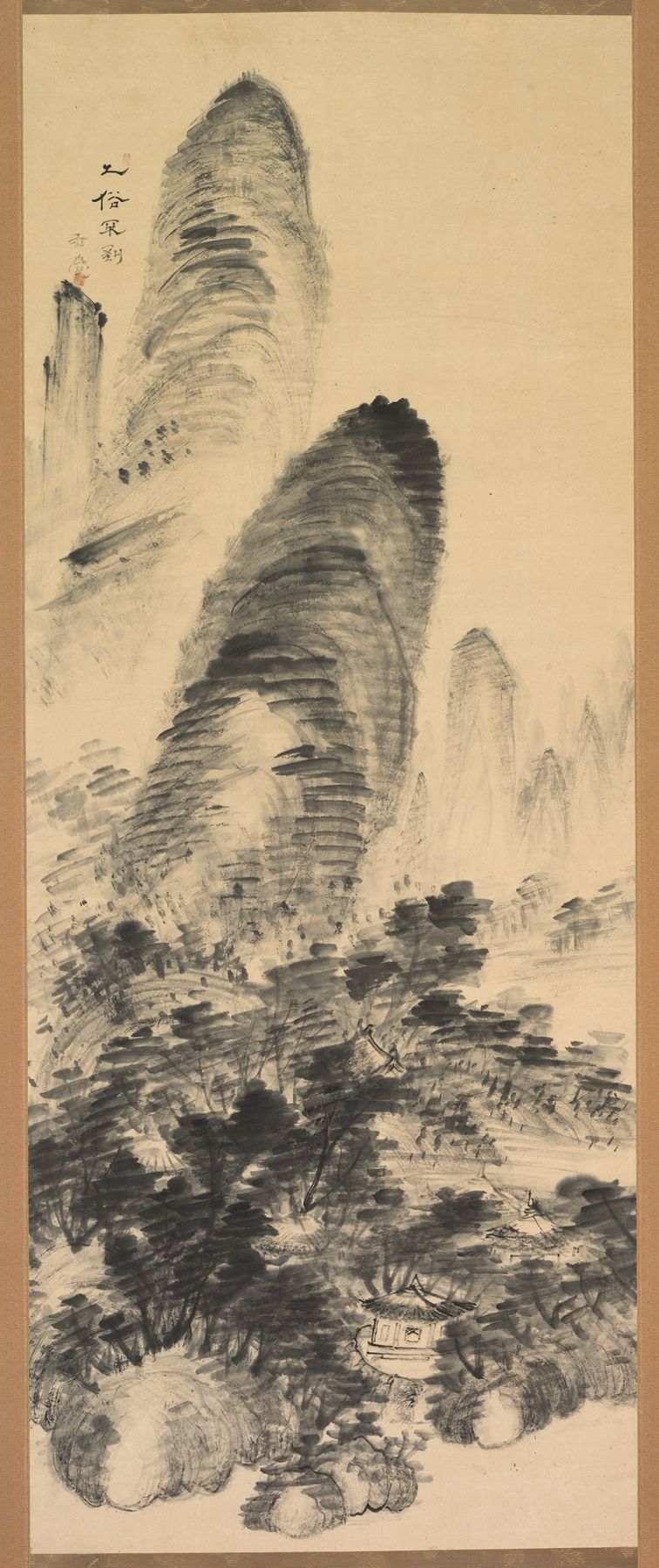
What secret hides in the quiet of the canvas? In the delicate strokes of Wild Bridge, Poet’s Walk, serenity transcends time, inviting the viewer into a tranquil world where nature whispers stories untold. Look to the center of the composition, where a gracefully arching bridge, adorned with soft brushwork, spans a serene waterway. The gentle curves of the bridge lead the eye into a lush landscape, where verdant trees stand sentinel, their leaves kissed by the tender light of a fading day. Notice how the subtle palette of greens and blues blends seamlessly, evoking a sense of harmony with the tranquil waters reflecting the sky's soft hues.
Each stroke conveys a meditative quality, encouraging the viewer to pause and reflect. Yet, beneath the calm façade lies an intricate tapestry of contrasts. The bridge, symbolizing connection, invites contemplation on the fleeting nature of moments we hold dear. The still waters, while appearing peaceful, suggest the depth of emotions and thoughts that often run beneath the surface.
The distant mountains, shrouded in mist, hint at the unknown, a space where the mind can wander freely, and the spirit can find solace in uncertainty. In the late 1700s to early 1800s, Uragami Gyokudō painted this piece during a time of personal reflection, as he sought to capture the essence of the natural world in an increasingly industrialized society. Living in Japan’s Edo period, he contributed to a movement that emphasized simplicity and tranquility, working at a moment when traditional art forms were profoundly influenced by Zen philosophy. Through this work, he not only celebrated the beauty of his surroundings but also provided a sanctuary for the viewer's spirit to roam.