
Forest Fire — History & Facts
This poignant reflection encapsulates the essence of nature's duality, where vibrant hues can mask underlying despair, revealing profound truths in the chaos of existence. Look to the center of the canvas, where crimson flames leap energetically against a backdrop of charred earth and smoke. The artist employs a striking palette of reds and oranges, contrasting sharply with the somber browns and grays, skillfully drawing the viewer’s eye. Pay attention to the delicate brushwork that captures the flickering energy of the fire, creating a sense of movement that feels almost alive.
Light dances across the scene, illuminating pockets of vegetation, while shadows loom ominously, allowing the composition to pulsate with tension. The juxtaposition of beauty and destruction is palpable—each brushstroke an exploration of transience and resilience. The fire, while ferocious, also illuminates the life that surrounds it, suggesting a cycle of renewal that emerges from devastation. Notice the remnants of green foliage on the edges, hinting at nature's persistent will to survive amid catastrophe.
This tension between destruction and hope speaks to universal themes of loss and rebirth, resonating deeply within the human experience. Created between 1870 and 1880 during a time of significant artistic transition in America, this piece reflects the American School's embrace of realism and the Romantic spirit. The artist, influenced by the rise of environmental awareness and the sublime in nature, captured the tumultuous relationship between humanity and the natural world. As the country grappled with rapid industrialization, this artwork serves as a reminder of nature's raw power and beauty, inviting viewers to reflect on their own connection to these elemental forces.
More Artworks by American School
Browse all →
Mt. Washington
American School
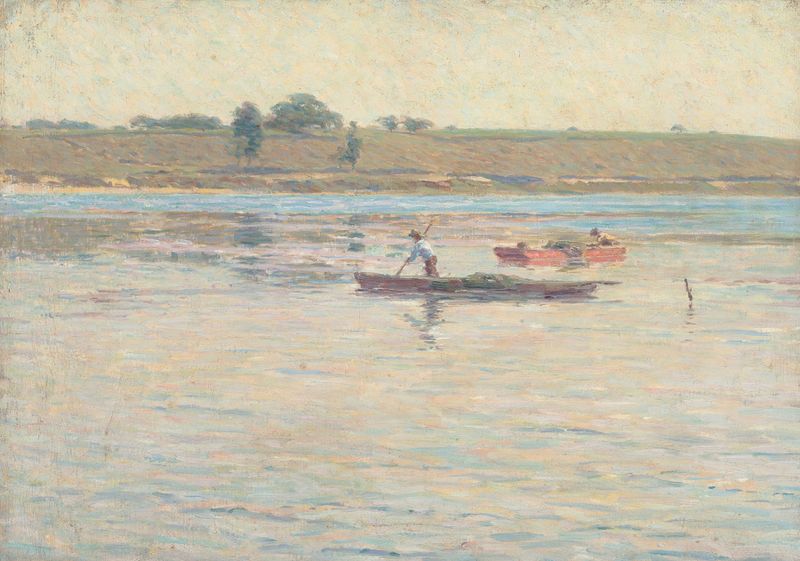
Landscape with Fishermen
American School
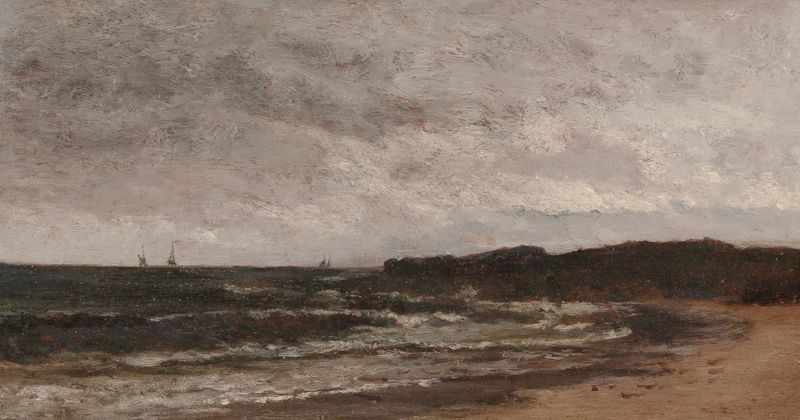
Singing Beach, Manchester, Massachusetts
American School
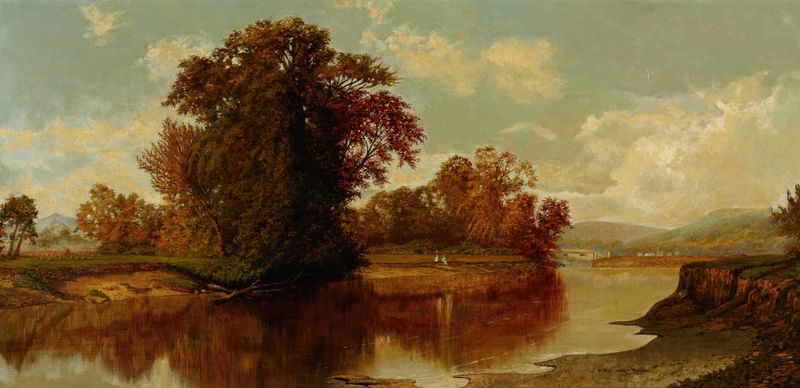
River Vista with Covered Bridge
American School
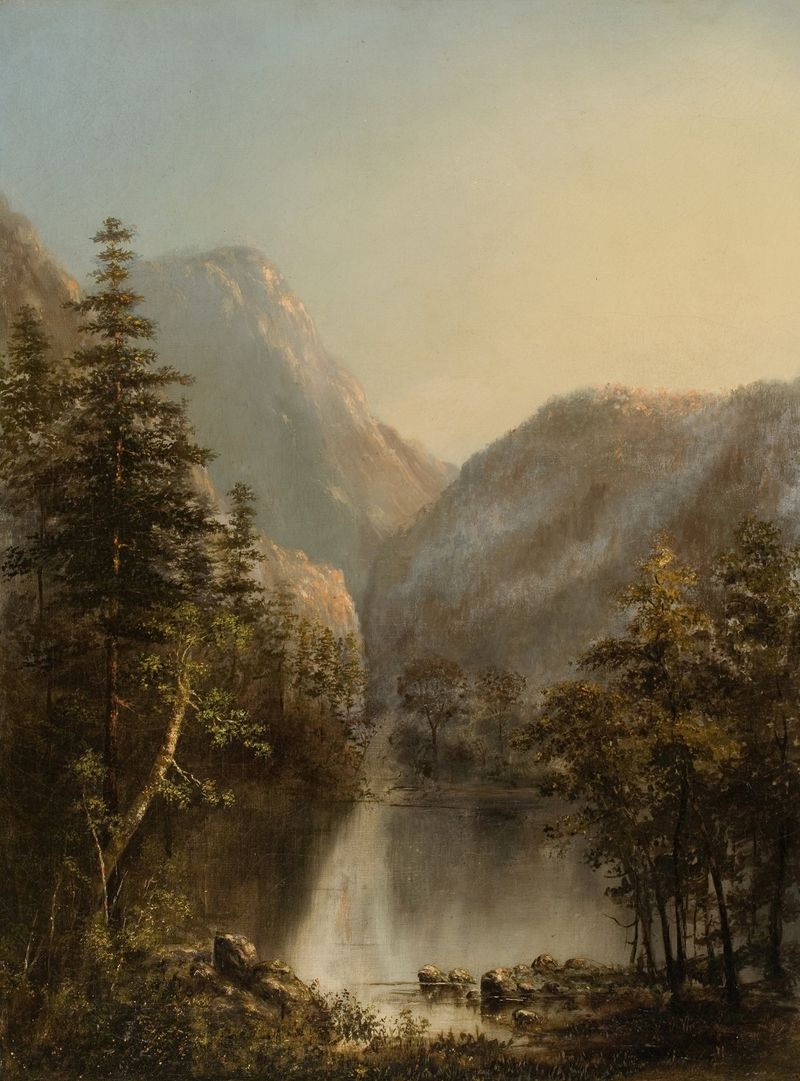
A Lake in the Mountains
American School

Falls of the Mississippi
American School
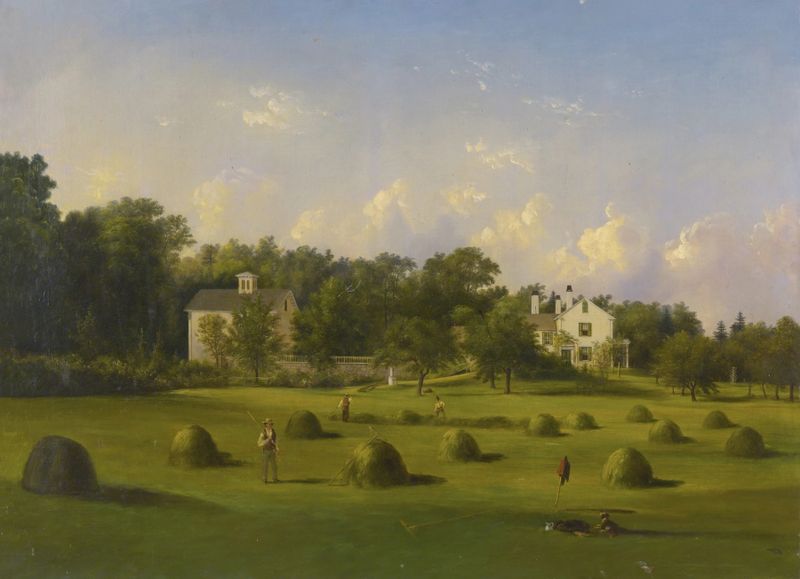
Harvesting Hay In Summer
American School

Seascape with Crashing Surf
American School
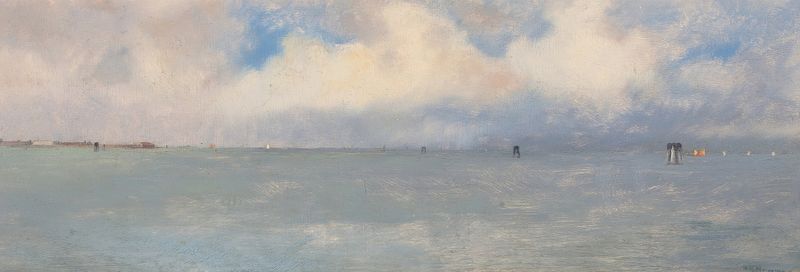
Coastal View from the Bay
American School

Cabin by a River
American School





