
Singing Beach, Manchester, Massachusetts — History & Facts
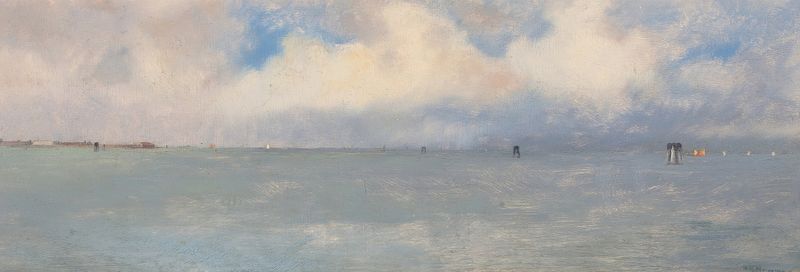
In this stillness, one can sense the longing for connection, as if the tide itself wishes to speak. Look to the foreground, where the gentle sweep of golden sands gracefully curves into rolling waves, drawing you towards the horizon. The soft hues of azure and cream blend seamlessly, captured with a delicate brushstroke that depicts both water and sky in a harmonious dance. The play of light creates an ethereal quality, illuminating the shallow waters, while a few figures linger in the distance, their presence hinting at shared moments of joy and contemplation. Beneath the tranquil surface lies a tension of obsession with nature's fleeting beauty.
The juxtaposition of the stillness of the beach against the relentless movement of the ocean suggests a deeper reflection on time and memory. Each ripple in the water seems to echo the laughter and whispers of those who have walked this shore, reminding us of what is lost and cherished. The composition envelops the viewer, inviting an exploration of both the external landscape and the inner emotional landscape of the human experience. In 1882, an American artist painted this evocative scene during a period of burgeoning national identity and artistic exploration.
While the world was grappling with the implications of industrialization, this work emerged from a desire to capture the tranquil beauty of the American experience. The artist drew inspiration from the coastal landscapes familiar to them, marking a moment of reflection amid the changing tides of society and art.
More Artworks by American School
Browse all →
Mt. Washington
American School
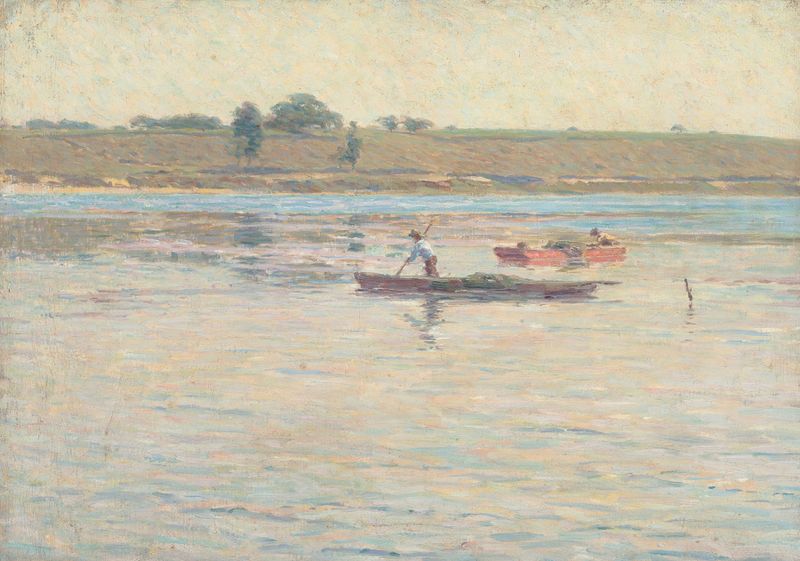
Landscape with Fishermen
American School
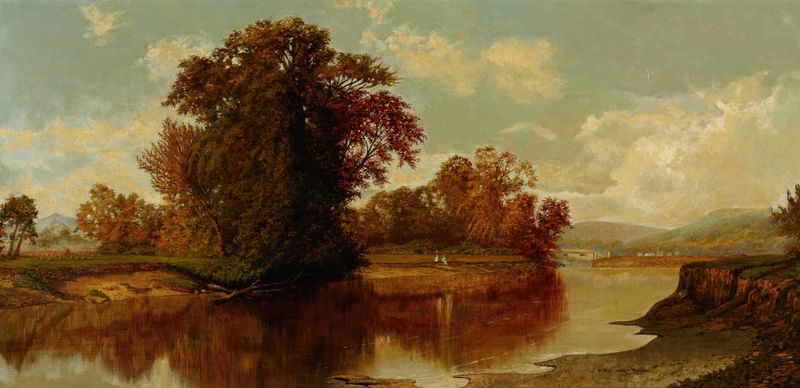
River Vista with Covered Bridge
American School
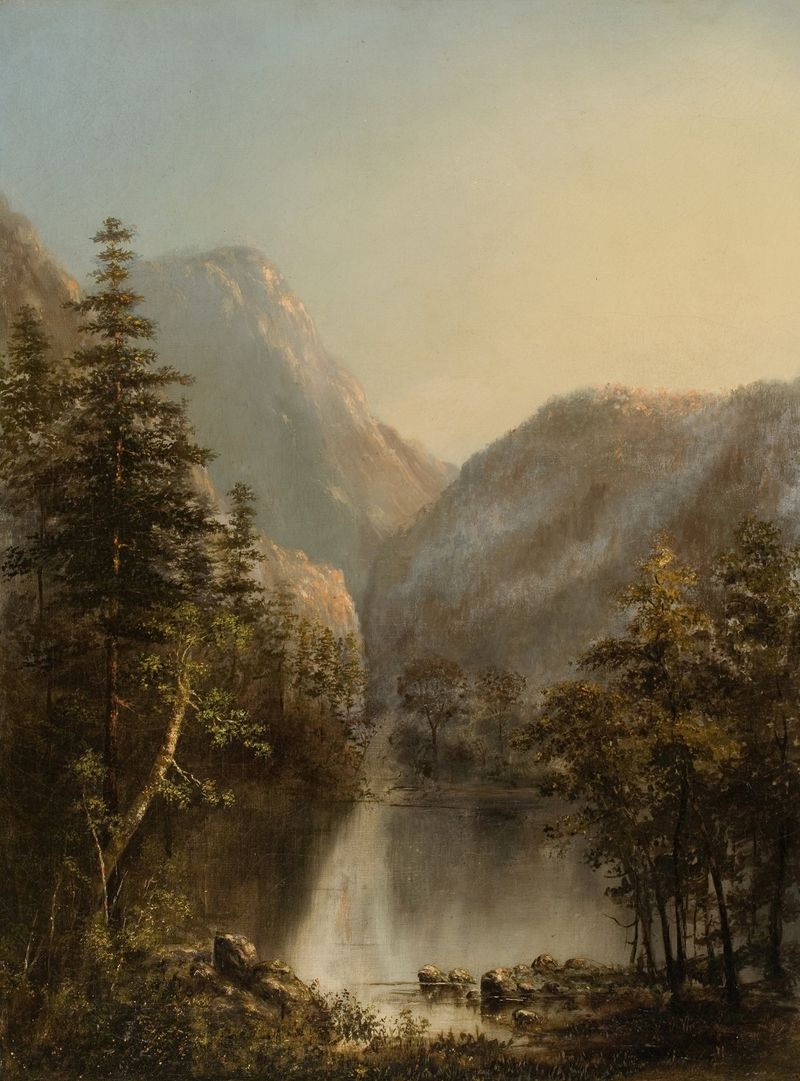
A Lake in the Mountains
American School

Falls of the Mississippi
American School
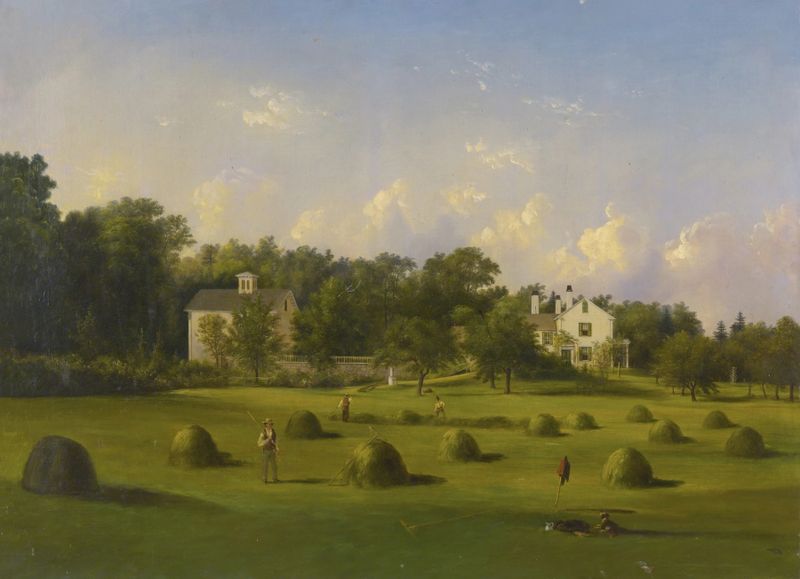
Harvesting Hay In Summer
American School

Forest Fire
American School

Seascape with Crashing Surf
American School
Coastal View from the Bay
American School

Cabin by a River
American School





