
Forest with Tree Trunk (L’jsle) — History & Facts
In the quiet embrace of nature, Forest with Tree Trunk seizes the ethereal ecstasy of solitude, inviting viewers to reflect on their own inner worlds. Focus first on the sturdy tree trunk that dominates the foreground, its textured bark intricately rendered with a myriad of browns and greens. Notice how Diday’s brushwork distinguishes the rugged surface from the delicate, dappled leaves overhead, allowing light to filter through with a soft luminescence. The lush background, a symphony of verdant hues, creates a serene contrast to the solidity of the trunk, guiding the eye toward the interplay of shadow and sunlight that dances across the scene. Delve deeper into the emotional undercurrents present in this piece.
The tree trunk, a symbol of endurance, stands resilient against the ephemeral nature of its surroundings, evoking themes of strength and transience. The interplay of light and dark not only highlights the beauty of nature but also suggests a duality of existence—joy intertwined with sorrow, life amidst decay. This tension encapsulates a universal longing for connection to the natural world, hinting at the ecstasy found in stillness. Created in 1833, this artwork emerged during a period when François Diday was deeply engaged in depicting the beauty of the Swiss landscape.
Living in Geneva, he found inspiration in the interplay of light and nature, contributing to the Romantic movement that celebrated the sublime in art. At this time, the world was grappling with industrialization, making the tranquility of nature all the more precious and profound.
More Artworks by François Diday
Browse all →
Der Montblanc im Alpenglühen
François Diday
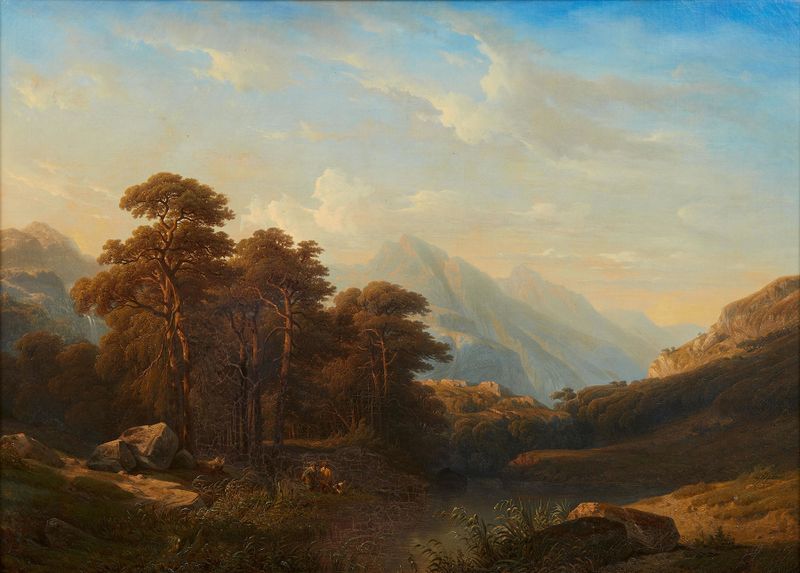
Weite Schweizer Alpenlandschaft mit ruhigem Gewässer im Vordergrund
François Diday
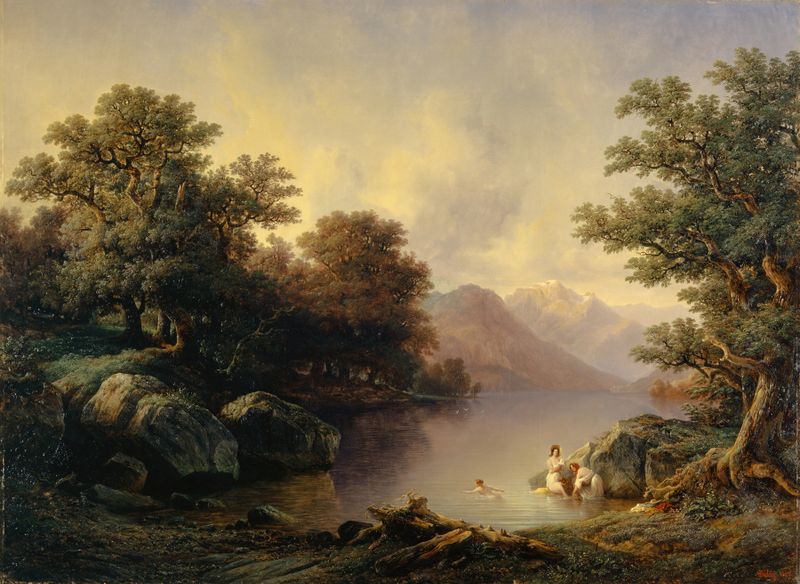
By the Lake of Brienz (The Bathers)
François Diday

Figures With Montains
François Diday

Lowlands With Lake Geneva
François Diday

The Storm
François Diday
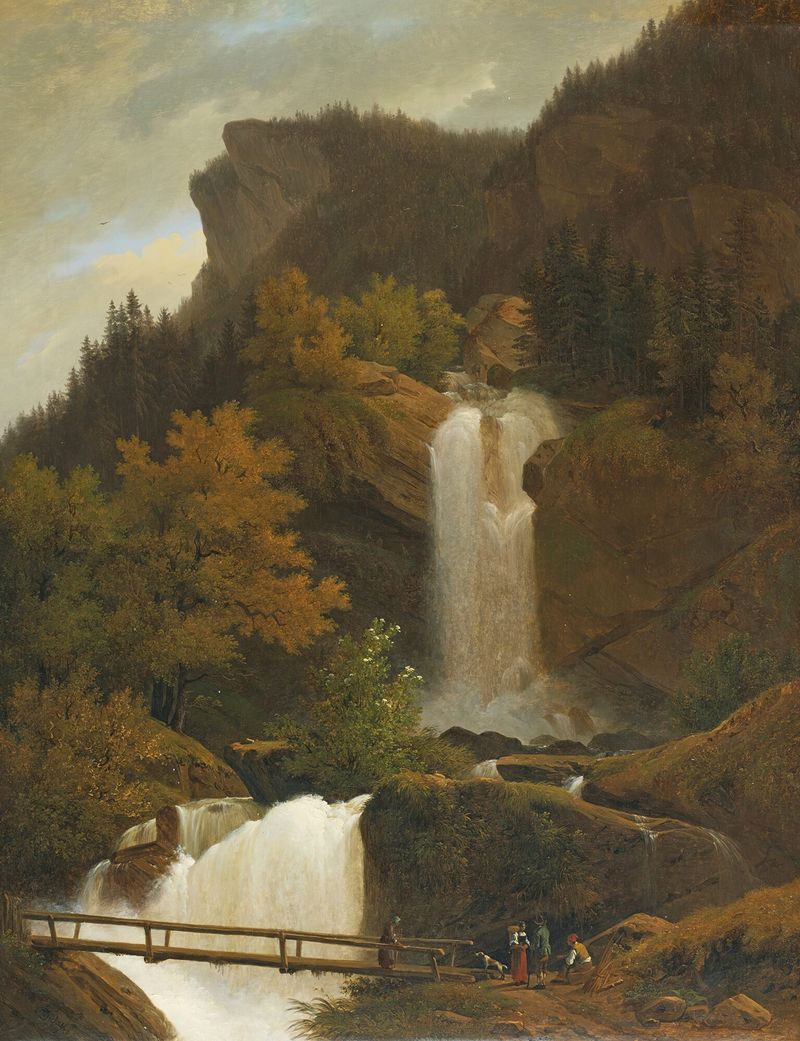
The Waterfall Of Wandel, Near Brienz
François Diday





