
The Storm — History & Facts
Can beauty exist without sorrow? In The Storm, François Diday masterfully entwines the essence of nature's ferocity with the fragility of human emotion, inviting viewers to confront the complexity of loss. Look to the foreground where dark, tumultuous waves crash against jagged cliffs, their foamy edges illuminated by fragmented light. The sky, a swirling mass of deep grays and hints of ocher, hangs ominously above, casting shadows that dance across the tumult below. Notice how Diday balances the feral energy of the storm with the stillness of distant peaks, creating a striking contrast that draws the eye upward, suggesting both danger and the solace of distant hope. Beneath the chaos, the artist imbues this scene with a profound sense of solitude.
The tension between the wild sea and the tranquil mountains hints at a deeper emotional landscape—grief mingled with resilience. The viewer can sense the weight of loss in the swirling atmosphere, accentuated by the absence of human presence, which evokes feelings of loneliness amidst nature’s raw power. This interplay of elements captures the bittersweet beauty of life, where sorrow is an inescapable companion to awe. Diday painted The Storm in 1838, during a period of personal and professional transition.
Living in Geneva, he was influenced by the Romantic movement, which emphasized the sublime forces of nature and emotional depth. This work exemplifies both his expert handling of light and shadow, and his ability to evoke deep emotional responses, reflecting the tumultuous currents of his time.
More Artworks by François Diday
Browse all →
Der Montblanc im Alpenglühen
François Diday
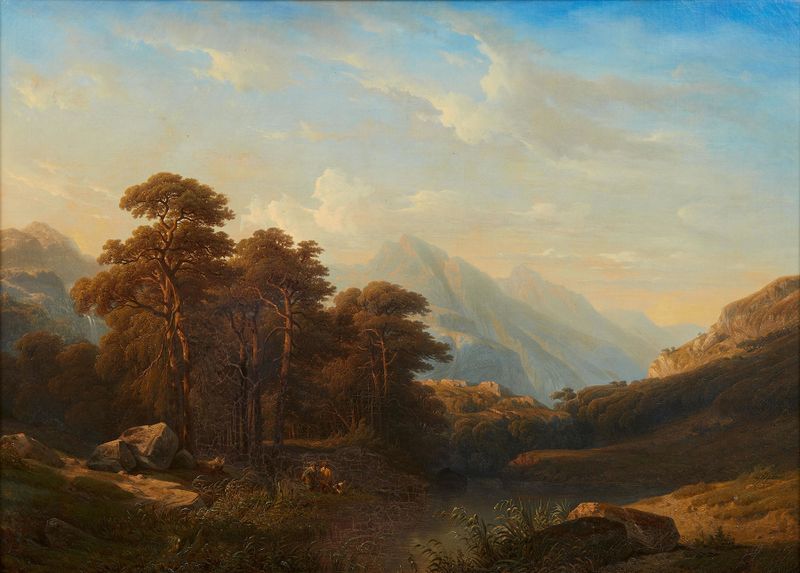
Weite Schweizer Alpenlandschaft mit ruhigem Gewässer im Vordergrund
François Diday
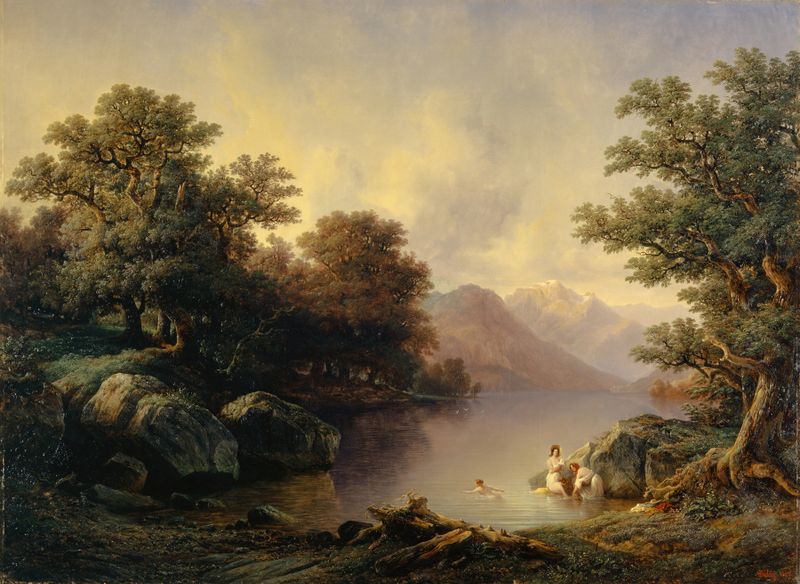
By the Lake of Brienz (The Bathers)
François Diday

Figures With Montains
François Diday

Forest with Tree Trunk (L’jsle)
François Diday

Lowlands With Lake Geneva
François Diday
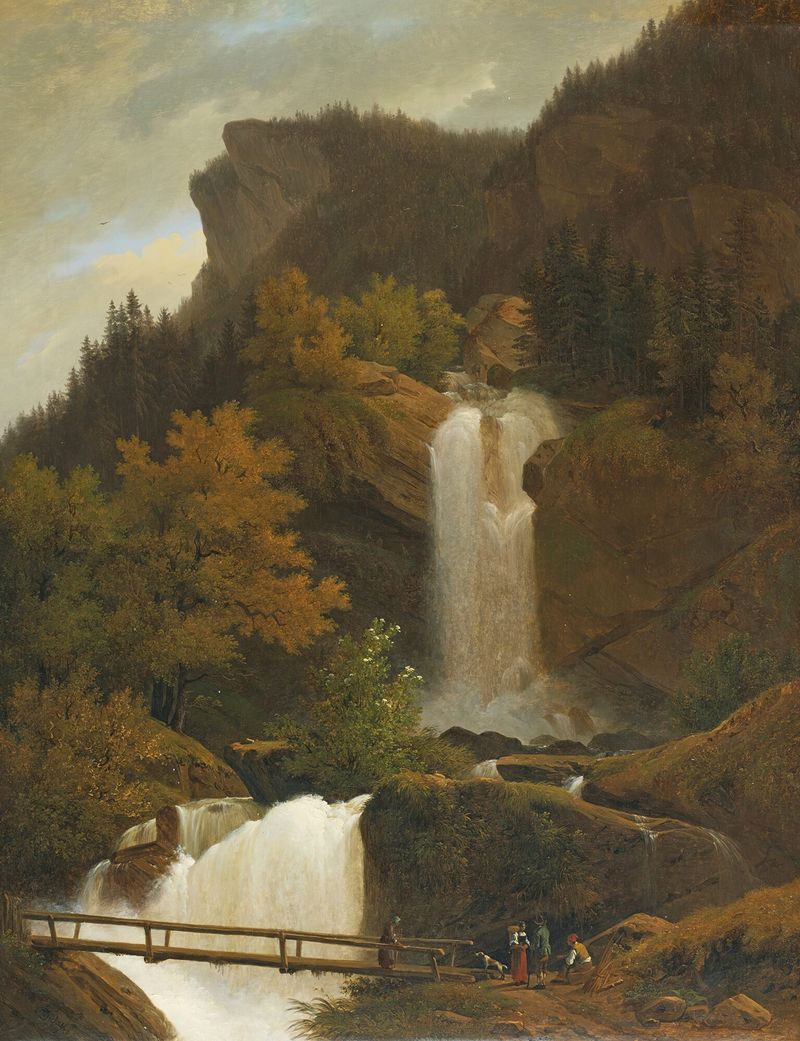
The Waterfall Of Wandel, Near Brienz
François Diday





