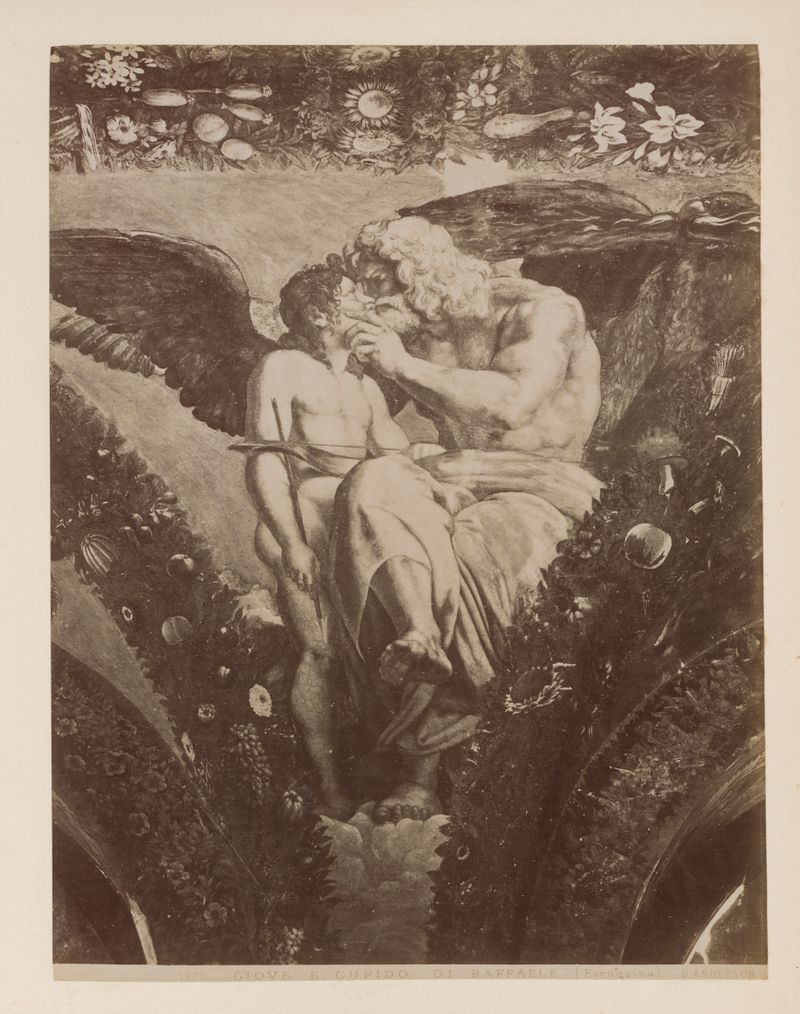
Fotoreproductie van fresco Venus en Jupiter door Rafaël in het Farnesina te Rome — History & Facts
Where does light end, and longing begin? In the delicate interplay of shadow and illumination, we find the threshold of desire and reverence, encapsulated in the essence of beauty itself. Focus on the upper left corner of the composition, where the brilliant reds and golds of the fresco breathe life into the figures of Venus and Jupiter. Anderson's meticulous reproduction captures every nuance of the original, drawing our gaze to the soft drapery that envelops Venus, her form exuding both grace and allure. Notice the gentle modulation of light across the celestial scene, as it bathes the figures in a divine glow, conveying an ethereal quality that suggests a world beyond mere mortal perception. The emotional tension within this artwork lies in the juxtaposition between the intimate expressions of the deities and their larger-than-life surroundings.
Venus embodies sensuality and tenderness, while Jupiter remains a figure of power and authority, casting a protective aura over her. This contrast invites contemplation on the complexities of love and dominance, suggesting that vulnerability and strength coexist in a delicate balance. Subtle details, such as the gestures of their hands and the gaze exchanged, evoke a narrative of longing that transcends the physical realm. Domenico Anderson painted this work during the late 19th century, a period marked by a growing interest in classical themes and the revival of Renaissance techniques.
Working in Italy, he sought to pay homage to the great masters of the past, particularly Raphael, who created the original fresco in the Farnesina during the early 16th century. As Anderson meticulously reproduced this celestial moment, he positioned himself within a broader movement that celebrated the historical richness of the arts, capturing both admiration and awe for the canon of art history.
More Artworks by Domenico Anderson
Browse all →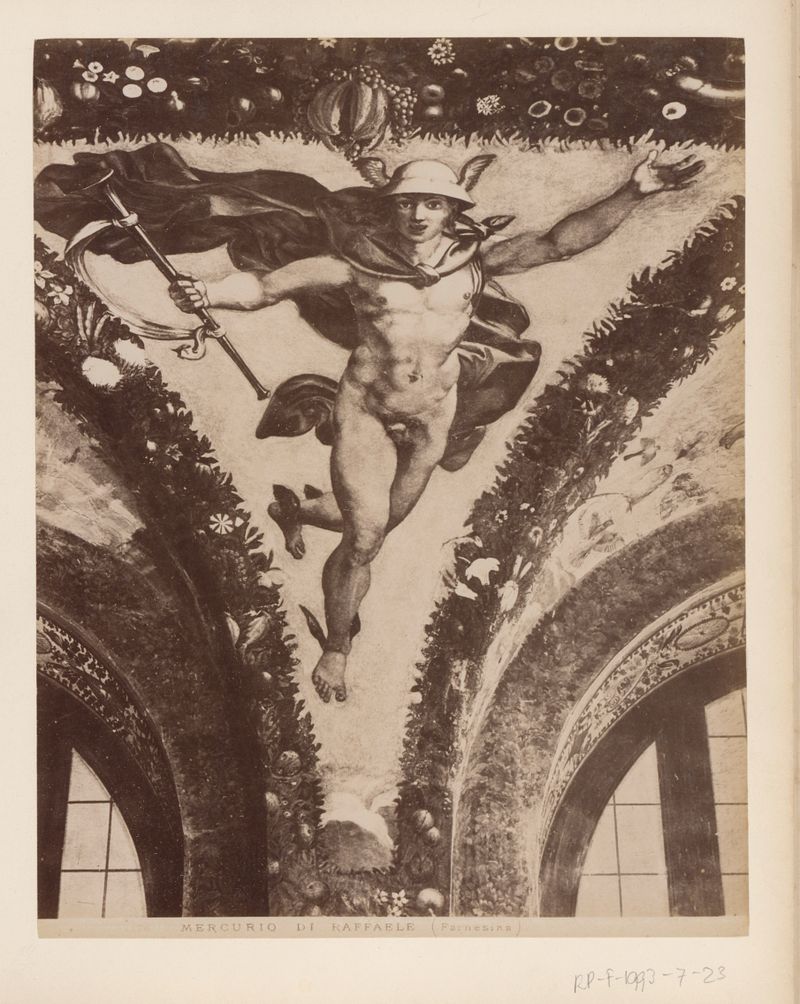
Fotoreproductie van fresco Mercurius door Rafaël in het Farnesina te Rome
Domenico Anderson
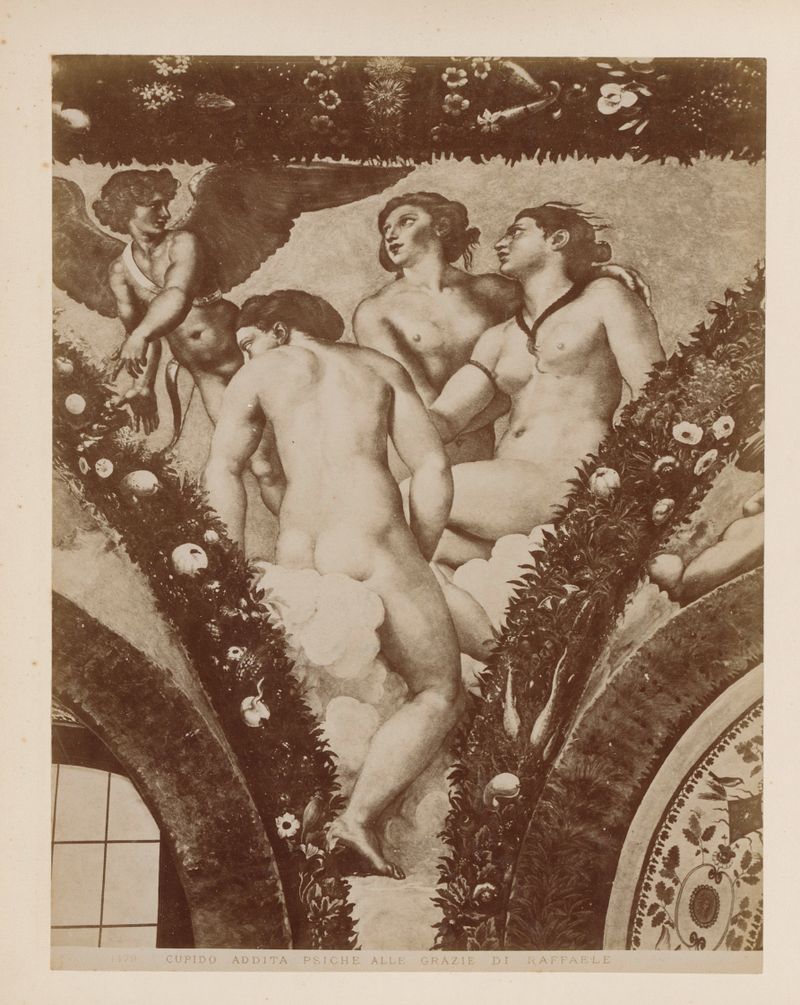
Fotoreproductie van fresco Cupido toont Psyche aan de Gratiën door Rafaël in het Farnesina te Rome
Domenico Anderson
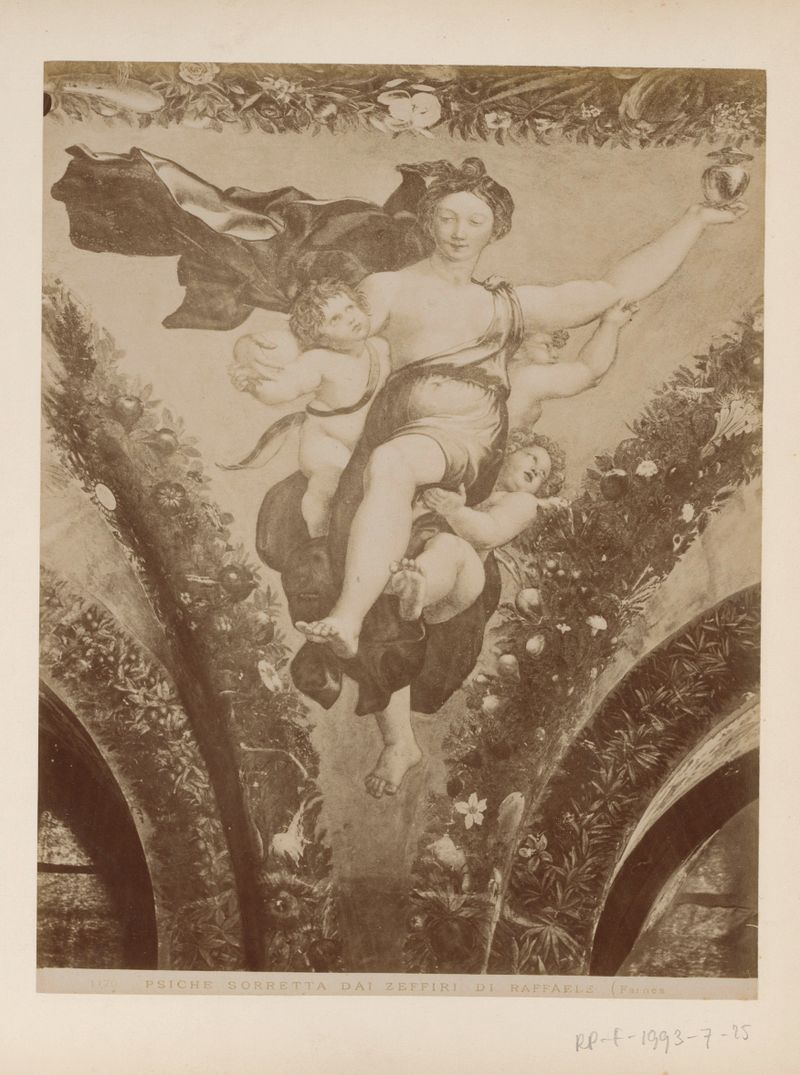
Fotoreproductie van fresco Psyche gesteund door zoele avondwind door Rafaël in het Farnesina te Rome
Domenico Anderson
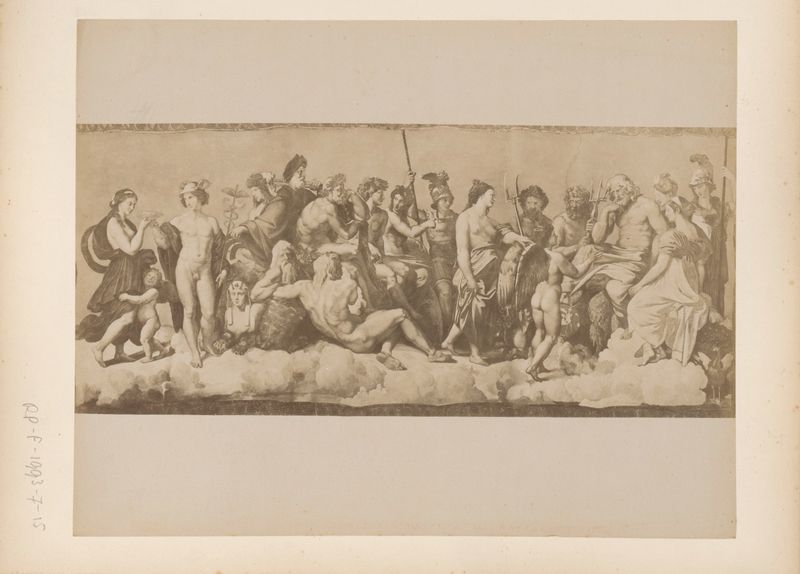
Fotoreproductie van fresco Het beraad der goden door Rafaël in het Farnesina te Rome
Domenico Anderson
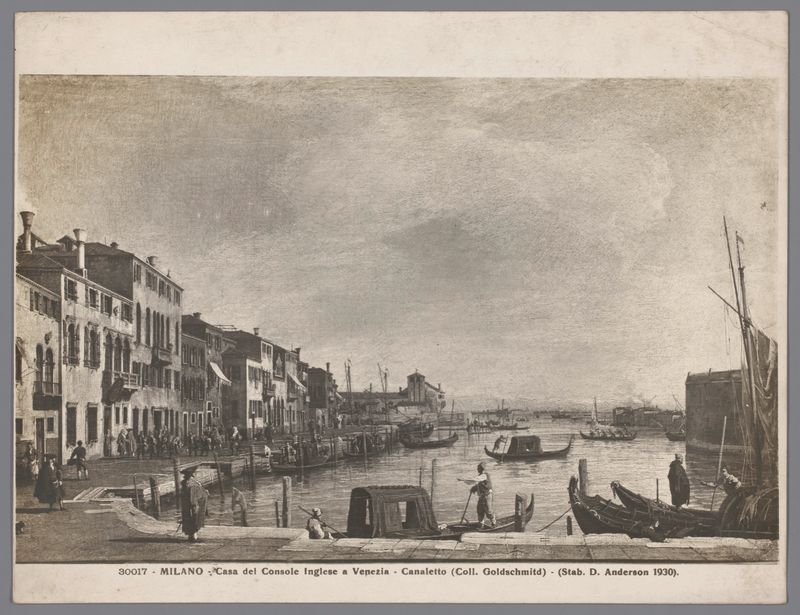
Fotoreproductie van een geschilderd gezicht op het Canale di Santa Chiara in Venetië door Canaletto
Domenico Anderson
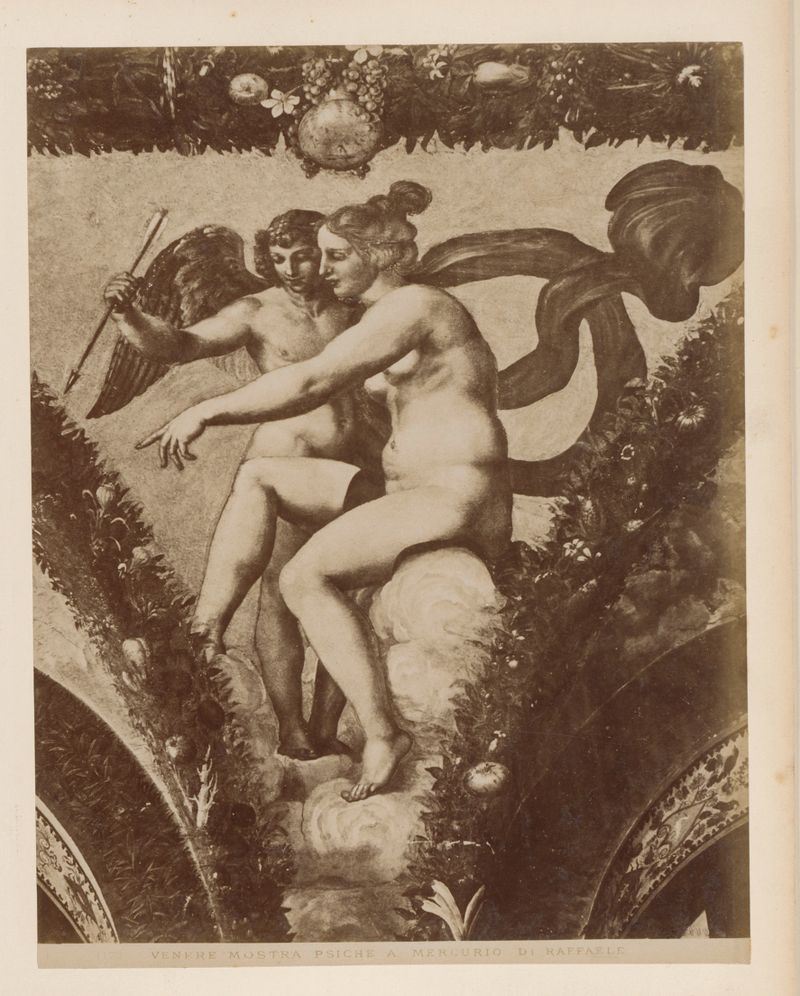
Fotoreproductie van fresco Venus en Psyche door Rafaël in het Farnesina te Rome
Domenico Anderson
Fotoreproductie van fresco Jupiter en Cupido door Rafaël in het Farnesina te Rome
Domenico Anderson