Four à plâtre à Montmartre — History & Facts
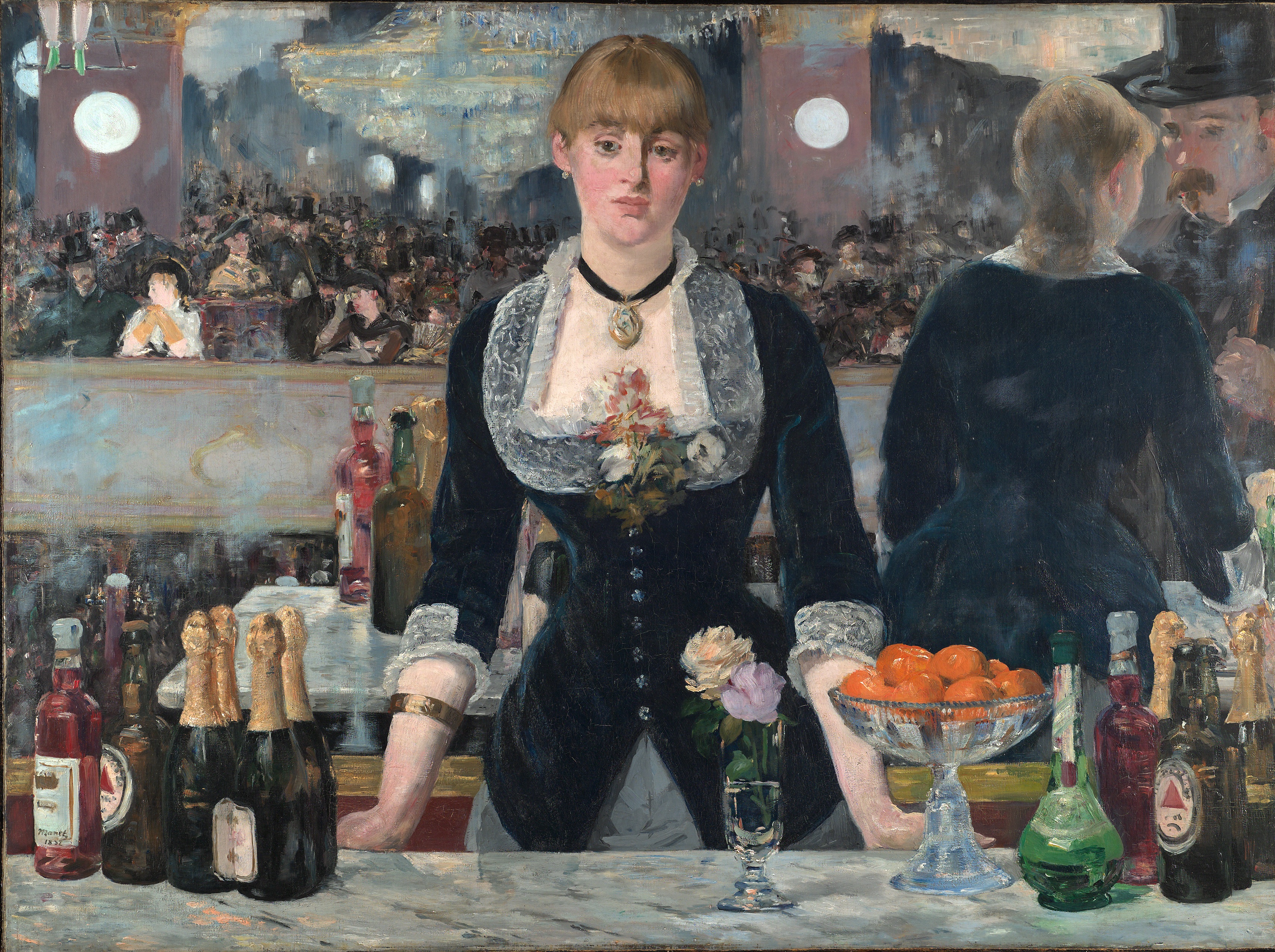
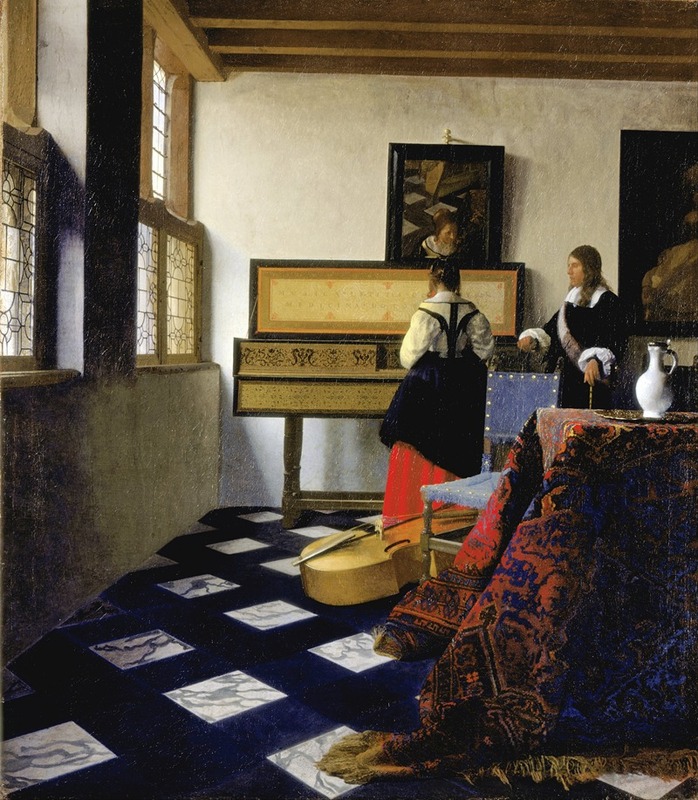
Who listens when art speaks of silence? In Four à plâtre à Montmartre, the stillness resonates with an unsettling weight, as if the very air holds its breath, waiting for the madness that bubbles beneath the surface. Look to the left at the imposing plaster oven, its textured surface rich with a muted palette of whites and grays that invites touch. The play of light, filtering through a nearby window, casts soft shadows that reveal the contours of the studio, accentuating the swaths of raw materials yet untouched. Notice the artist's deliberate choice of a limited color scheme, creating a stark contrast between the warmth of natural light and the coolness of the workspace, guiding your gaze through a labyrinth of creative potential. The painting captures more than a moment; it embodies the tension between creation and chaos.
The juxtaposition of the orderly studio against the chaotic array of tools suggests a mind poised on the brink of inspiration and madness. In the corner, the abandoned, crumpled sketches whisper of unrealized ideas, each holding the weight of unfulfilled ambition. Here, the silence is palpable, echoing the struggles of the artist’s internal landscape, where visions clash and collide. Henri-Arsène Macaire painted this work in 1834 while living in Montmartre, a burgeoning hub for artists and writers.
At this time, the Parisian art scene was undergoing a significant transformation, marked by a shift towards Romanticism. Macaire himself was engaged in exploring the boundaries of conventional representation, striving to capture the raw essence of creative pursuit amidst the backdrop of a world filled with both inspiration and instability.