Fragment Rynku — History & Facts
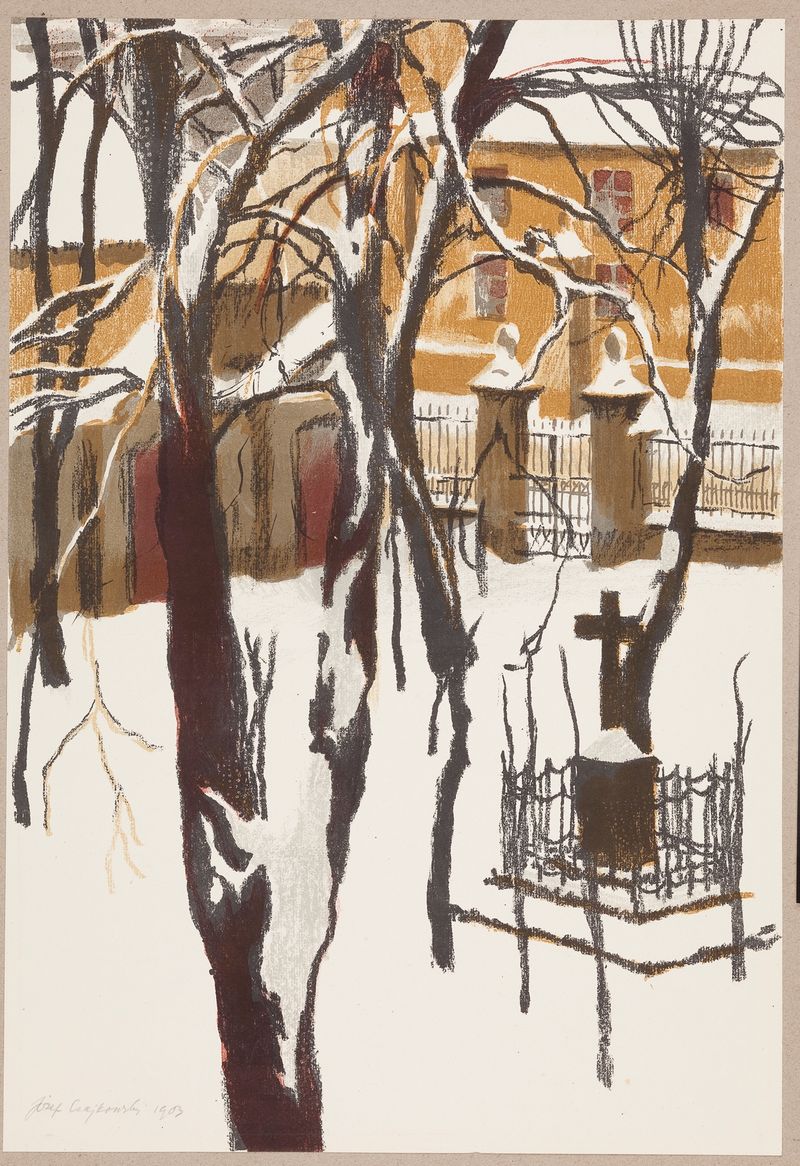
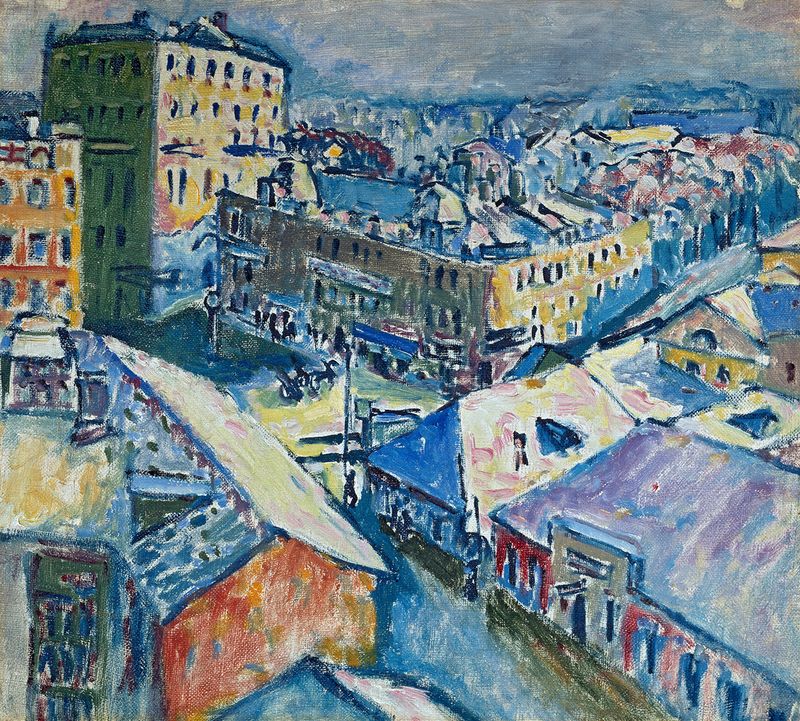
When did color learn to lie? In a world where chaos reigns, the vibrancy of hues can mask the disarray beneath, leaving us to question the truth in every stroke. Look to the left, where a riot of reds and blues collide, creating an unsettling yet captivating juxtaposition. The brushwork is frenetic, with swirling strokes that pull the eye toward the center, where the chaos seems most concentrated. Notice how the light bounces off the textured surfaces, illuminating certain areas while casting shadows that deepen the sense of disturbance.
This contrast in color and texture invites the viewer into a conversation about order and disorder. Delve deeper into the work, and the emotional tensions become palpable. The scattered shapes evoke a feeling of fragmentation, as if the very fabric of reality is unravelling. Yet within this disarray, there’s a haunting beauty: the harmony of conflicting colors suggests a delicate balance, a reminder that chaos often coexists with moments of exquisite clarity.
Each detail, from the erratic lines to the splashes of unexpected color, speaks to the unpredictability of life itself, challenging our perceptions of stability. Created in 1911, this piece emerged during a transformative period in Czajkowski's life, when the evolving European art scene was grappling with modernism and abstraction. Working in Poland, he was influenced by the tumultuous socio-political climate and the growing avant-garde movements throughout Europe. This context infuses Fragment Rynku with a sense of urgency, reflecting not just personal experience, but the broader chaos of an era on the brink of monumental change.