French Cottage — History & Facts
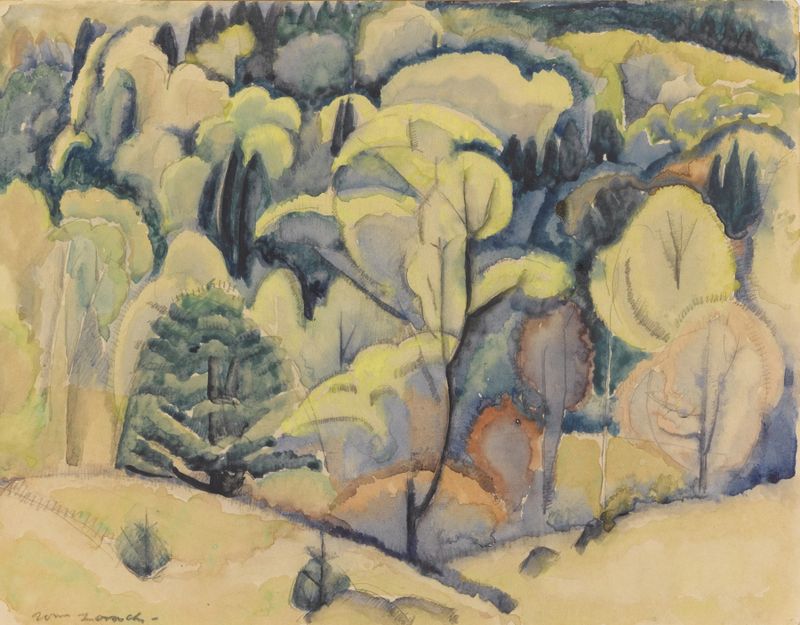
When did color learn to lie? In the gentle embrace of a canvas, hues intertwine to tell a story of renewal and quiet resilience, echoing the voice of nature itself. Focus on the vibrant greens that blanket the foreground, where lush foliage bursts forth in a symphony of life. Notice how the soft blues and warm ochres of the cottage meld seamlessly, inviting you to explore the tranquility of this pastoral retreat. The brushwork conveys a tactile quality, with each stroke suggesting movement and breath, creating an atmosphere that feels alive, pulsating with the very essence of spring. Yet beneath this idyllic exterior lies a tension—a juxtaposition of stillness and the lingering whispers of change.
The cottage, a symbol of stability, stands resolute, while the surrounding flora hints at the cycle of life, reminding us that rebirth often follows decay. The play of light and shadow across the scene evokes a profound sense of awakening, suggesting that even in moments of calm, transformation quietly unfolds. William Zorach painted this piece between 1910 and 1912, during a time of significant transition in the art world, as modernism began to take hold. Working from his studio in Maine, he sought to capture the essence of American landscapes, reflecting his personal journey through the evolving artistic landscape.
This period marked his exploration of color and form, ultimately revealing a deep connection to the themes of nature and rebirth, pivotal to his work and to the broader narrative of early 20th-century art.