Frühling (Spring). — History & Facts
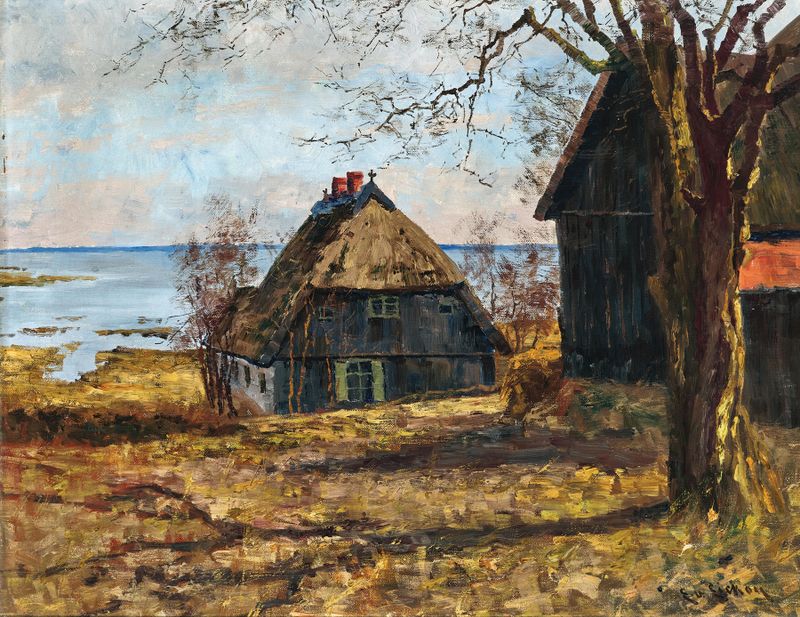
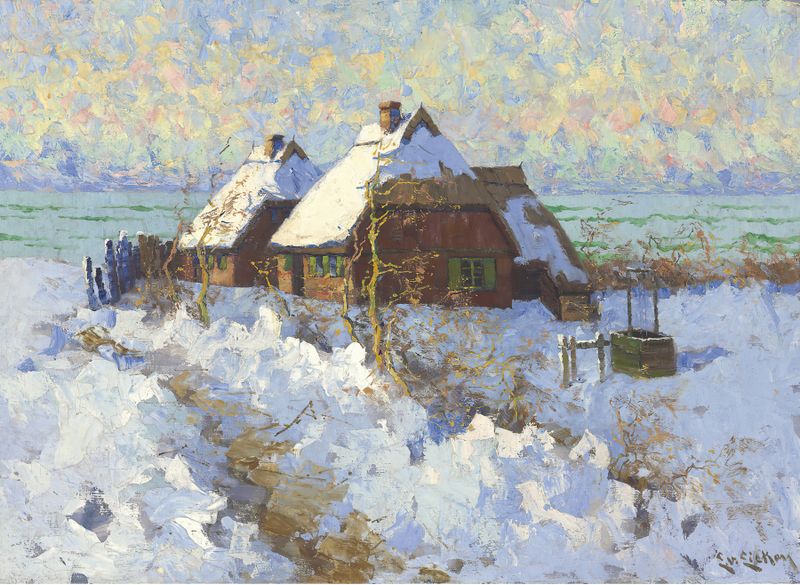
Could beauty survive in a century of chaos? In the vibrant tapestry of Frühling, the artist weaves a legacy that transcends the tumult of time, inviting us to ponder the resilience of nature and the human spirit. First, focus on the soft palette of pastel greens and yellows that emanate warmth and renewal. The gentle strokes create an idyllic landscape, drawing the eye to the blossoming flowers that dot the foreground. Notice how the light dances upon the petals, lending a radiant glow that suggests the awakening of life after a long winter.
Each brushstroke celebrates the delicate balance of flora, inviting the viewer to immerse themselves in the harmony of the scene. Yet, beneath this serene exterior lies a poignant contrast—the fleeting nature of beauty. The flowers, though vibrant and full of life, are ephemeral, a reminder that each spring is but a moment in a cyclical journey. The juxtaposition of the lush landscape against whispers of decay invites an introspection on the transient cycle of existence.
This duality encapsulates a powerful emotional tension, beckoning us to appreciate beauty while acknowledging its inevitable departure. Elisabeth von Eicken painted Frühling during a time of great change, likely around the late 19th or early 20th century. As Germany navigated industrialization and social upheaval, her work emerged as a counterpoint to the chaos, reflecting a longing for stability and connection to nature. In this context, the painting becomes not just an image of spring, but a testament to an enduring legacy—a celebration of life amidst uncertainty.