
Discover insights about this artwork
Frühling — History & Facts
In Frühling, Franz von Stuck presents a vibrant scene filled with lush greens and soft pastels. The painting features allegorical figures representing spring, adorned with flowers and flowing garments. The background is a dreamy landscape, suggesting a transition into the warmth of the season.
The overall composition evokes a sense of renewal and vitality. The painting is executed in oil on canvas, showcasing Stuck's skillful use of color and light. The figures are rendered with a delicate touch, emphasizing their ethereal quality. Viewers can appreciate the intricate details in the floral elements and the flowing drapery of the garments.
The dimensions are approximately 100 x 150 cm, making it a substantial piece that draws the viewer in. Franz von Stuck was a key figure in the Symbolist movement, known for his allegorical works that often explore themes of nature and mythology. Frühling reflects his fascination with the interplay of light and color, characteristic of his later works. Interestingly, this painting was created during a period when Stuck was also involved in architecture and design, showcasing his versatility as an artist.
His work continues to influence contemporary artists exploring similar themes.
More Artworks by Franz von Stuck
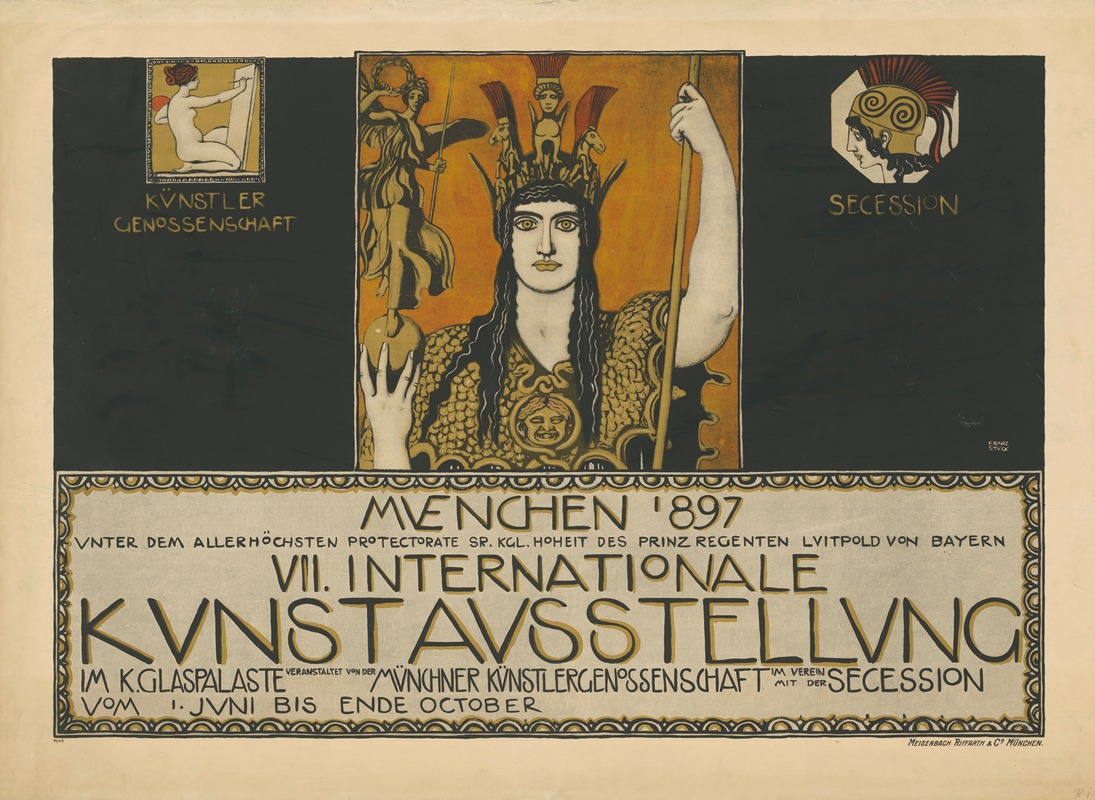
7. Internationale Kunstausstellung des Vereins Bildender Künstler München Secession
Franz von Stuck
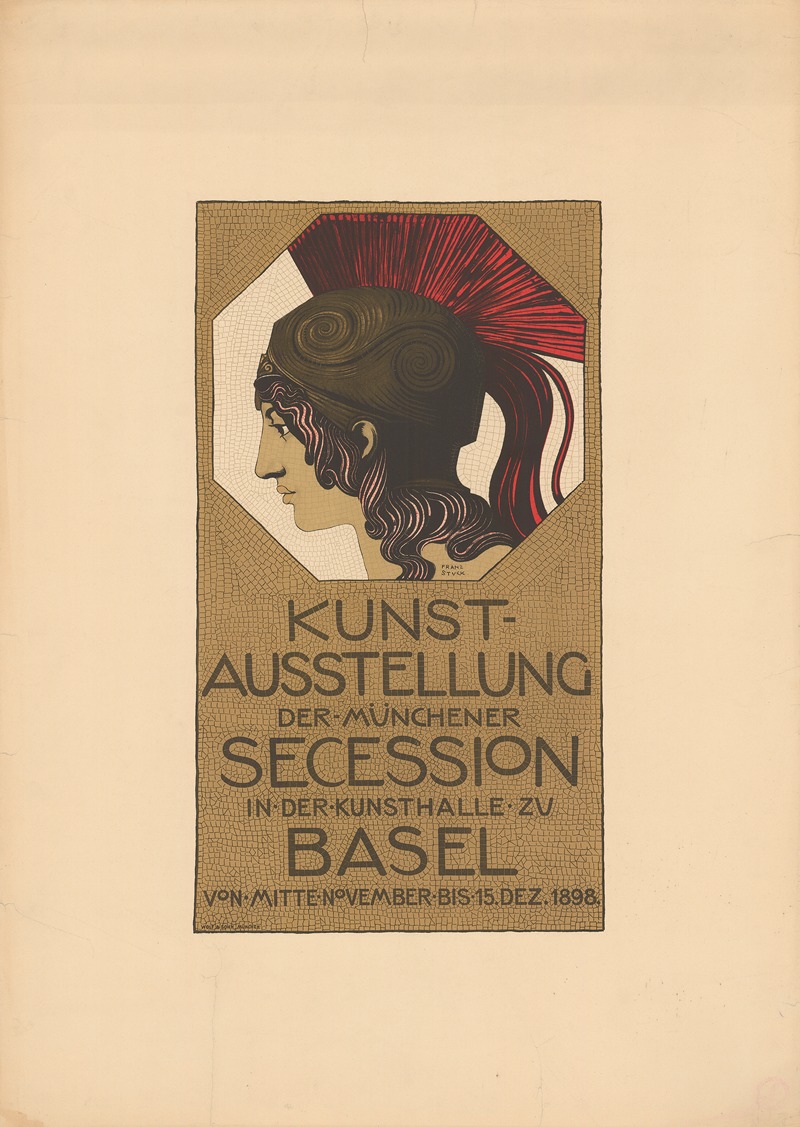
Kunstausstellung der Münchener Secession in der Kunsthalle zu Basel
Franz von Stuck

Susanna im Bade
Franz von Stuck

The Dancer Saharet
Franz von Stuck

The Spring
Franz von Stuck
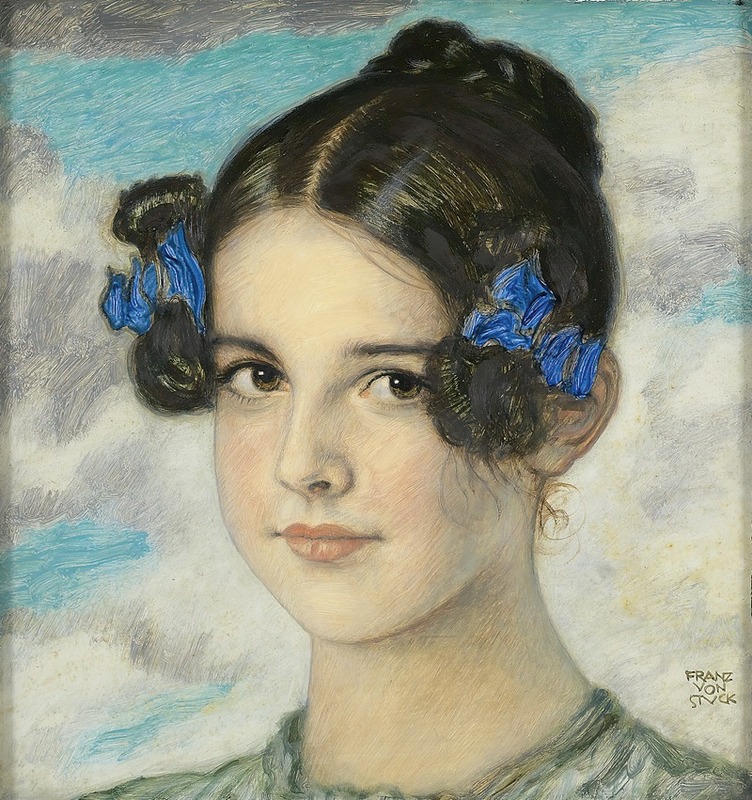
Tochter Mary
Franz von Stuck

Portrait einer Dame mit Spitzenkragen
Franz von Stuck
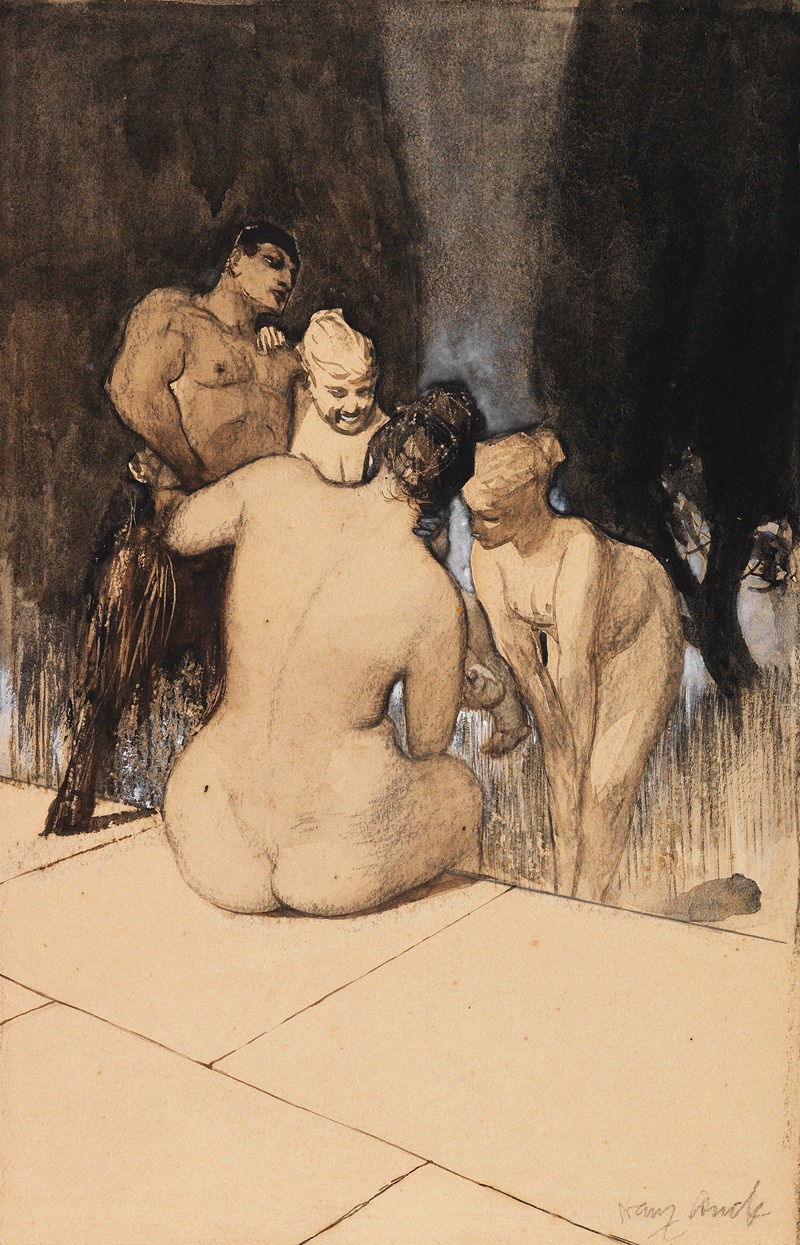
Satyr mit Nymphen und Kind
Franz von Stuck

Oedipus solves the mystery of the Sphinx
Franz von Stuck
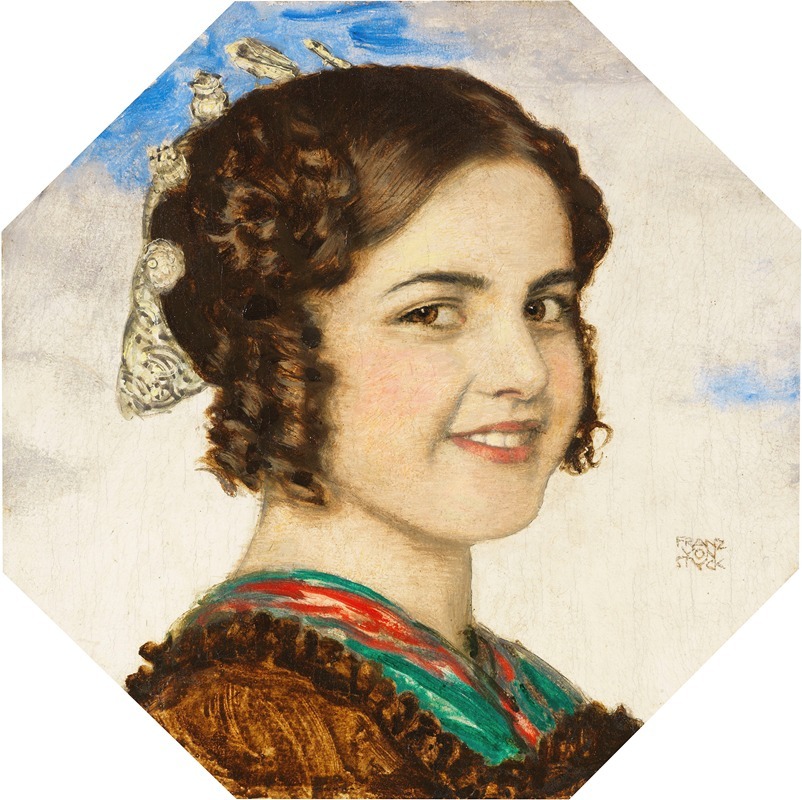
Porträt der Tochter Mary
Franz von Stuck
More Allegory Art
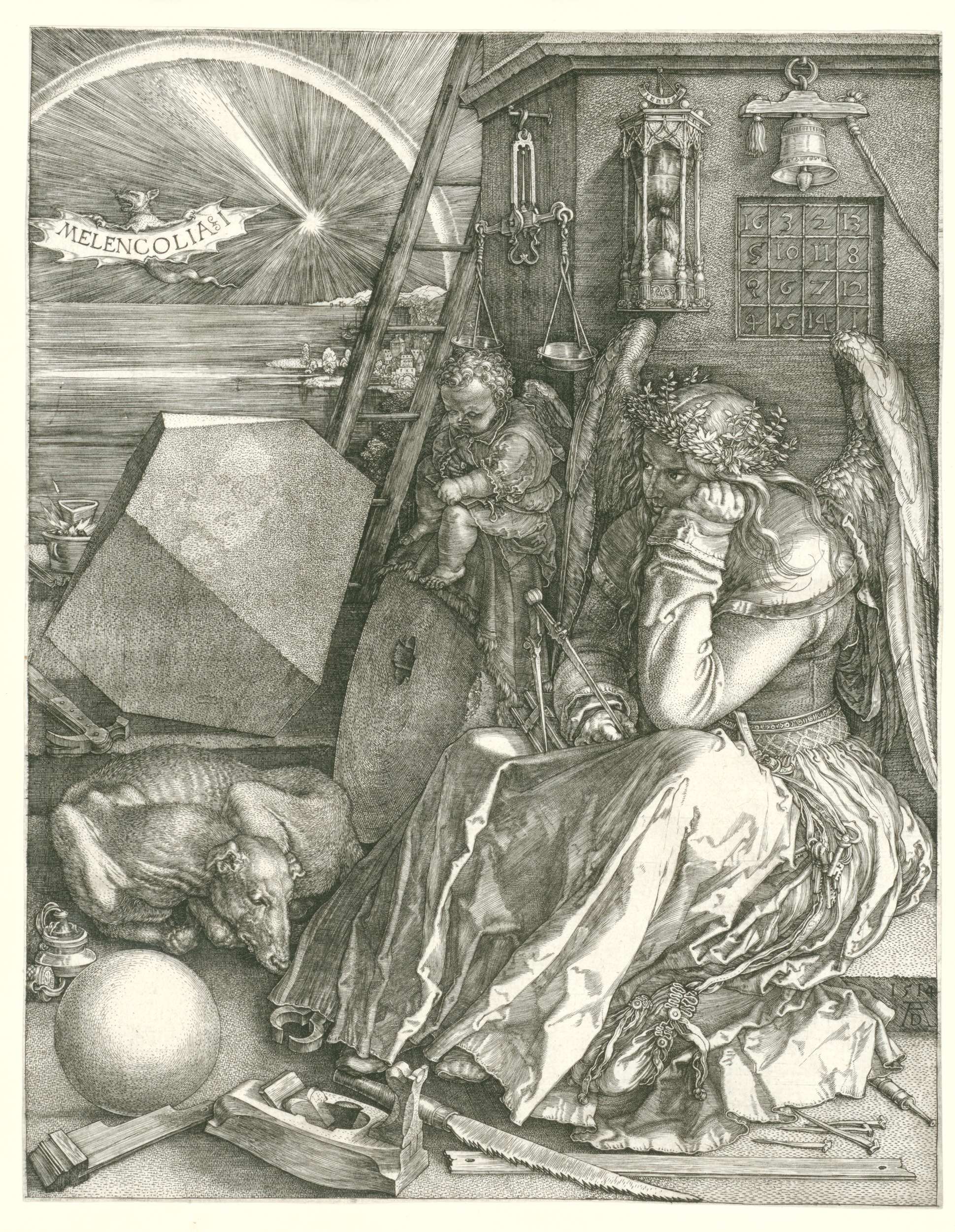
Melancholia
Albrecht Dürer
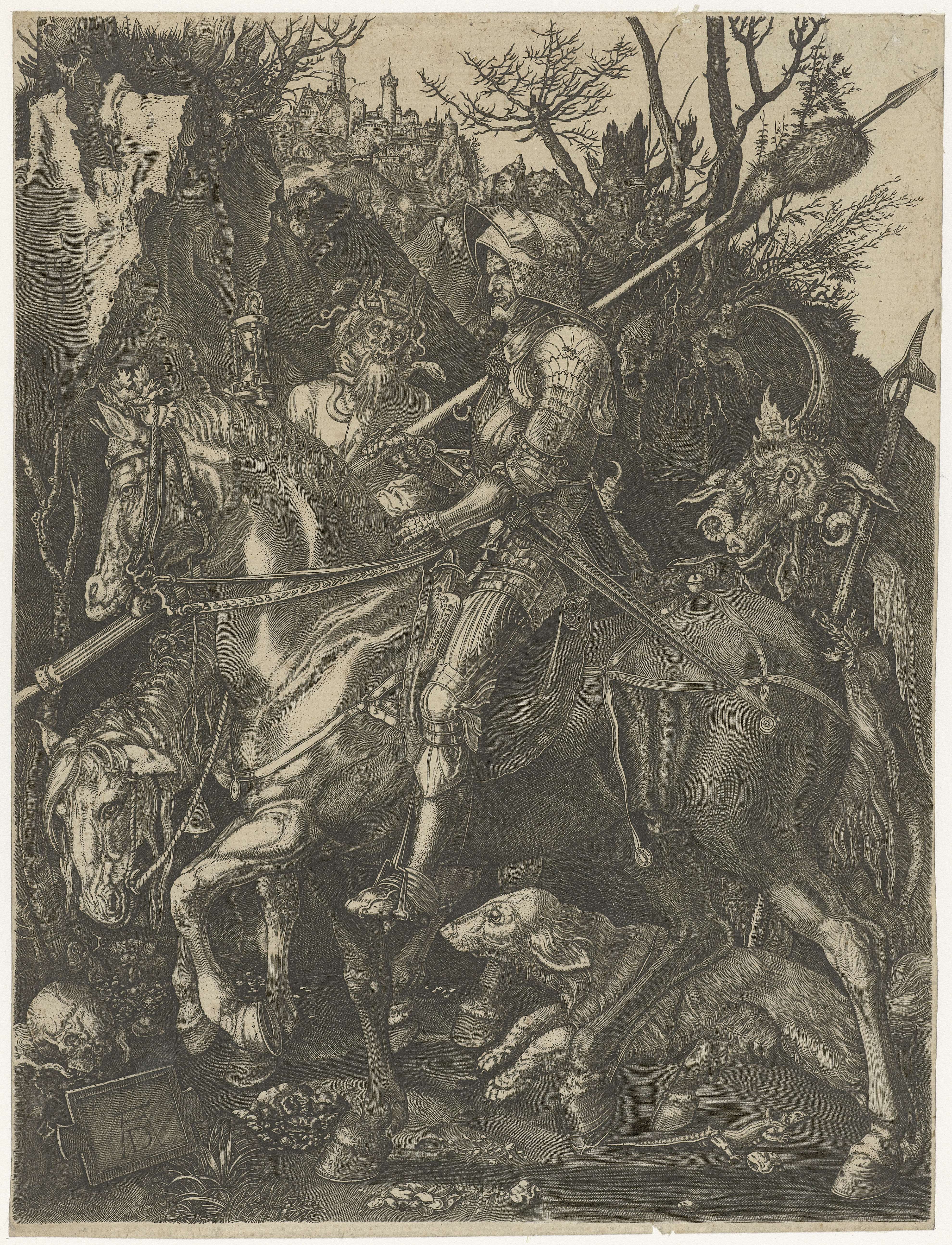
Ridder, Dood en Duivel
Unknown Artist
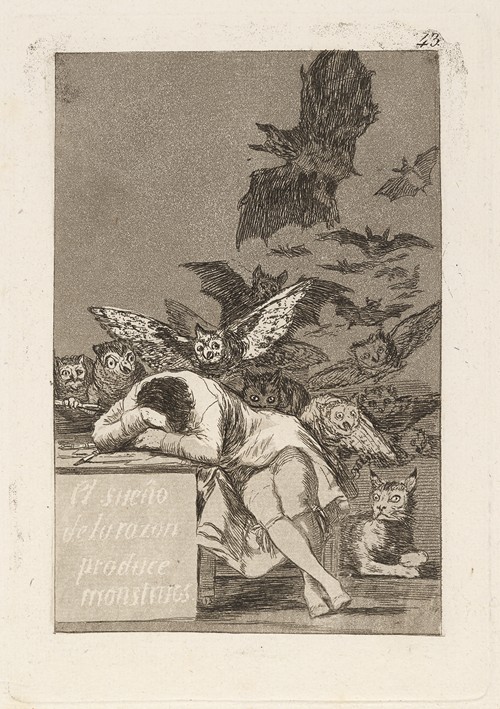
El sueño de la razon produce monstruos. (The sleep of reason produces monsters.)
Francisco de Goya
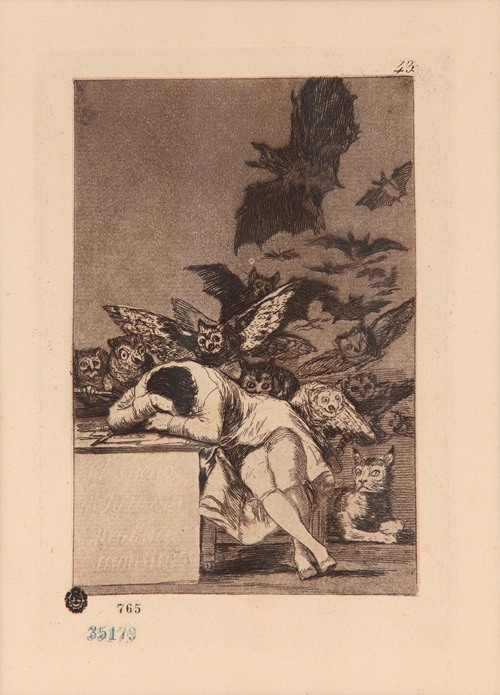
El sueño de la razon produce moustruos (Serie Caprichos)
Francisco de Goya
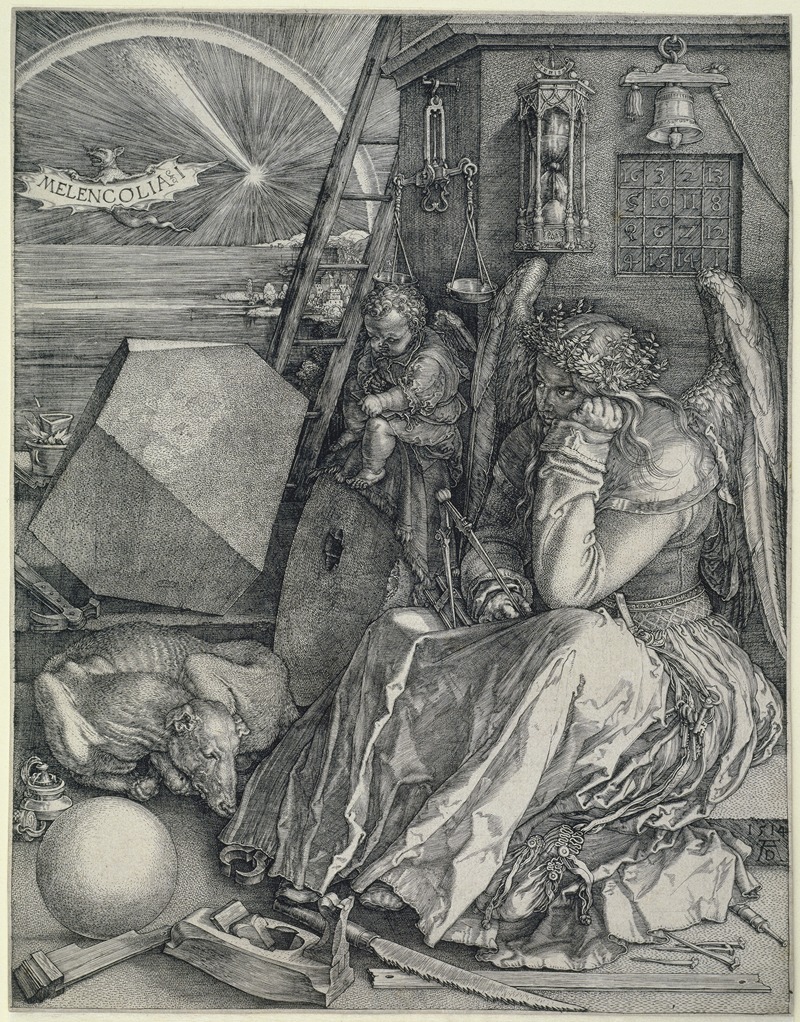
Melencolia I (The Melancholy)
Albrecht Dürer
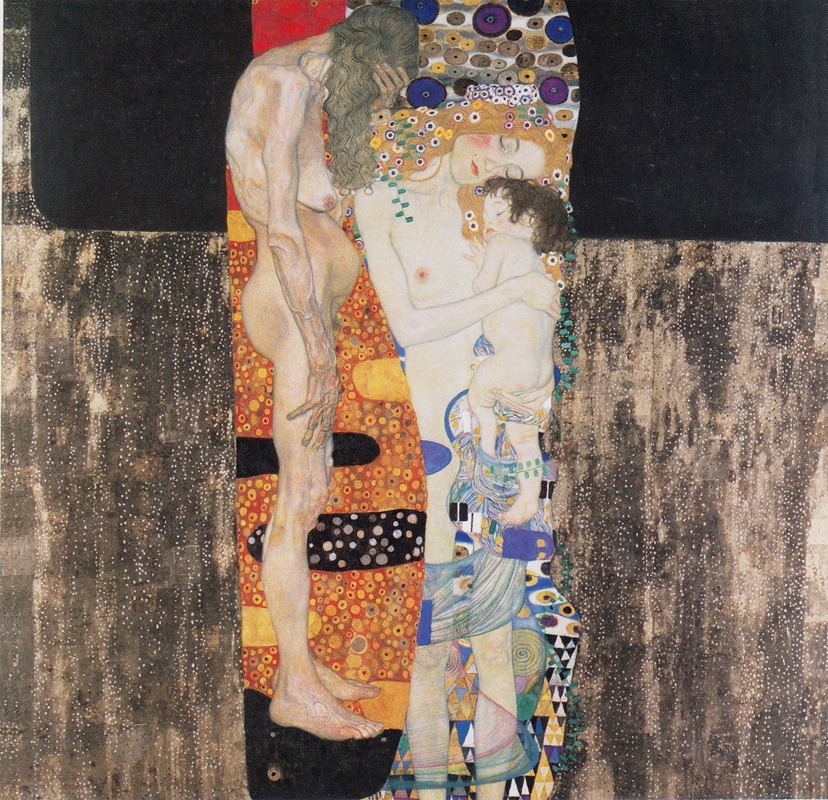
The Three Ages of the Woman
Gustav Klimt