
Gaius Mucius Scaevola — History & Facts
In Gaius Mucius Scaevola, the viewer is greeted with a dramatic scene filled with rich colors. The central figure, Gaius Mucius, is depicted in a moment of intense focus, surrounded by a dark, shadowy background. His attire reflects Roman military garb, emphasizing his bravery and determination.
The use of light highlights his expression, drawing attention to his resolve. The painting is executed in oil on canvas, a medium that allows for vibrant colors and detailed textures. The dimensions are approximately 100 x 150 cm, giving it a substantial presence. The artist employs a neoclassical style, characterized by its clear lines and idealized forms.
This technique enhances the heroic narrative of the subject. Hans Werner Schmidt, the artist, was known for his historical themes and neoclassical style. Gaius Mucius Scaevola is particularly interesting as it captures a moment from Roman history where the hero demonstrates courage by burning his own hand to prove his resolve. This act of bravery is a significant part of Roman lore, symbolizing loyalty and sacrifice.
Schmidt's work reflects a fascination with classical themes that were popular in his time.
More Artworks by Hans Werner Schmidt

Horse racing at the Circus
Hans Werner Schmidt
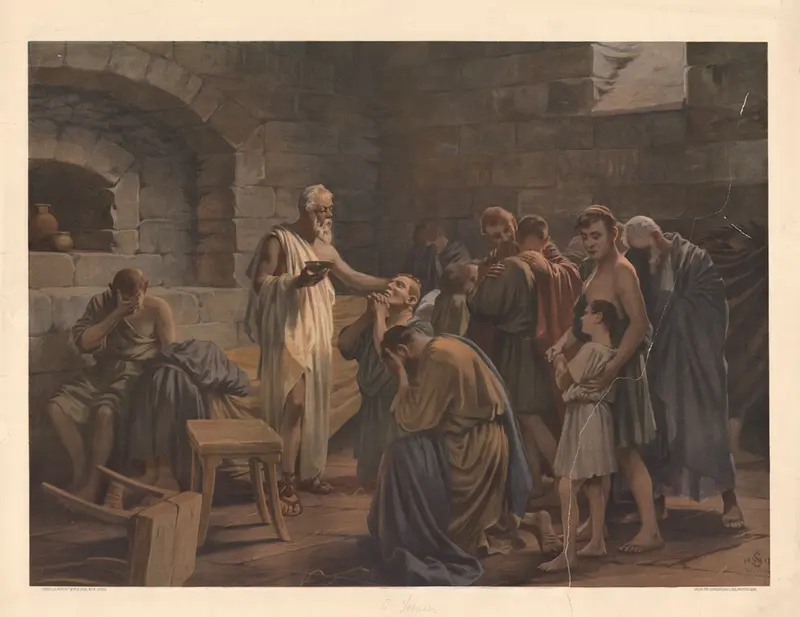
Socrates in prison
Hans Werner Schmidt
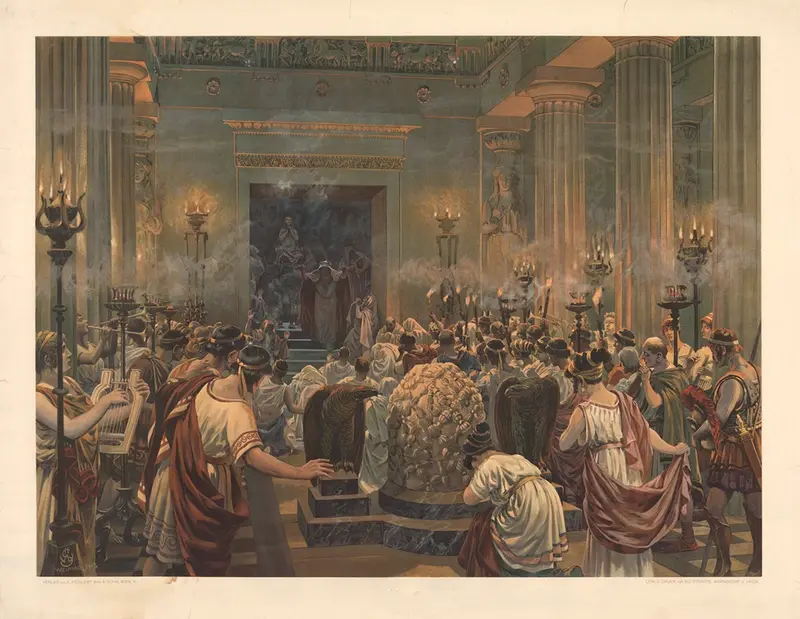
The Oracle at Delphi
Hans Werner Schmidt
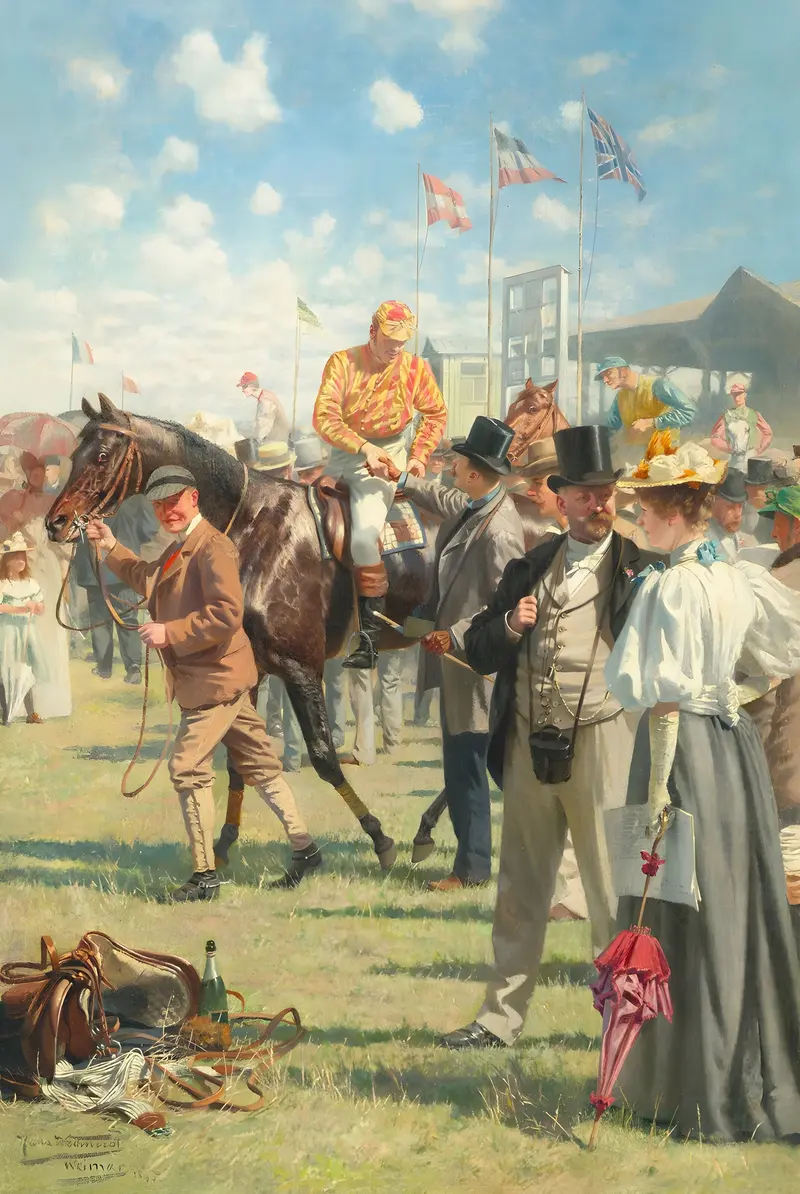
In the paddock or the winner
Hans Werner Schmidt
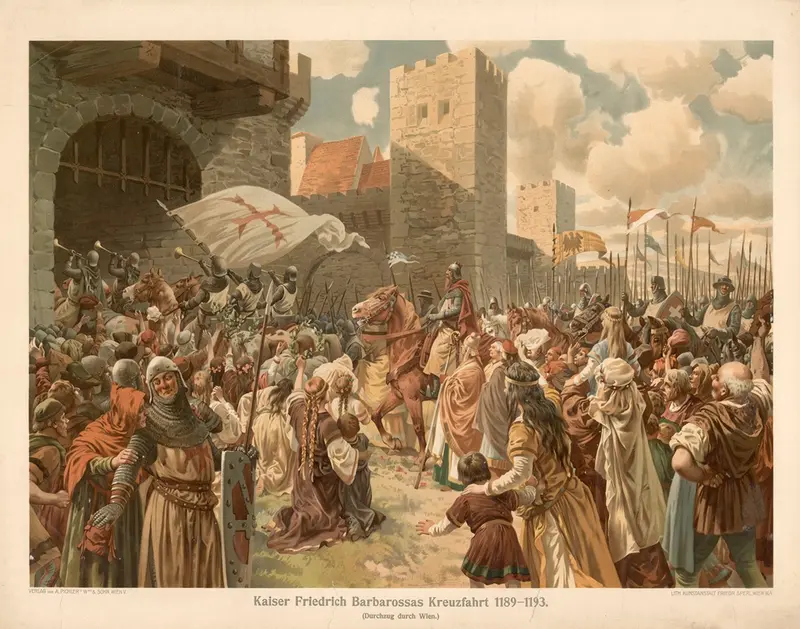
Emperor Frederick Barbarossa’s Crusade 1189-
Hans Werner Schmidt
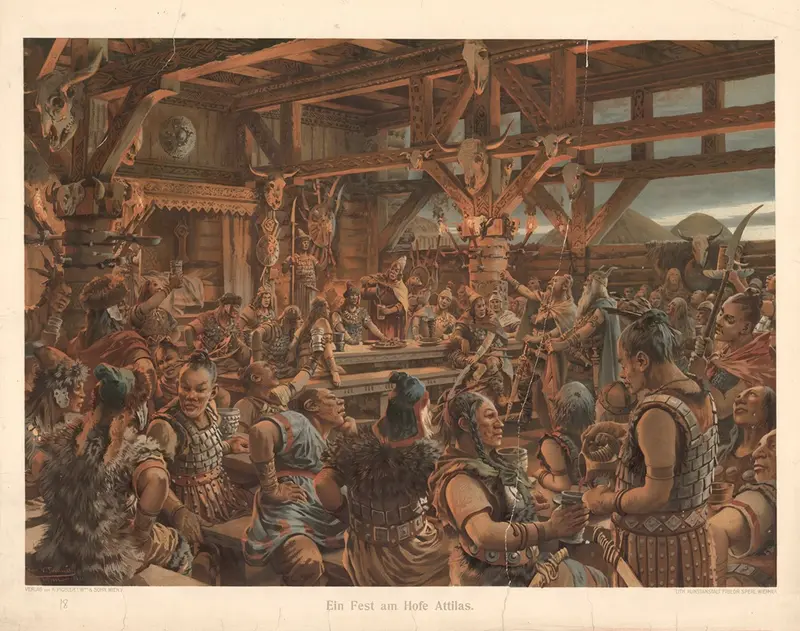
A feast at Attila’s court
Hans Werner Schmidt
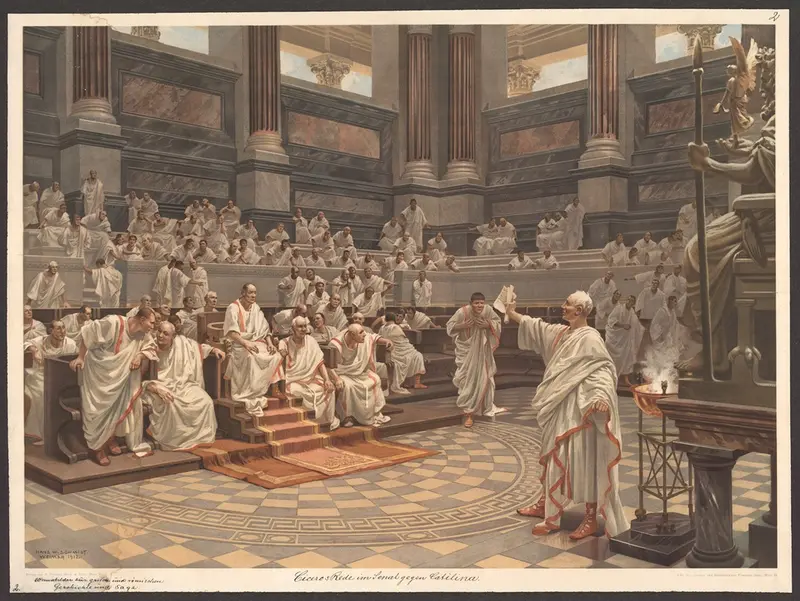
Cicero’s tale about Catiline
Hans Werner Schmidt





