
Discover insights about this artwork
Garden of Peril — History & Facts
In Garden of Peril, vibrant colors dominate the canvas, creating a lush and dangerous atmosphere. The painting features a dense garden filled with exotic plants and flowers, suggesting both beauty and threat. Figures are depicted in various poses, some appearing entranced by the flora, while others seem wary of their surroundings.
The interplay of light and shadow adds depth, enhancing the sense of peril within this enchanting setting. The painting is executed in oil on canvas, a medium that allows for rich color saturation and texture. Cornwell's brushwork is detailed, capturing the intricate patterns of the foliage and the expressions of the figures. The composition is carefully arranged, leading the viewer's eye through the garden's winding paths.
The overall effect is both captivating and unsettling, inviting contemplation of the duality of beauty and danger. Dean Cornwell was known for his illustrative style and ability to convey narrative through imagery. 'Garden of Peril' reflects his interest in allegorical themes, often exploring the tension between allure and risk. An interesting fact about this work is that it was created during a period when Cornwell was heavily influenced by Symbolism, which sought to express deeper meanings through visual metaphors.
This painting exemplifies his skill in merging beauty with a sense of foreboding.
More Artworks by Dean Cornwell
Options
Dean Cornwell
Never the Twain Shall Meet
Dean Cornwell
The Den of Iniquity
Dean Cornwell
The Great Things of Life-Travel
Dean Cornwell
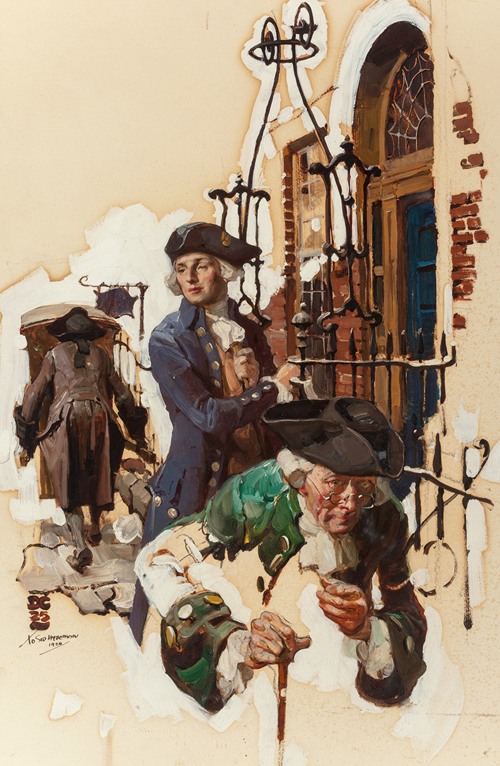
The Callers
Dean Cornwell
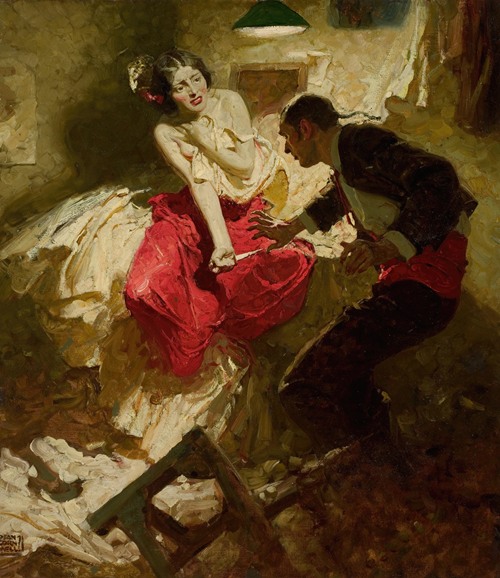
The Red Shawl
Dean Cornwell
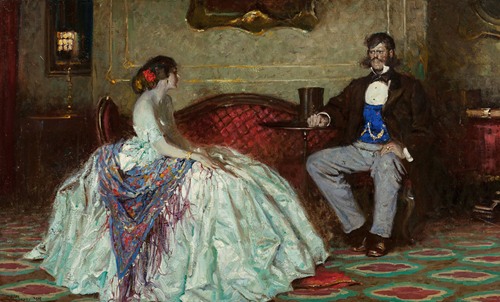
The Dark Fleece
Dean Cornwell
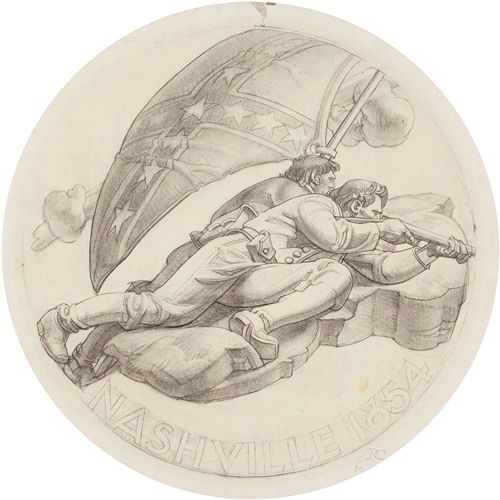
Nashville
Dean Cornwell
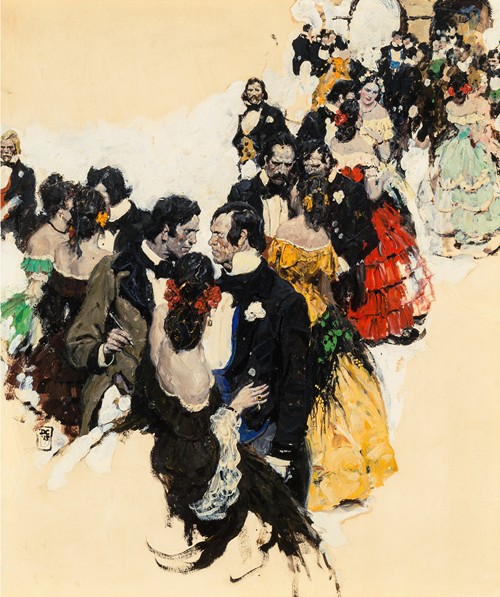
Periwinkle House
Dean Cornwell
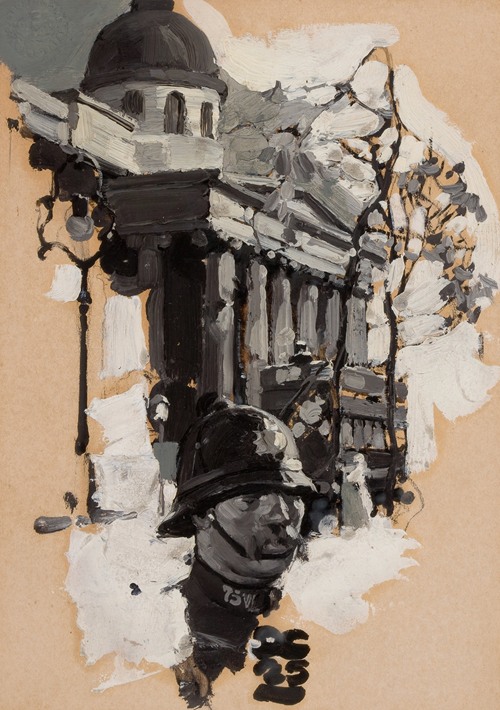
Policeman with Parliamentary Building
Dean Cornwell
More Allegory Art
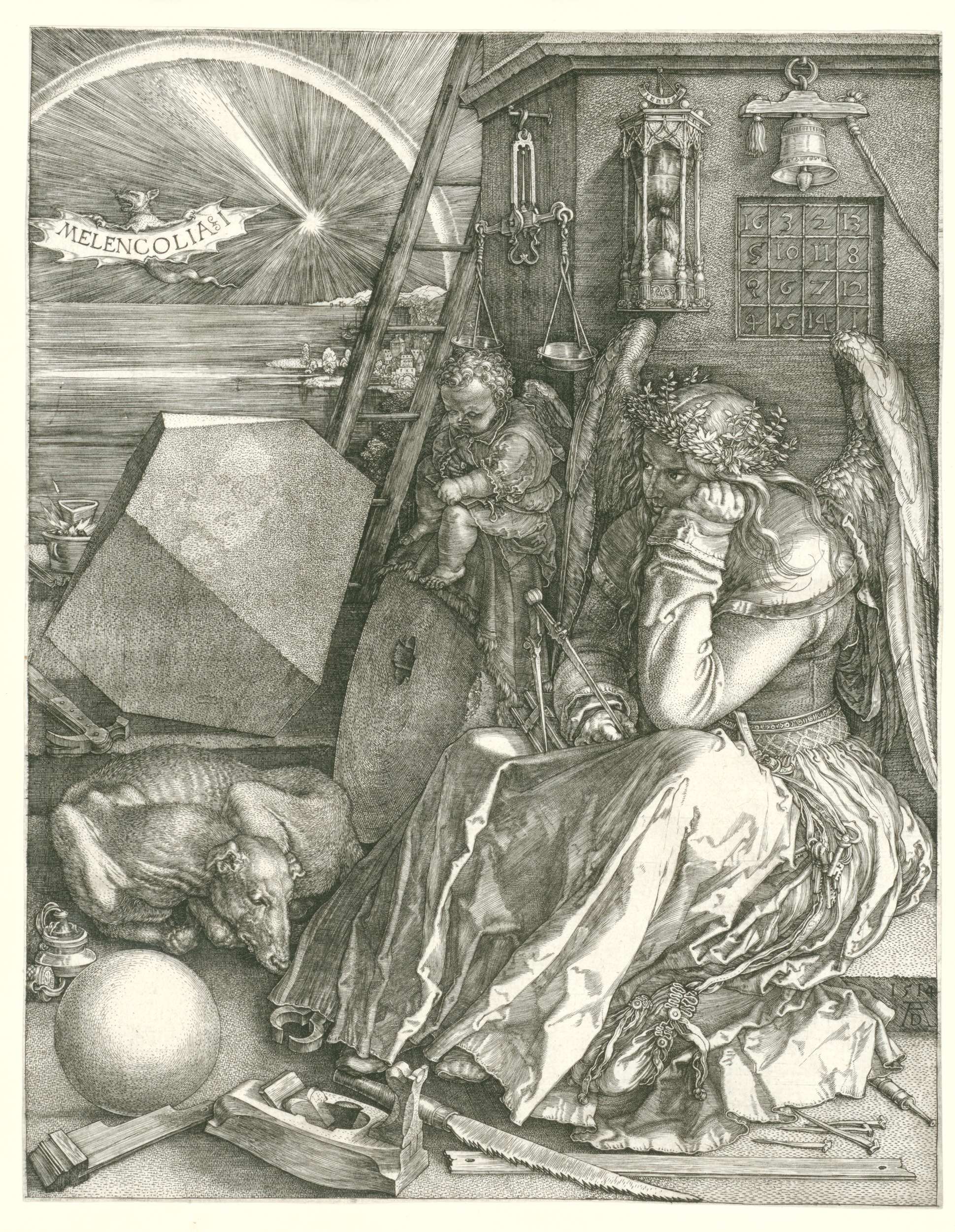
Melancholia
Albrecht Dürer
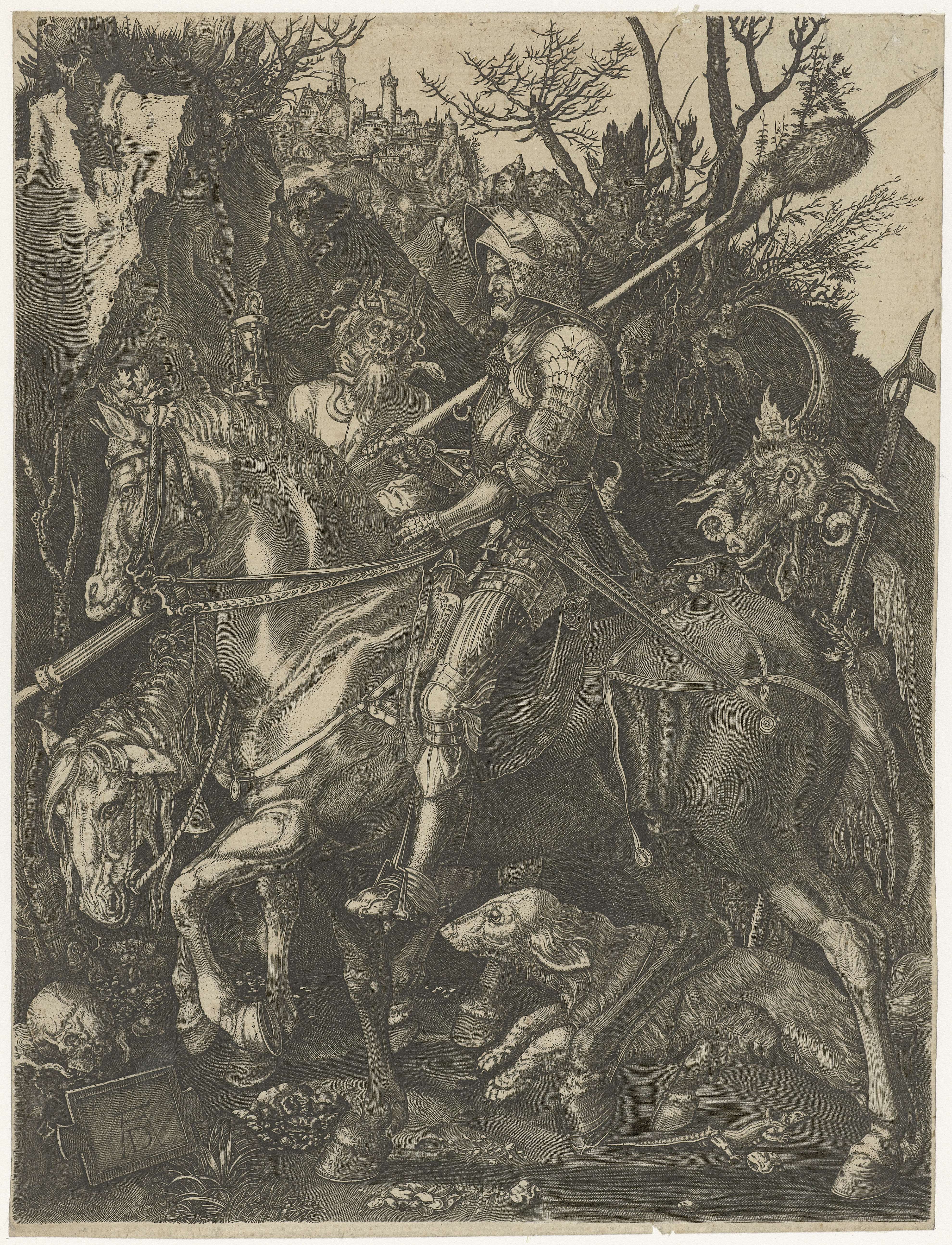
Ridder, Dood en Duivel
Unknown Artist
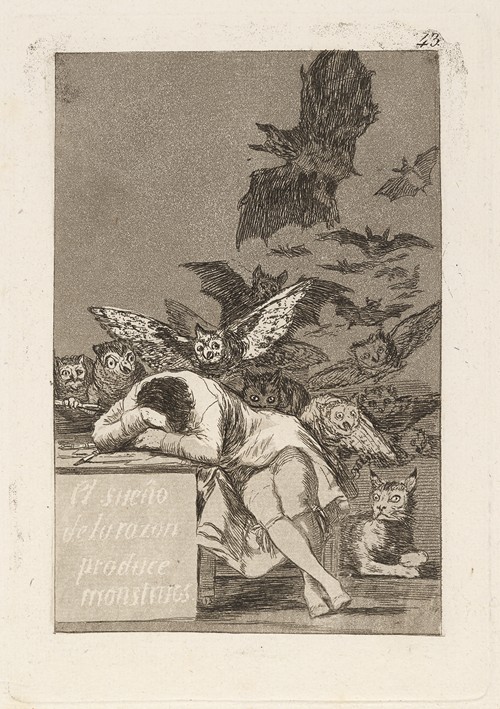
El sueño de la razon produce monstruos. (The sleep of reason produces monsters.)
Francisco de Goya
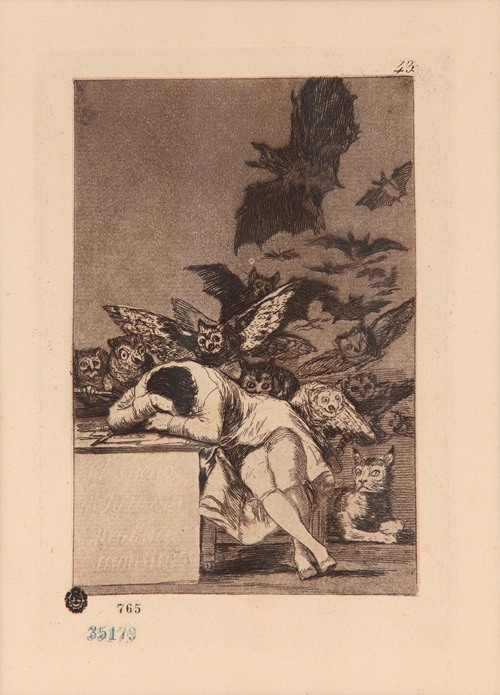
El sueño de la razon produce moustruos (Serie Caprichos)
Francisco de Goya
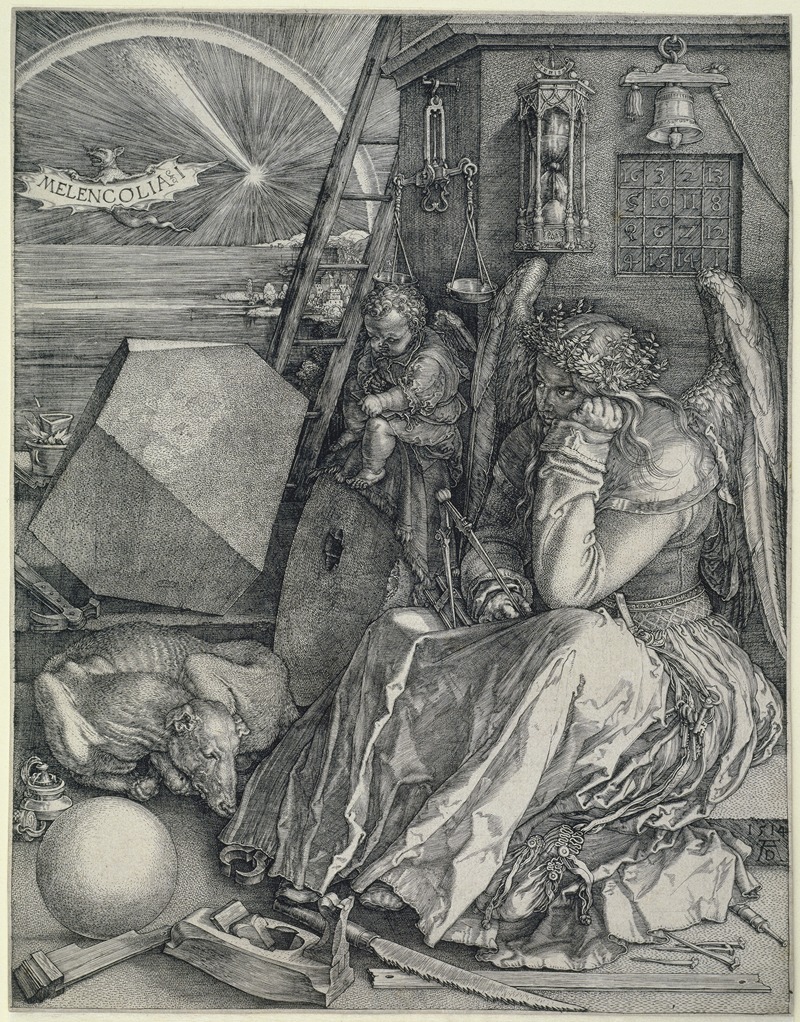
Melencolia I (The Melancholy)
Albrecht Dürer
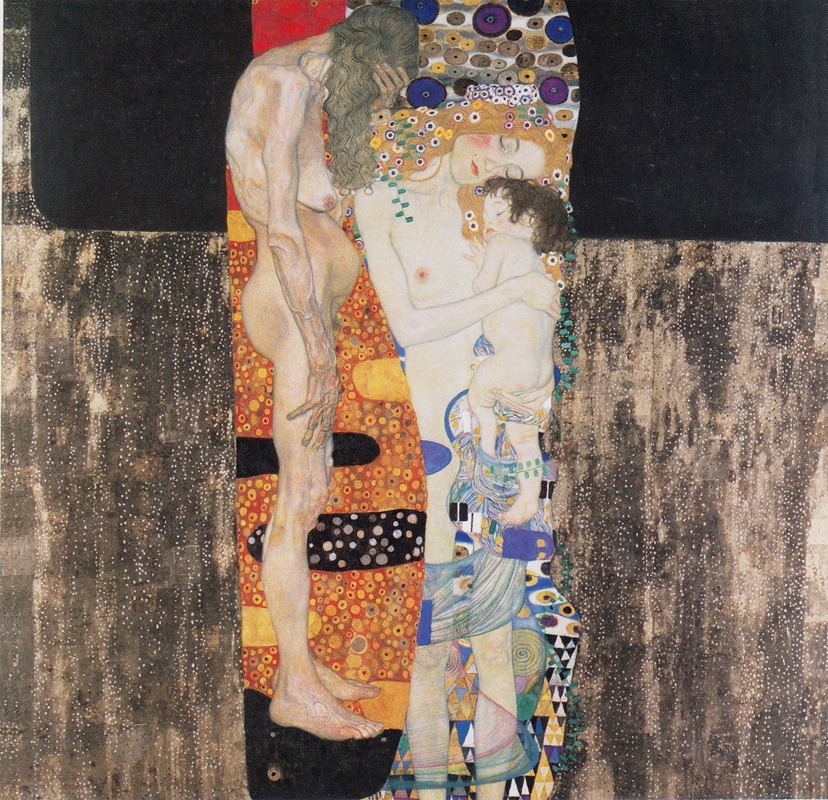
The Three Ages of the Woman
Gustav Klimt