
Garfield’s grave, Lakeview Cemetery — History & Facts
When did color learn to lie? The vibrant hues of a grave marker may mask the heavy truths sewn into the fabric of memory and loss. In a world where change is relentless, even the most somber monuments shimmer with the allure of transformation. Focus on the figure of the dignified monument, standing proudly amidst the surrounding landscape. Look closely at the intricately carved details of the stone—a gentle curve here, a deep shadow there—each element contributing to the ethereal quality that blurs the boundary between life and death.
The soft greens and browns of the cemetery harmonize with the solemn gray of the stone, creating a poignant contrast that evokes contemplation. The layers of emotional tension are palpable; the artwork captures not just a resting place but the resonance of a nation’s grief and reverence. The juxtaposition of the lively colors against the somber subject matter invites reflection on how memory transforms over time. The vibrant hues suggest a celebration of life, while the stone itself stands as a reminder of mortality, urging viewers to consider their own legacies in the face of inevitable change. Created in 1883, this lithograph emerged during a period of national mourning following the assassination of President James A.
Garfield, whose burial site it depicts. At this time, the world of art was shifting towards realism, yet the use of color in this piece reflects a desire to infuse life into a somber narrative—a technique that captured the complexities of human emotion and the ongoing impact of loss amidst the inevitability of change.
More Artworks by Krebs Lith. Co
Browse all →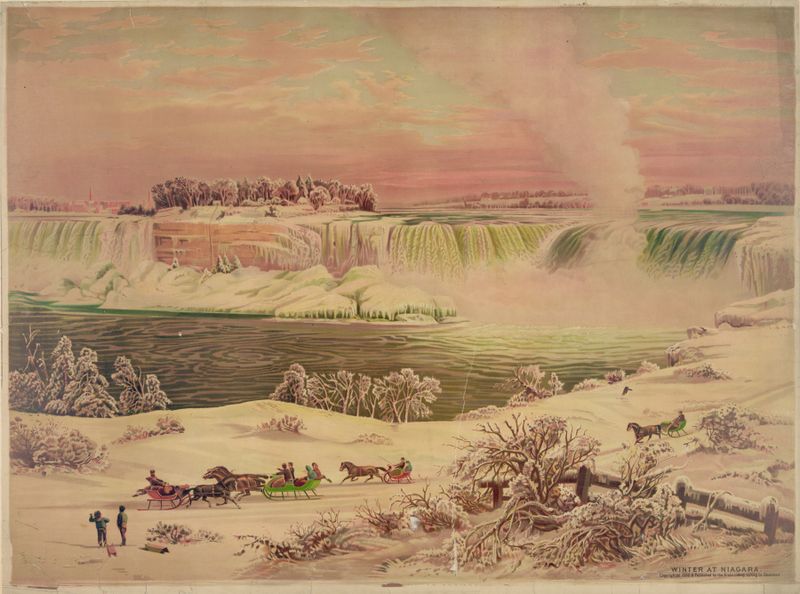
Winter at Niagara
Krebs Lith. Co
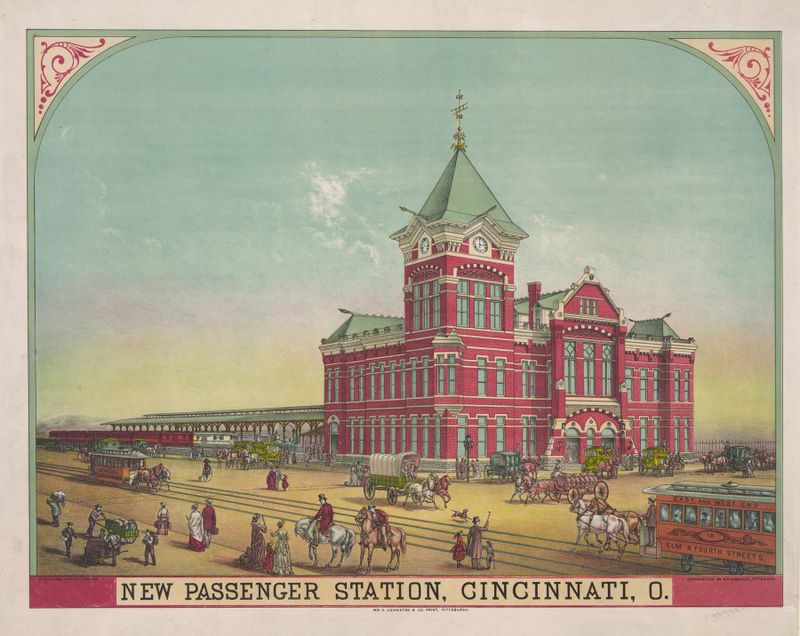
New passenger station, Cincinnati, O.
Krebs Lith. Co
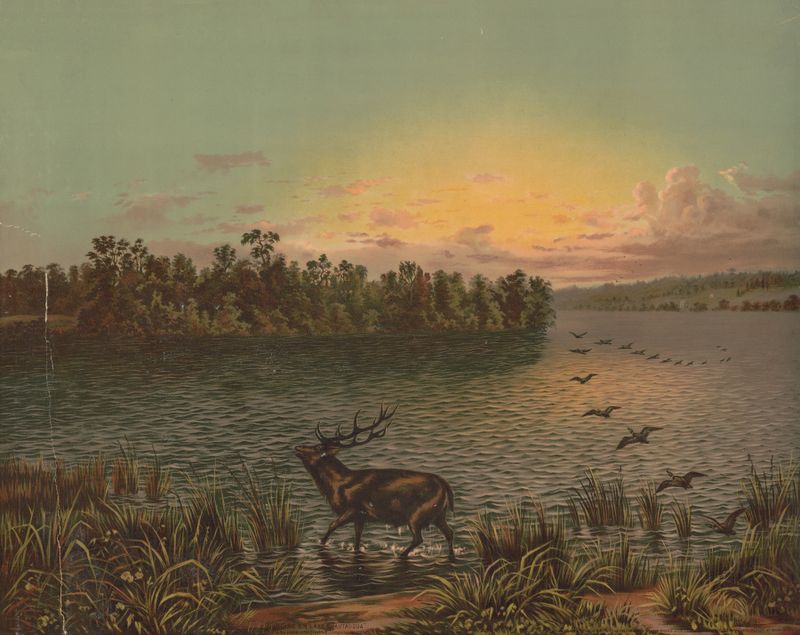
Sunrise on Lake Chautauqua
Krebs Lith. Co
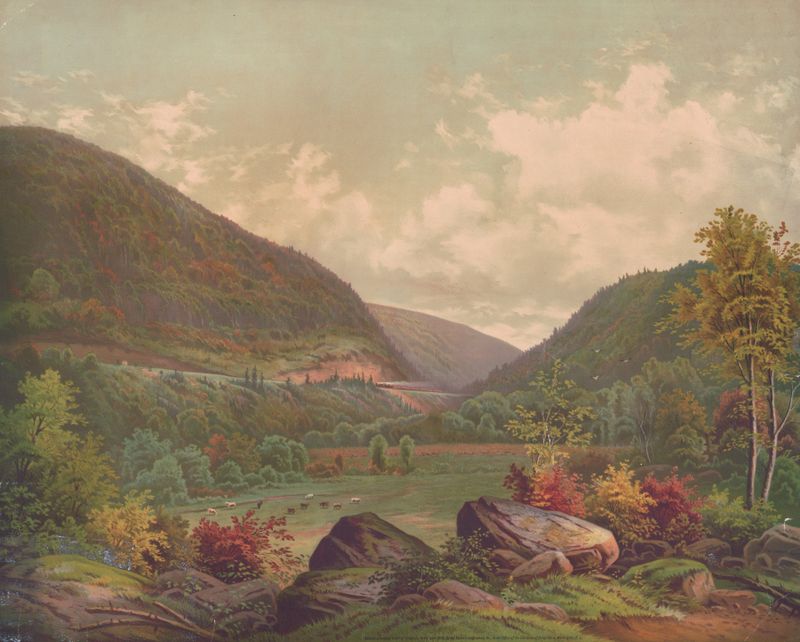
Autumn in the Alleghenies (horse shoe bend)
Krebs Lith. Co
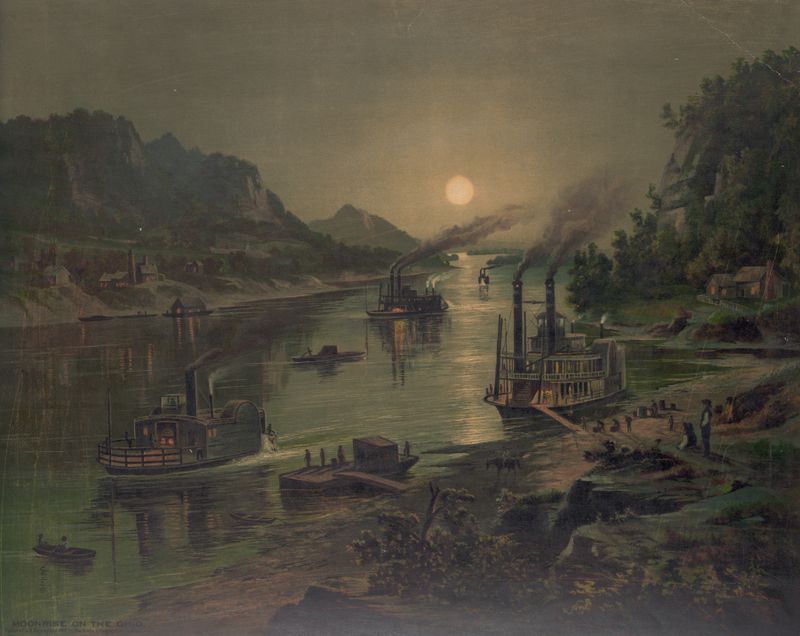
Moonrise on the Ohio
Krebs Lith. Co
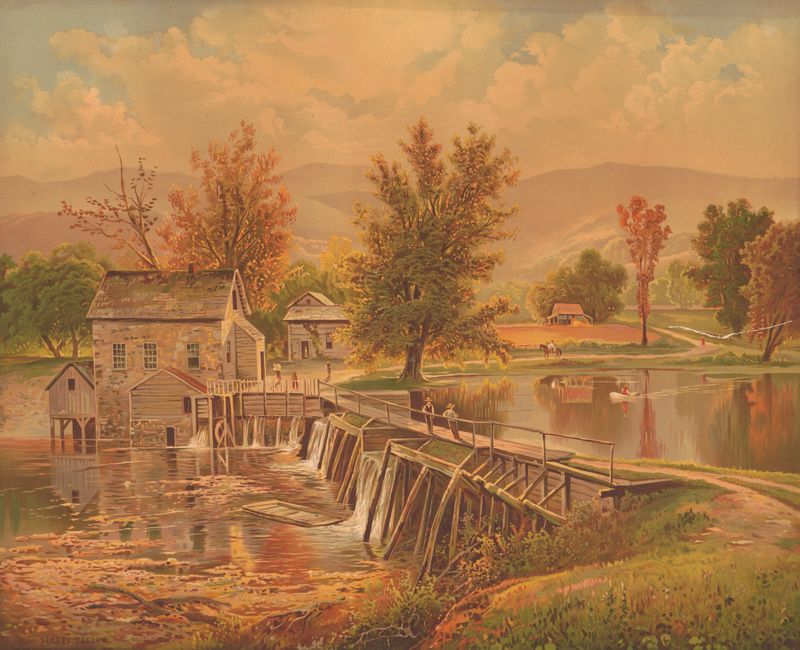
Sleepy hollow
Krebs Lith. Co
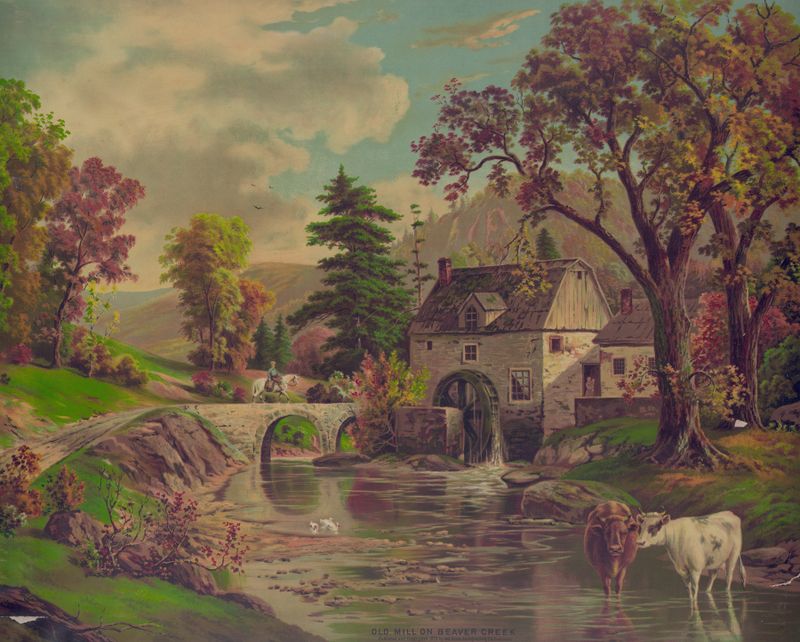
Old mill on Beaver Creek
Krebs Lith. Co
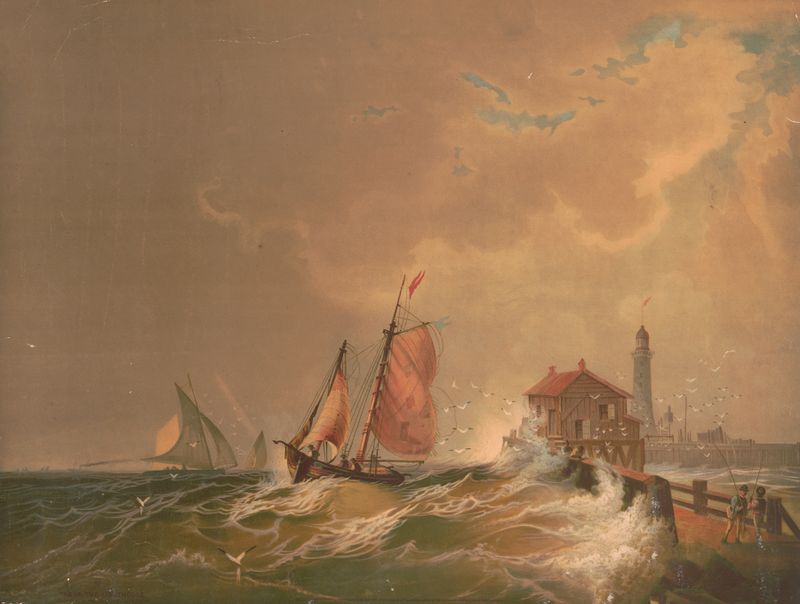
Near the lighthouse
Krebs Lith. Co
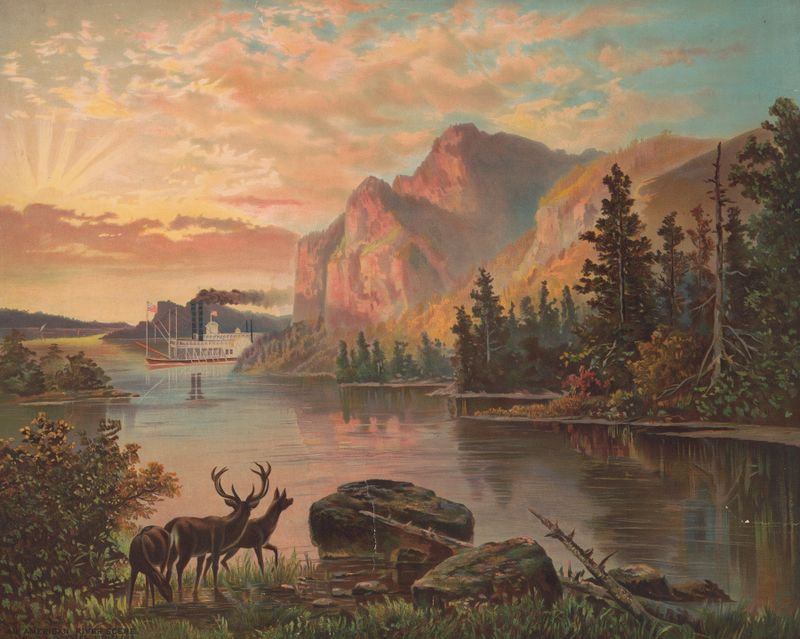
An American river scene
Krebs Lith. Co
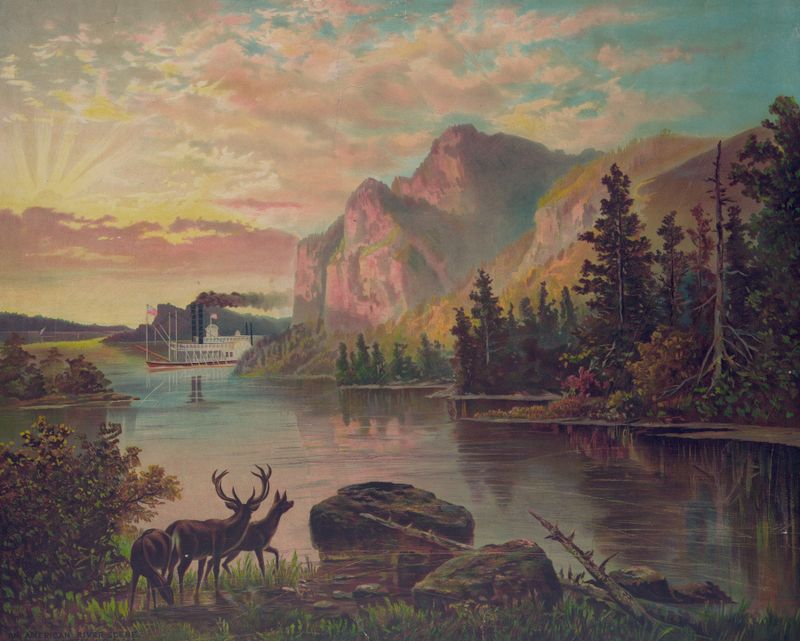
An American river scene
Krebs Lith. Co





