
Sleepy hollow — History & Facts
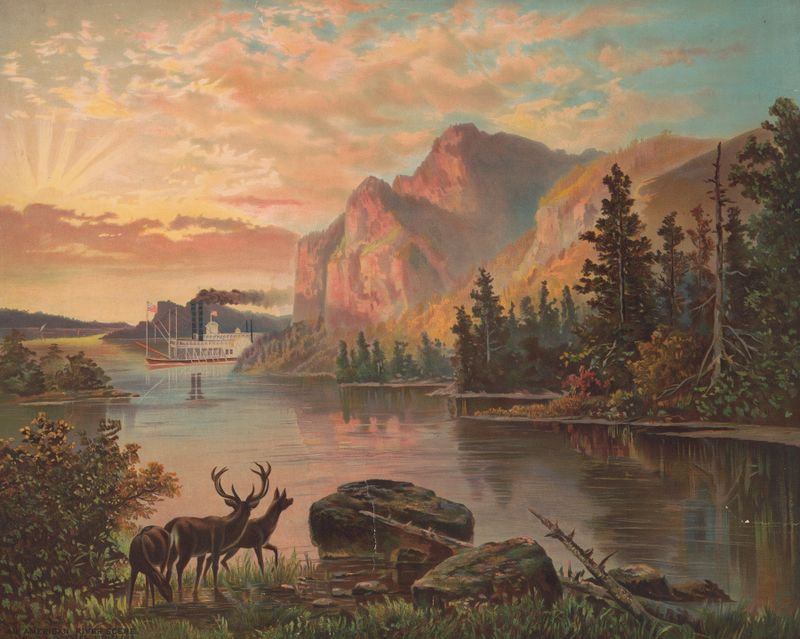
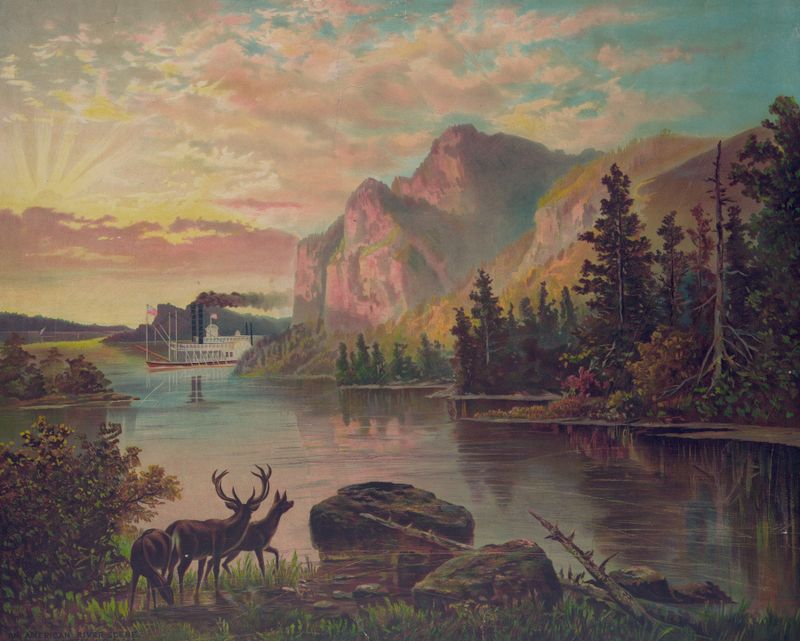
In a world where memories fade like wisps of smoke, capturing truth becomes an act of defiance against the inevitable passage of time. Look closely at the undulating landscape; immediate attention is drawn to the tranquil waters reflecting the serene sky. The gentle brushstrokes convey a sense of calm, while the soft greens and browns create a harmonious palette that invites contemplation. The distant trees stand like sentinels, framing the scene and guiding the eye deeper into the serene depths of this quiet hollow. Beneath the surface tranquility lies a poignant dichotomy.
The peacefulness of the landscape contrasts sharply with the ominous shadows that creep along the edges, hinting at untold stories just beyond view. Moreover, the meticulous details of the foliage whisper of life and vitality, yet they also evoke a sense of nostalgia for moments long gone. It’s a delicate balance between presence and absence, celebrating both the beauty of the moment and the inevitability of change. In 1881, during a time of great change in American art, the Krebs Lith.
Co created Sleepy Hollow, blending romanticism with emerging impressionistic techniques. This period marked a transition, with artists seeking to capture not just the visual world but also the emotional resonance of their surroundings. The company was known for its detailed prints and illustrations, and this piece reflects a growing interest in depicting the idyllic, yet fleeting, moments of rural beauty.
More Artworks by Krebs Lith. Co
Browse all →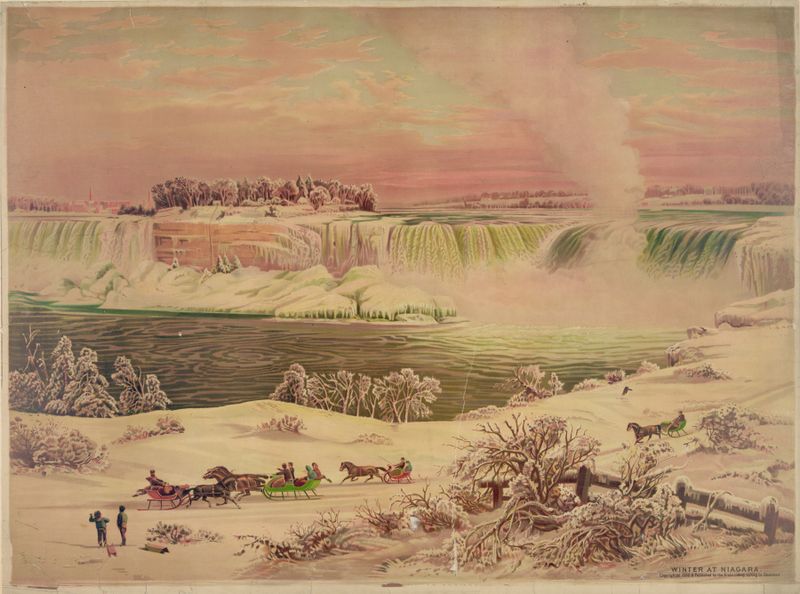
Winter at Niagara
Krebs Lith. Co
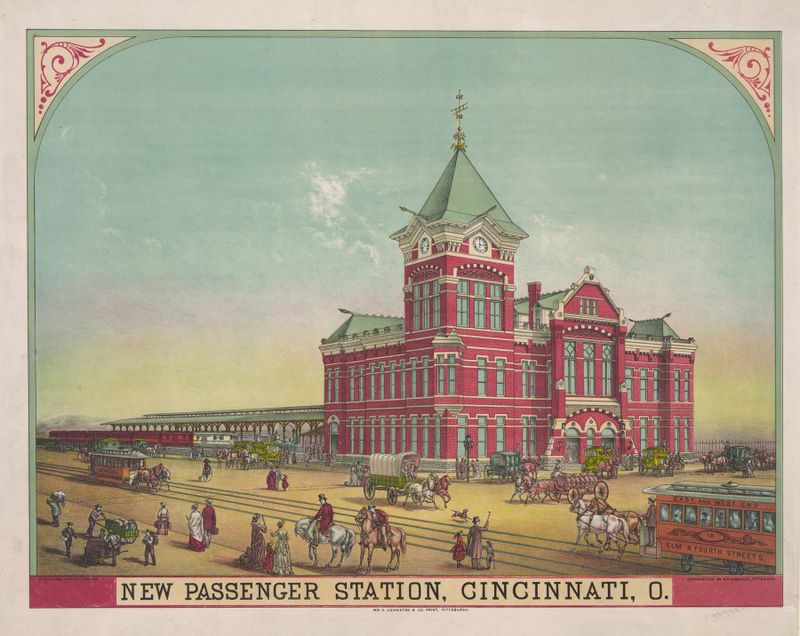
New passenger station, Cincinnati, O.
Krebs Lith. Co
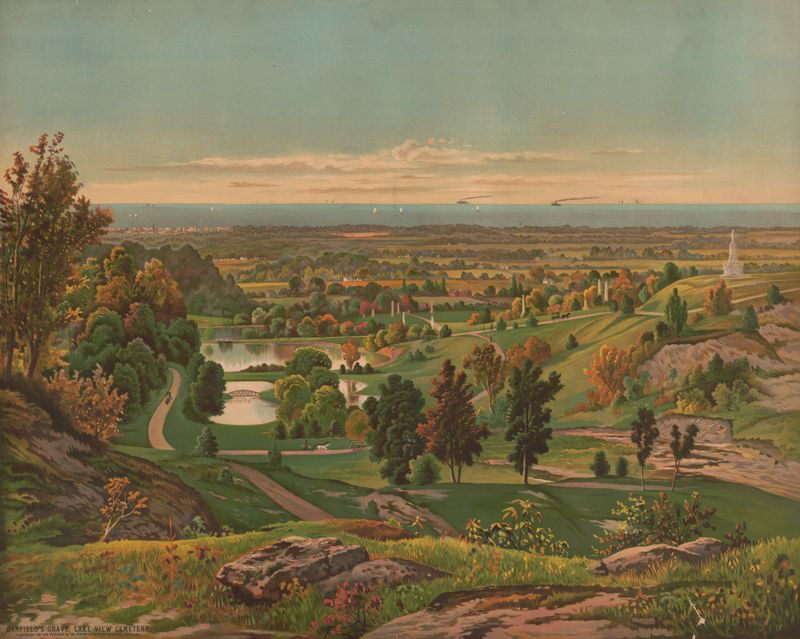
Garfield’s grave, Lakeview Cemetery
Krebs Lith. Co
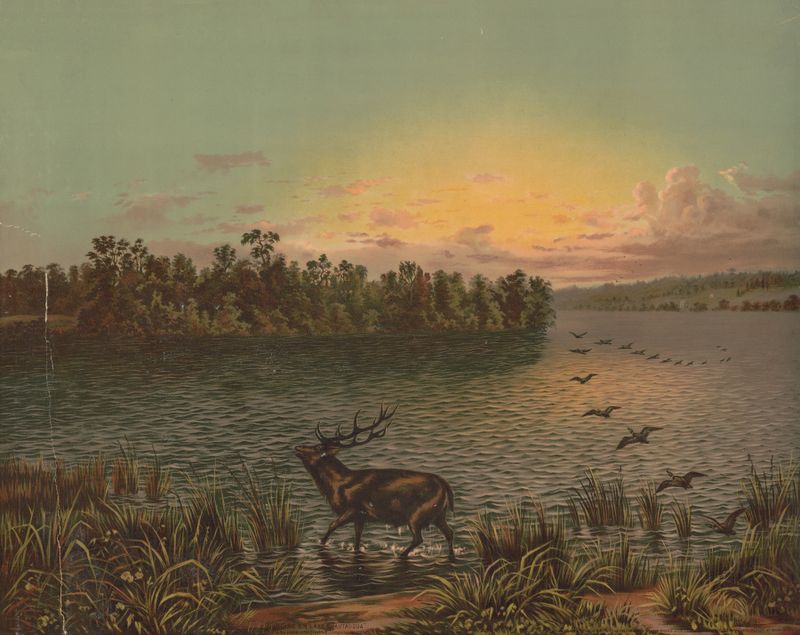
Sunrise on Lake Chautauqua
Krebs Lith. Co
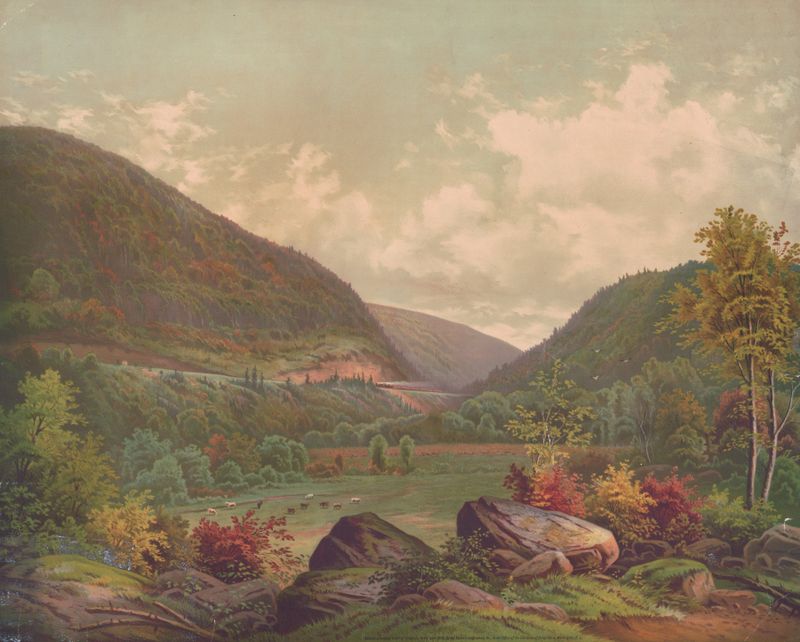
Autumn in the Alleghenies (horse shoe bend)
Krebs Lith. Co
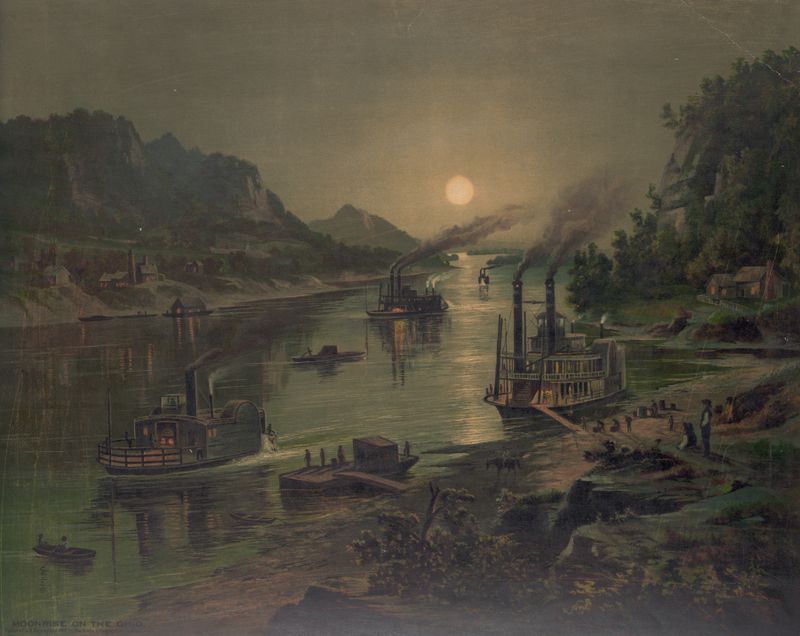
Moonrise on the Ohio
Krebs Lith. Co
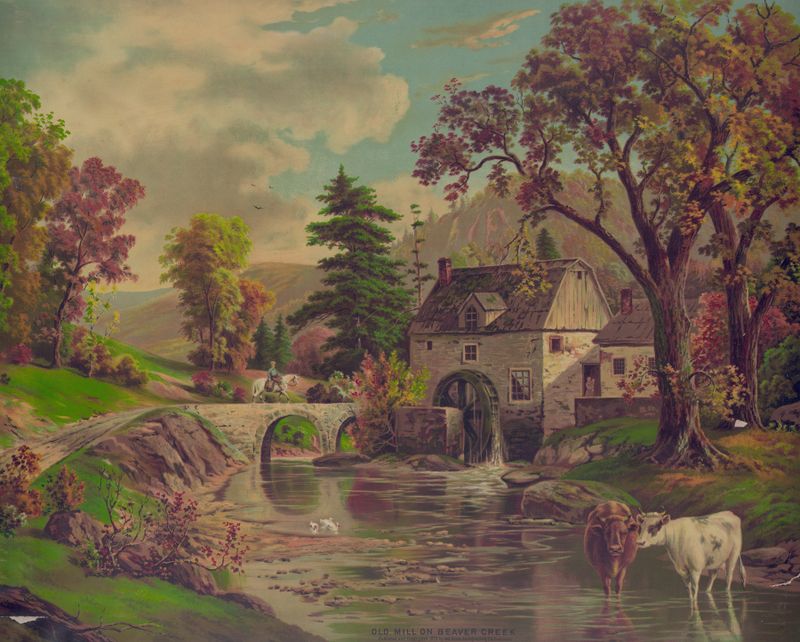
Old mill on Beaver Creek
Krebs Lith. Co
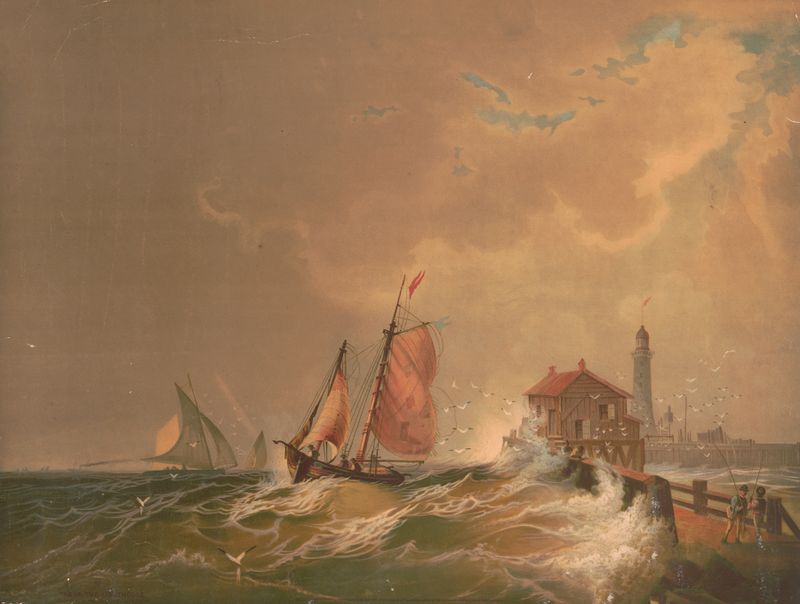
Near the lighthouse
Krebs Lith. Co
An American river scene
Krebs Lith. Co
An American river scene
Krebs Lith. Co





