
Gasteinertal — History & Facts
Can beauty exist without sorrow? In Gasteinertal, a tender interplay between light and shadow invites viewers to ponder this question in the serene embrace of the Austrian landscape. Look to the center, where gentle hills rise and fall, bathed in the soft golden hues of late afternoon. The light dances across the verdant valleys, transforming each blade of grass into a brushstroke of sunlight. Notice how the clouds drift lazily above, their pastel tones harmonizing with the earthy palette of greens and browns.
The meticulous brushwork creates a palpable atmosphere, evoking the stillness of nature as if time has paused to reflect. Yet, within this idyllic scene lies an undercurrent of melancholy. The distant mountains, rendered with a hint of blue-gray, loom like ancient sentinels, suggesting both permanence and isolation. Each winding path fades into the horizon, a metaphor for life’s journey filled with both promise and uncertainty.
The interplay of light and shadow creates depth, hinting at hidden struggles beneath the surface beauty, as if the landscape itself carries the weight of its own history. In the period from 1850 to 1860, Anton Hansch painted Gasteinertal while immersed in the Romantic movement, which sought to elevate nature’s grandeur and emotional resonance. Living in Austria amidst a growing appreciation for landscape painting, Hansch captured the essence of his surroundings during a time when artists were increasingly drawn to express the sublime beauty of the natural world, along with its inherent complexities.
More Artworks by Anton Hansch
Browse all →
Eiger Mönch Jungfrau
Anton Hansch

Partie vom Hintersee mit Mühlsturzhorn (Bayern)
Anton Hansch

Blick Auf Den Gardasee (Lake Garda)
Anton Hansch

A Mountain Landscape With A Smithy
Anton Hansch

A Mountain Torrent
Anton Hansch
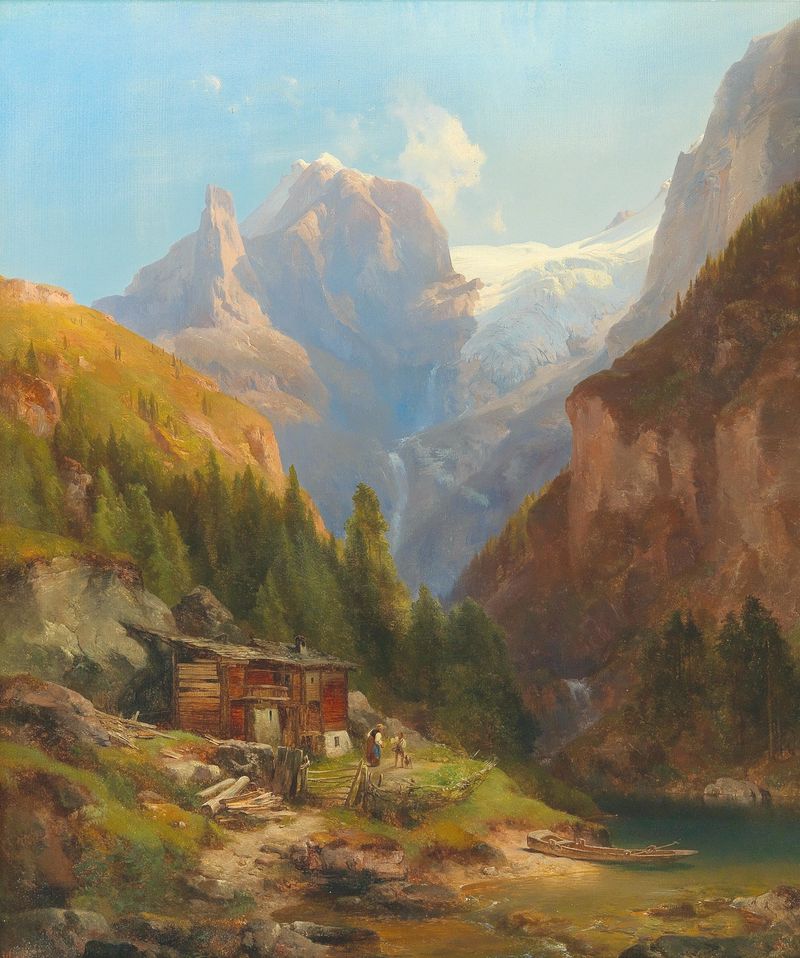
Blick Auf Den Goldeck Kees
Anton Hansch

Der Großglockner
Anton Hansch

A View of the Gurgler Eissee in the Ötztal Alps, Tyrol
Anton Hansch
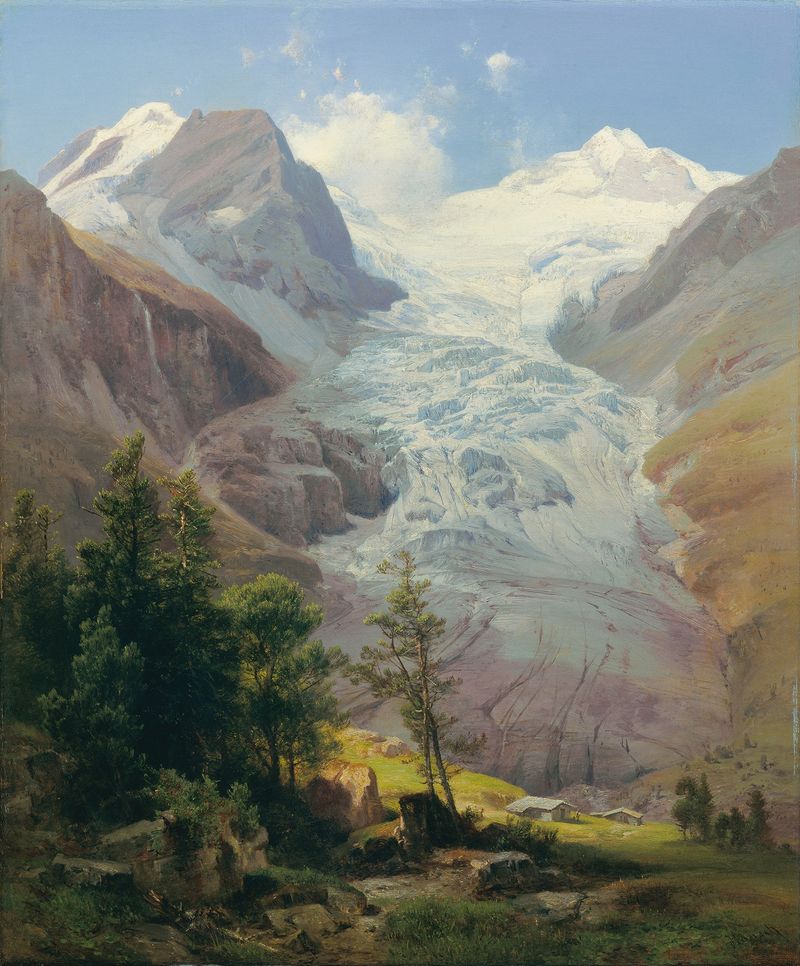
Der Palügletscher
Anton Hansch
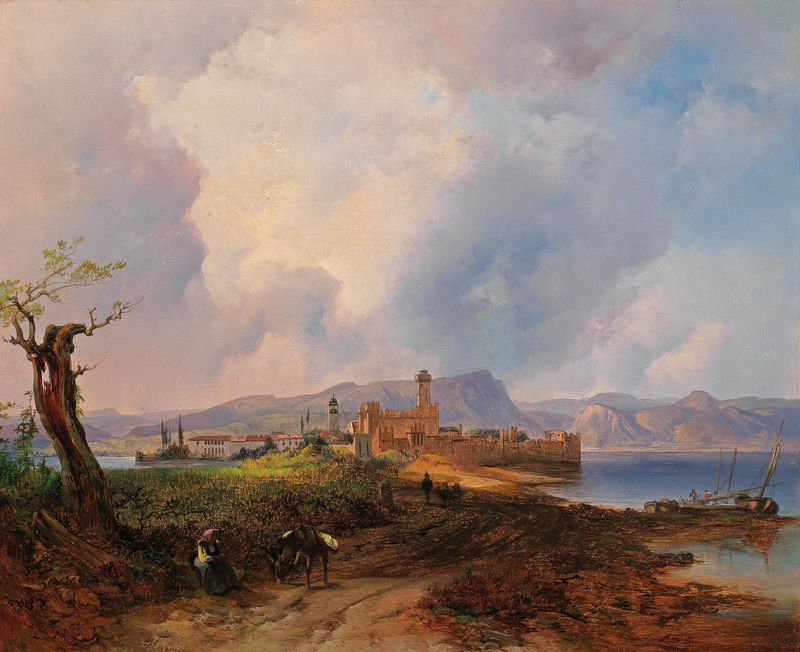
Sirmione
Anton Hansch





