Gathering The Flock — History & Facts
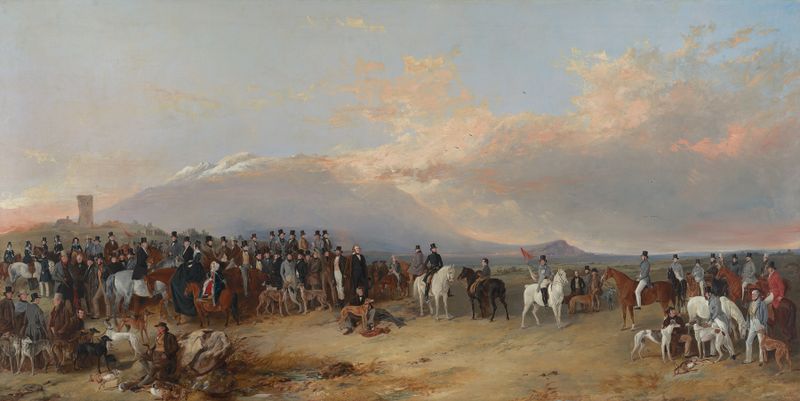
In the heart of loss, the act of capturing the intangible—grief—can unveil profound beauty. Focus your gaze on the central figure, a shepherd, cloaked in the warm tones of earth and sky. Notice how the folds of his garment cascade around him, softening the harsh contours of the landscape. To the left, a flock of sheep meanders, their white wool contrasting starkly against the muted browns and greens.
Light dances across the scene, creating pockets of warmth, inviting you to linger and appreciate the gentle connection between man and nature. As you absorb the details, consider the emotional undertones. The shepherd’s downcast gaze and the sheep’s serene oblivion evoke a poignant contrast: the weight of responsibility against the innocence of the flock. This is not merely a gathering; it is a moment steeped in silent reflection.
The tranquil setting belies an undercurrent of loss, hinting at the quiet burden the shepherd carries as he tends to his flock amidst life’s inevitable cycles of departure. In 1870, Richard Ansdell painted this piece during a time of personal and artistic transition. He was living in England, grappling with the complexity of his role as both an animal painter and a storyteller. The period saw a growing appreciation for realism in art, a movement that mirrored the changing societal attitudes toward nature and domesticity.
Gathering his experiences and observations, Ansdell rendered a scene where grief harmonizes with duty, transforming a moment into an eternal reflection.