
Geloof (Fides) — History & Facts
What if beauty was never meant to be finished? In Hans Sebald Beham's Geloof (Fides), the fragile essence of faith is captured in a moment suspended between the sacred and the ephemeral. The delicate lines and soft contours evoke a tender vulnerability, inviting viewers to ponder the transient nature of belief itself. Focus your gaze on the central figure, a woman cradling a book in her hands, the embodiment of devotion. Notice how the light delicately illuminates her visage, casting a gentle glow that highlights the intricate details of her garment.
The muted palette enhances the sense of introspection, while subtle shading creates depth, giving her a lifelike presence. Each stroke breathes life into the paper-thin division between the earthly and the divine. Contrasts abound in this piece; the solidity of her form juxtaposes the ethereal quality of the background, implying that faith is both grounded and elusive. The symbolism of the open book suggests a journey of knowledge intertwined with personal struggle, revealing the tension between understanding and uncertainty.
This visual dialogue speaks to the fragility of faith—a deeply personal yet universally shared experience. In 1539, Beham created this work during a time when the Reformation was reshaping religious thought across Europe. Living in Nuremberg, he was influenced by the shifting cultural landscape, where the exploration of individual belief was emerging as a powerful theme in art. This painting reflects his response to the era, capturing both the beauty and fragility of faith amidst a world in flux.
More Artworks by Hans Sebald Beham
Browse all →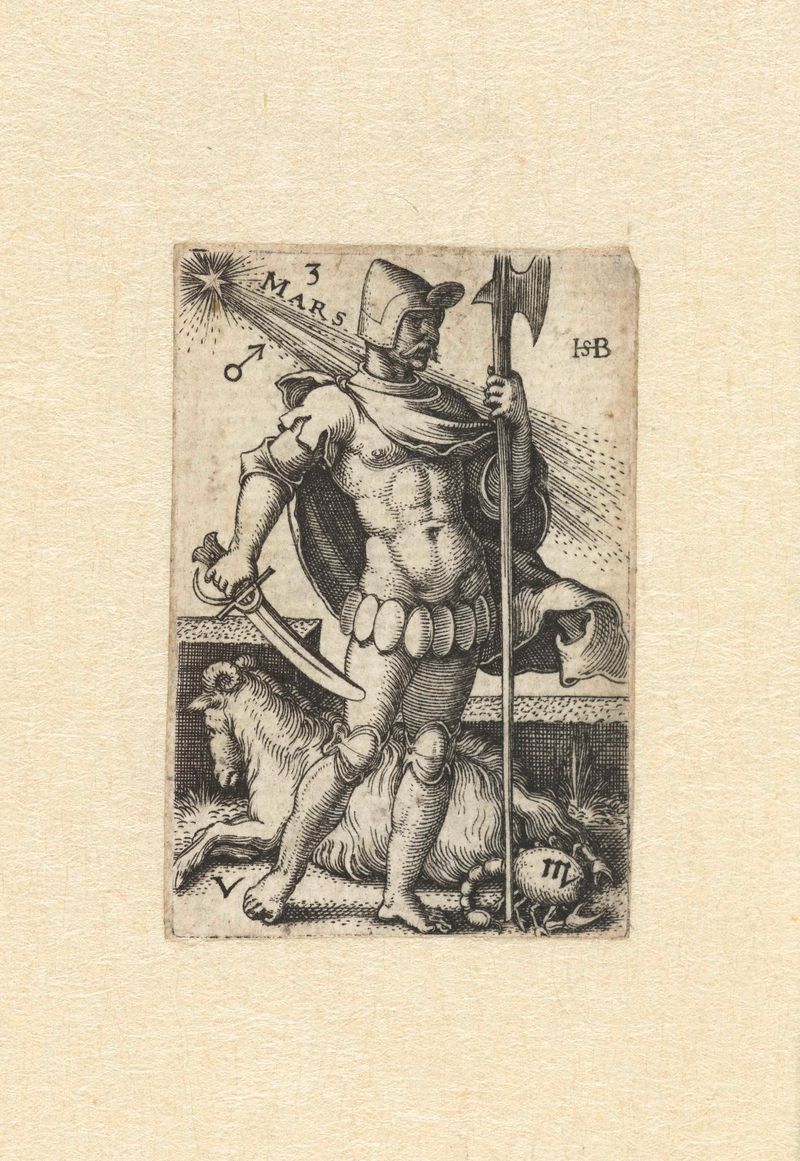
Mars met sterrenbeelden Ram en Schorpioen
Hans Sebald Beham

Achilles in gevecht met Hector
Hans Sebald Beham
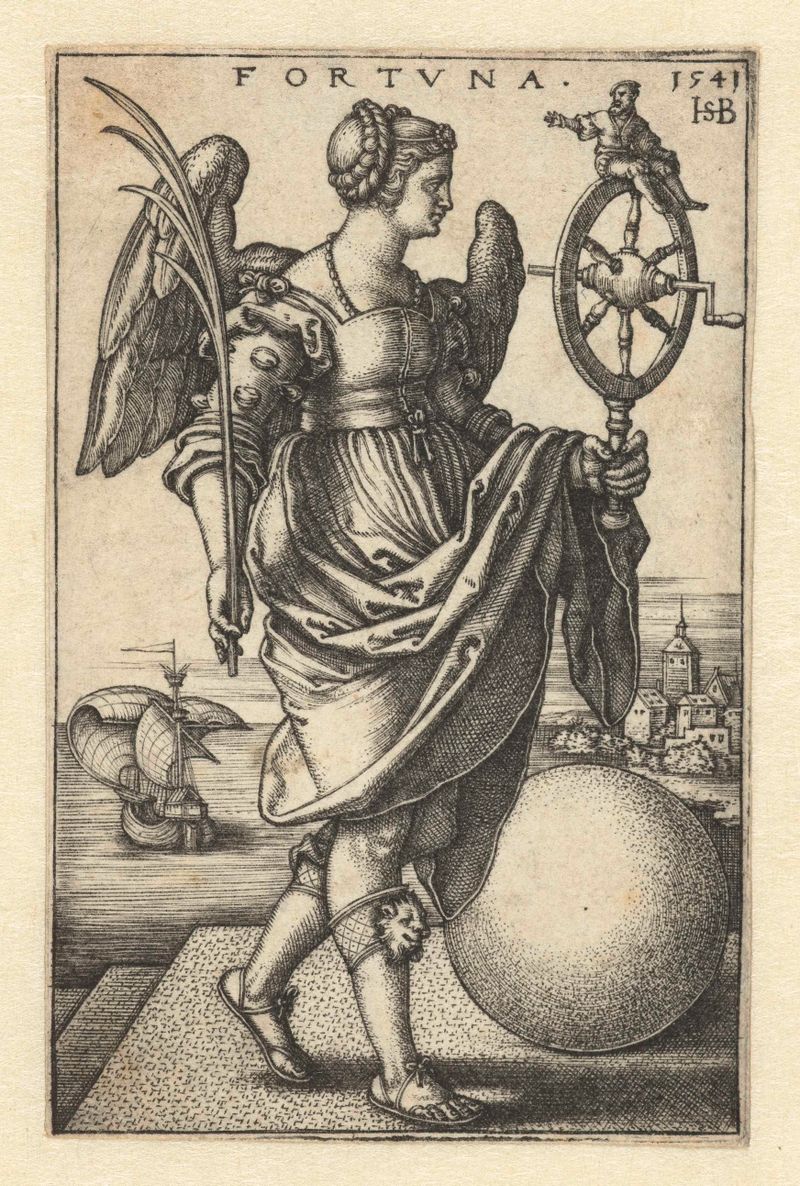
Fortuna
Hans Sebald Beham

Hercules worstelt met Antaeus
Hans Sebald Beham

Twee muzikanten met schalmey en doedelzak
Hans Sebald Beham

Voorzichtigheid (Prudentia)
Hans Sebald Beham

Hercules in gevecht met de Trojanen
Hans Sebald Beham
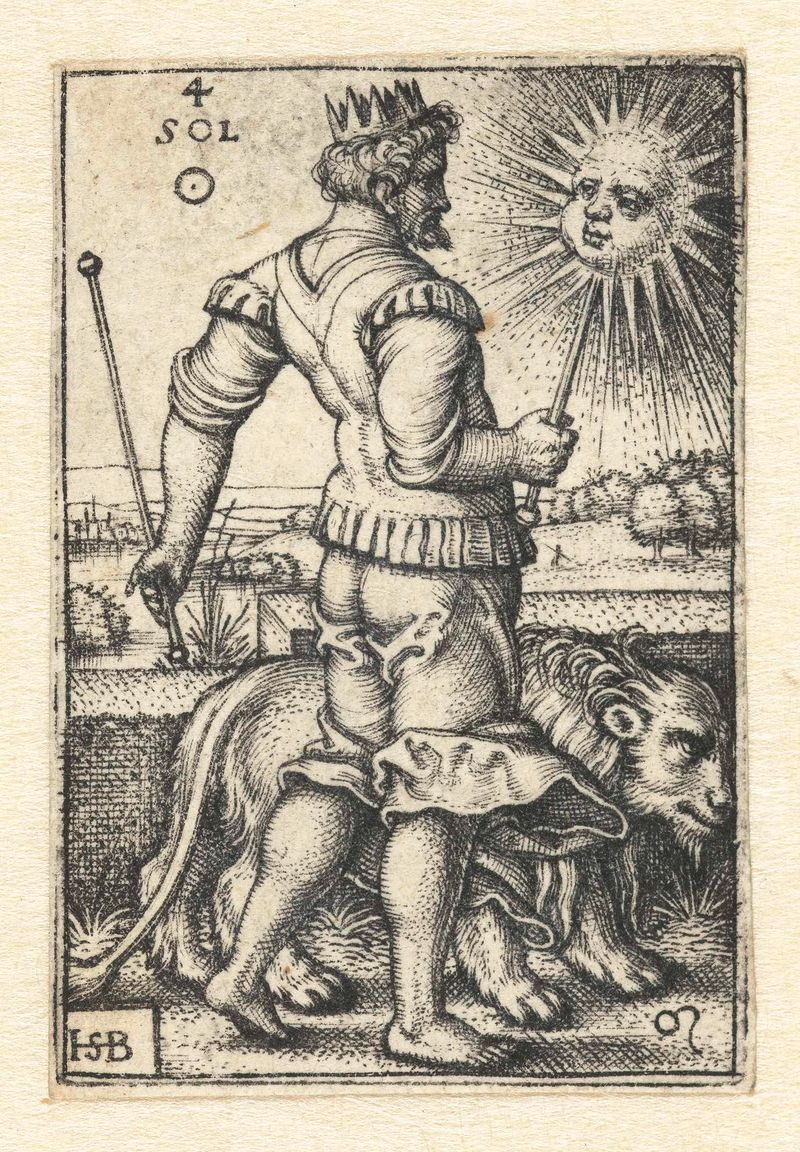
Apollo (Sol) met sterrenbeeld Leeuw
Hans Sebald Beham
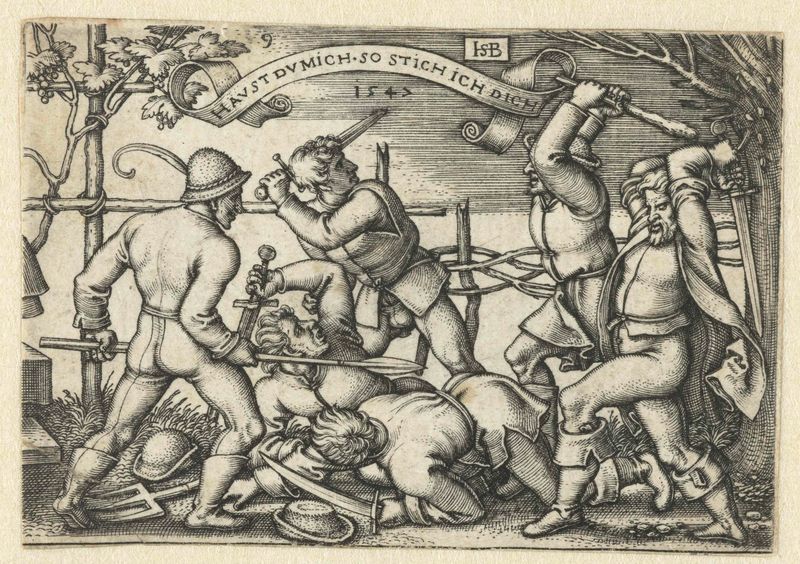
Vechtende boeren met zwaarden
Hans Sebald Beham
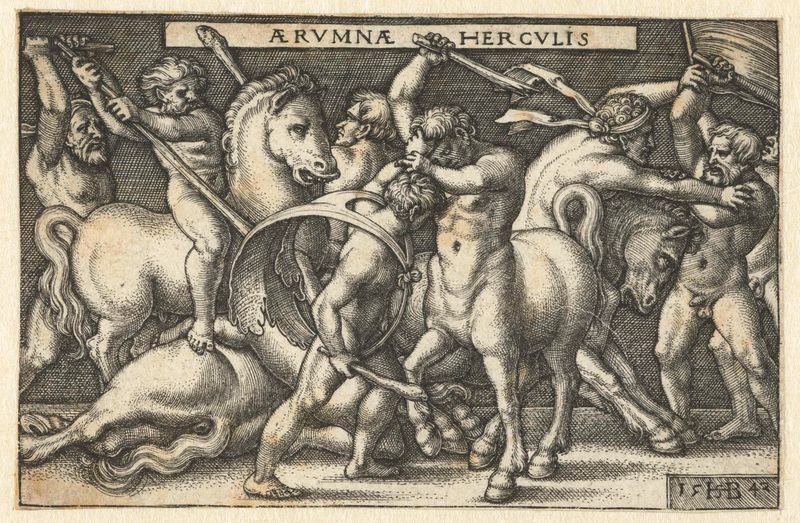
Hercules in gevecht met centaurs
Hans Sebald Beham
More Religious Art
Browse all →
The Return of the Prodigal Son
Rembrandt van Rijn

The Garden of Earthly Delights
El Bosco

Count Orgaz’ funeral
El Greco

The Hundred Guilder Print: the central piece with Christ preaching, the plate arched
Rembrandt van Rijn

The Descent from the Cross
Rogier van der Weyden

The return of the prodigal son
Rembrandt van Rijn