Gezicht in een boerendeel — History & Facts
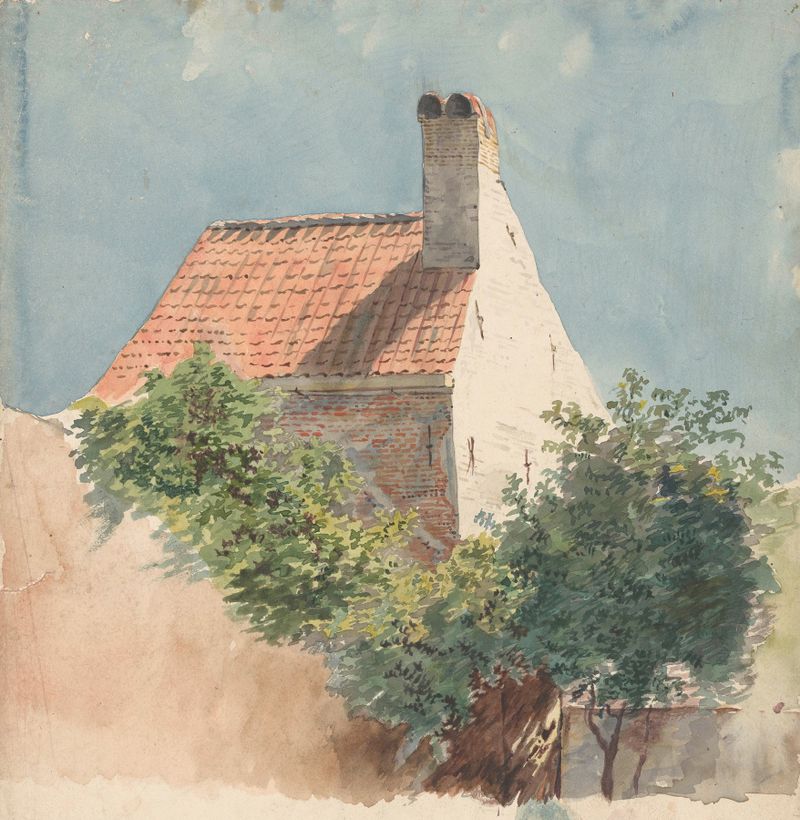
Did the painter know this moment would outlive them? In Gezicht in een boerendeel, the essence of a quiet rural life beckons with an irresistible yearning that transcends time and space. Focus on the horizon, where golden fields blend seamlessly into a soft, azure sky. The gentle brushstrokes create a rhythm of nature, inviting the viewer’s eye to wander through the lush greenery and the quaint farmhouse nestled within the landscape. Notice how the light falls upon the farmer, casting elongated shadows that stretch across the terrain, imbuing the scene with both warmth and serenity.
The muted palette of earthy tones evokes a sense of nostalgia, echoing the simplicity of agrarian life. Beneath the surface, there exists a poignant contrast between labor and leisure. The farmer’s toil is palpable, yet there’s a stillness in the air that speaks of aspirations and dreams, of seasons passed and seasons yet to come. This delicate balance between effort and tranquility invites contemplation, as if the viewer is caught in a moment suspended between the past and the future.
The scattered clouds hint at change, while the unfurling fields symbolize fertility and potential, a quiet promise of continuity. Hendrik van der Burgh painted this piece during a period of profound transformation in the Netherlands, around the early 19th century. He was deeply influenced by the Romantic movement, which sought to capture the beauty of nature and the human experience. The agricultural focus reflects the era's embrace of rural life, set against a backdrop of urbanization that was rapidly reshaping society.
In his work, van der Burgh captures not just a scene, but a sentiment — an enduring longing for connection to the natural world.