
Gezicht op de Ponte Molle te Rome — History & Facts
When did color learn to lie? The vivid hues of a sunset can evoke joy or sorrow, masking the loss that lingers beneath their surface, transforming memory into a canvas of emotion. Look to the center of the composition where the Ponte Molle arches elegantly over the shimmering waters of the Tiber. The bridge, with its warm stone tones, draws the eye, yet it is the reflection in the river that captures the heart, distorting the reality above with swirls of color that hint at deeper truths. Notice how the sky fades from brilliant golds to muted blues, a gradient that suggests both the promise of a new day and the inevitability of endings. The juxtaposition of natural beauty and human architecture speaks to the transient nature of existence.
The figures moving across the bridge, small and distant, seem insignificant against the vastness of the landscape, inviting contemplation of the passage of time and the stories left untold. The delicate interplay of light and shadow reveals an emotional tension—an invitation to remember what has been lost, overshadowed by the beauty that remains. Created between 1663 and 1736, this work emerged during a period when Gaspar Van Wittel was deeply immersed in the art of vedute, or detailed cityscapes, in Rome. Capturing the essence of the Eternal City, he navigated the shifting tides of his era, where the Baroque style was giving way to the more restrained aesthetic of the Rococo.
This was a time of personal and artistic exploration for Van Wittel, as he sought to balance realism with the poetic beauty of his surroundings.
More Artworks by Gaspar Van Wittel
Browse all →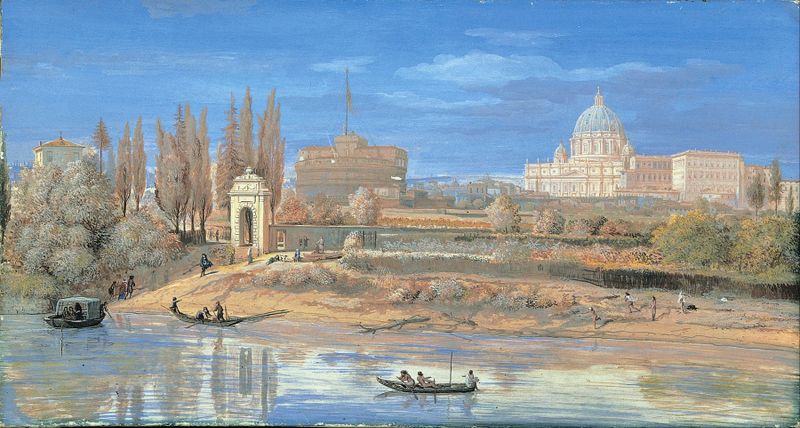
View of the Castel Sant’Angelo and the Vatican seen from Prati di Castello
Gaspar Van Wittel
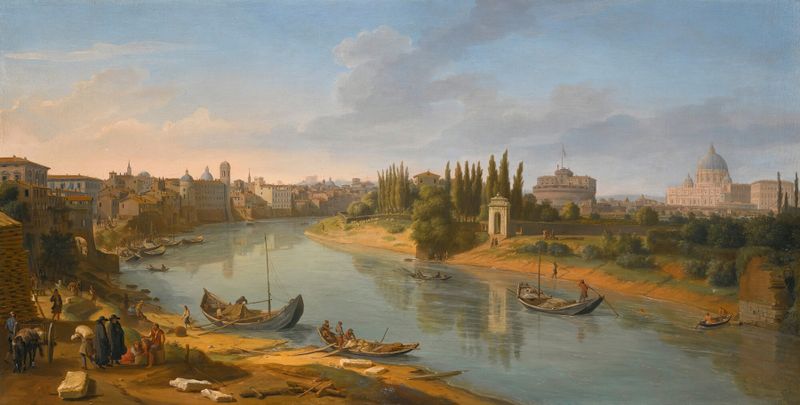
Rome, A View Of The River Tiber At The Porto Della Legna Looking Towards Castel Sant’Angelo, With Saint Peter’S Basilica In The Distance
Gaspar Van Wittel

The Port of Messina
Gaspar Van Wittel

View Of The Campo Vaccino With The Arch Of Septimius Severus
Gaspar Van Wittel
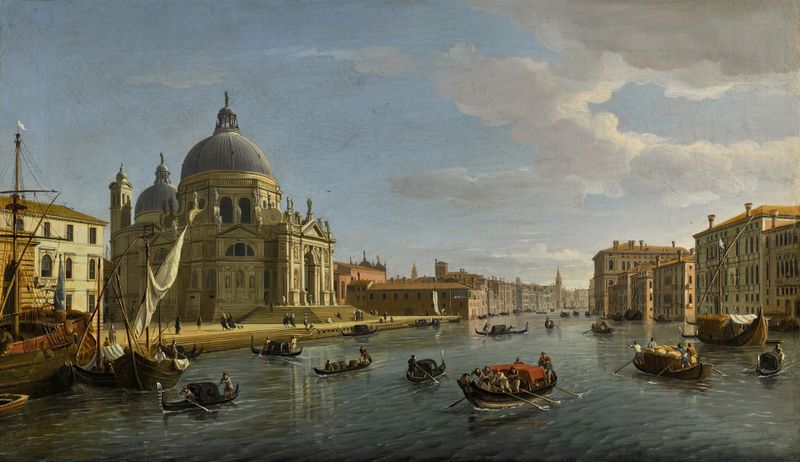
Venice, Santa Maria della Salute and the entrance to the Grand Canal
Gaspar Van Wittel
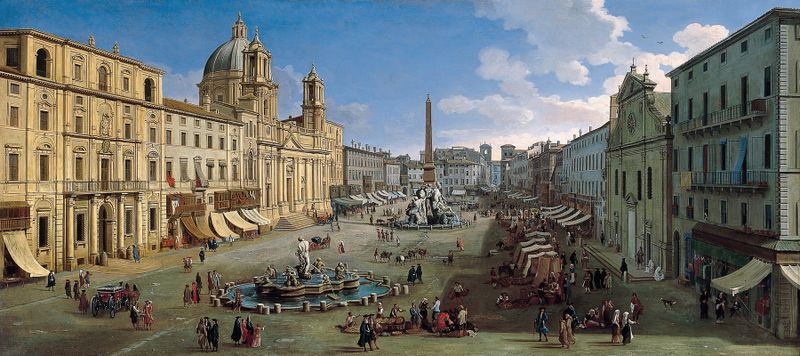
Piazza Navona, Rome
Gaspar Van Wittel
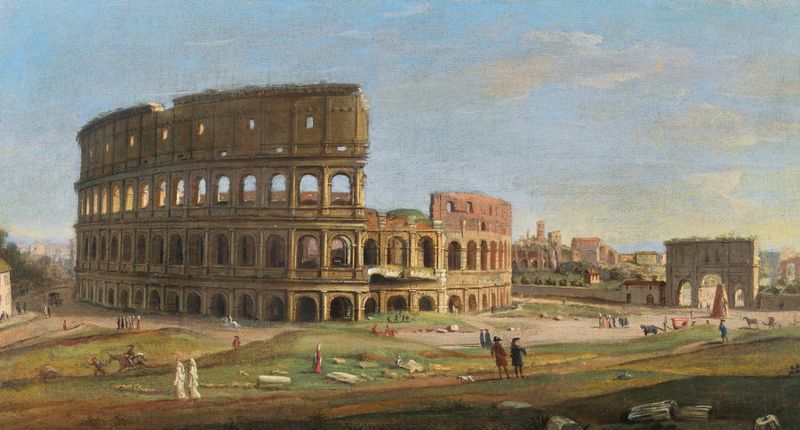
Colosseum
Gaspar Van Wittel
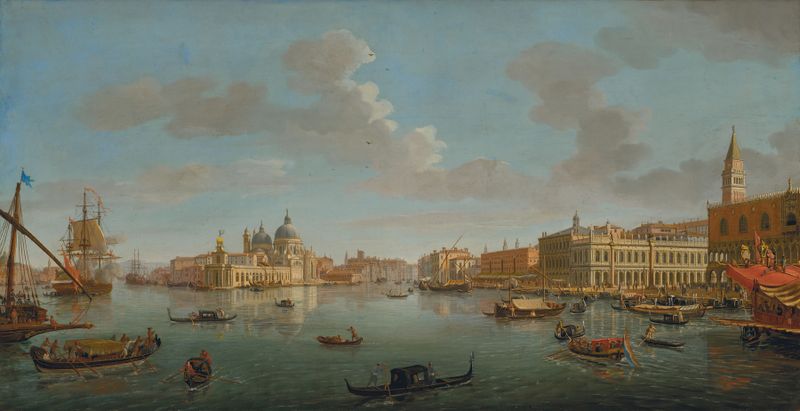
The Molo, Venice, looking West towards the entrance of the Grand Canal
Gaspar Van Wittel
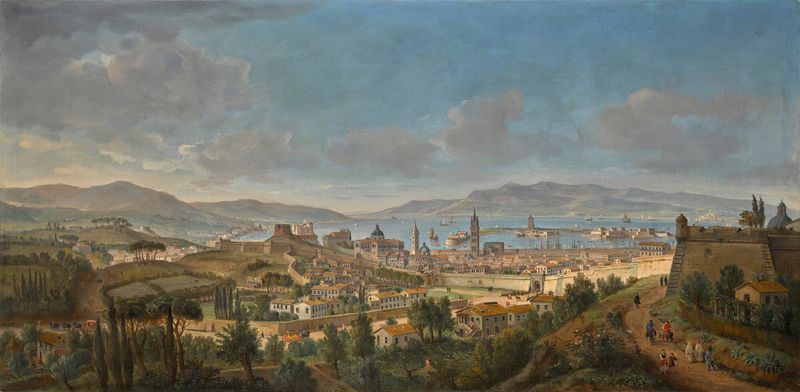
Messina, A Panoramic View Of The City Towards The Sea From The Colle Del Tirone
Gaspar Van Wittel
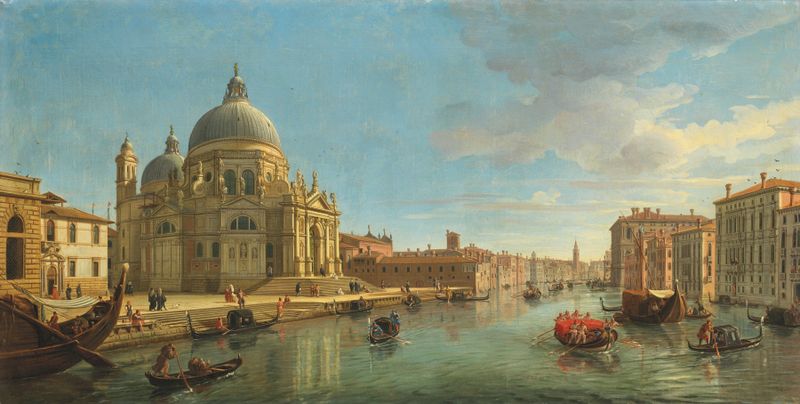
View of Santa Maria della Salute, Venice, from the entrance of the Grand Canal
Gaspar Van Wittel





