
The Port of Messina — History & Facts
In the quiet of a harbor, reflections dance upon the water's surface, a realm where silence speaks volumes and every glance invites contemplation. Focus on the tranquil bay nestled under a soft, luminous sky, a world captured with masterful detail and light. The gentle hues of blue and ochre blend seamlessly, drawing you toward the distant ships that lie anchored like still thoughts. Notice how the sunlight kisses the buildings along the coastline, illuminating their façades while casting delicate shadows that whisper of daily lives unseen.
The meticulous brush strokes echo a careful observation of nature, where each element — from the rippling water to the puffy clouds above — awakens a serene harmony. Yet, amid this idyllic scene, there linger hidden tensions. The solitary figures dotting the shore evoke a sense of isolation, underscoring the fragile connection between humanity and the vastness of nature. The juxtaposition of the bustling harbor against the stillness of the water suggests a pause in time, a moment when the world holds its breath.
Here, the artist explores themes of solitude and reflection, encapsulated within an expanse that feels both alive and hauntingly quiet. In 1713, during a period of artistic awakening in Italy, the creator painted this piece in Messina, a city on the island of Sicily marked by its maritime culture. Van Wittel, known for his landscapes and urban views, was part of the burgeoning school of vedutismo, which sought to capture the beauty of the Italian landscape with precision. This work reflects not only his mastery of perspective but also his desire to immortalize the ephemeral nature of life at sea amidst a backdrop of transitional times in art and society.
More Artworks by Gaspar Van Wittel
Browse all →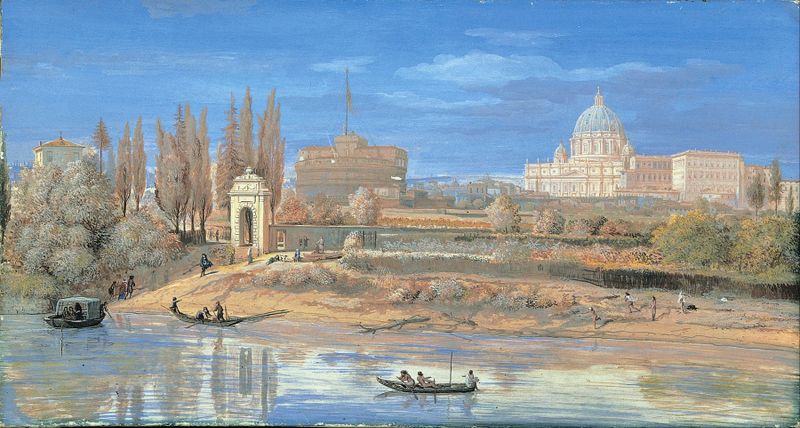
View of the Castel Sant’Angelo and the Vatican seen from Prati di Castello
Gaspar Van Wittel
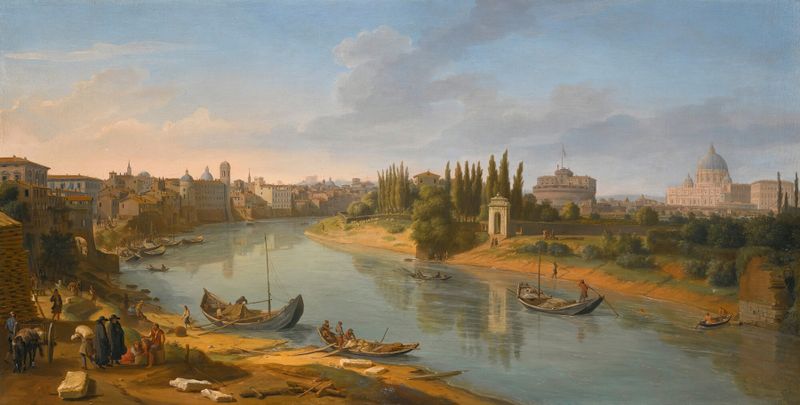
Rome, A View Of The River Tiber At The Porto Della Legna Looking Towards Castel Sant’Angelo, With Saint Peter’S Basilica In The Distance
Gaspar Van Wittel
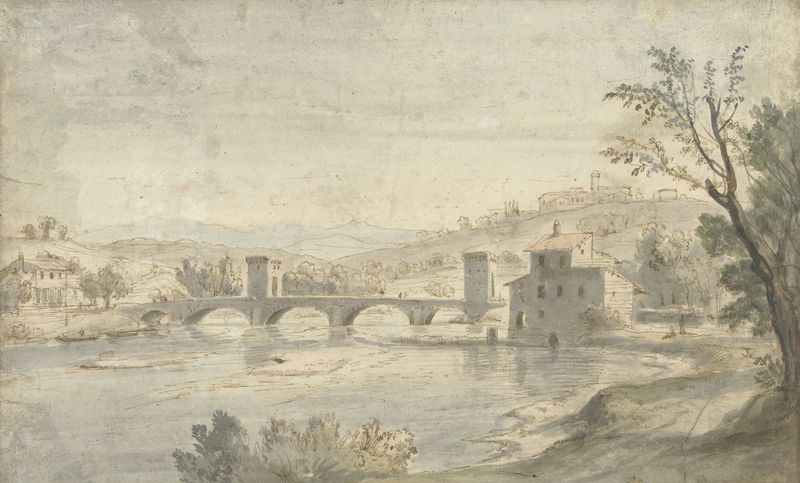
Gezicht op de Ponte Molle te Rome
Gaspar Van Wittel

View Of The Campo Vaccino With The Arch Of Septimius Severus
Gaspar Van Wittel
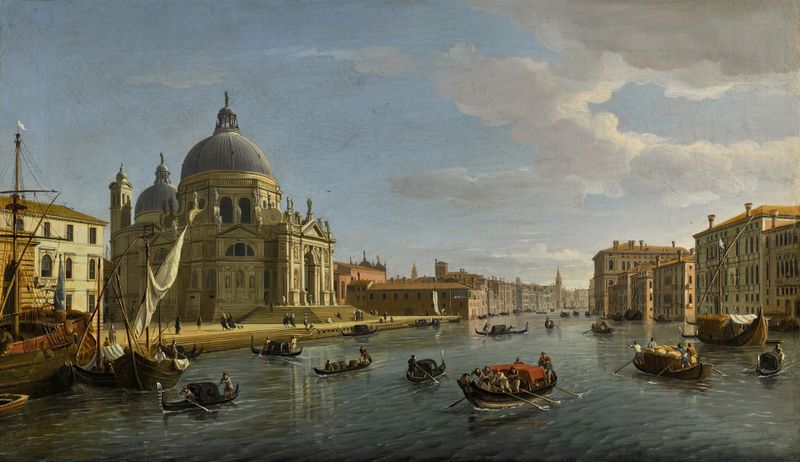
Venice, Santa Maria della Salute and the entrance to the Grand Canal
Gaspar Van Wittel
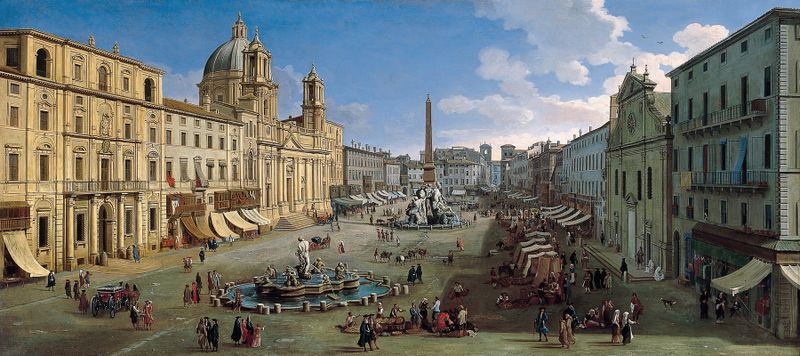
Piazza Navona, Rome
Gaspar Van Wittel
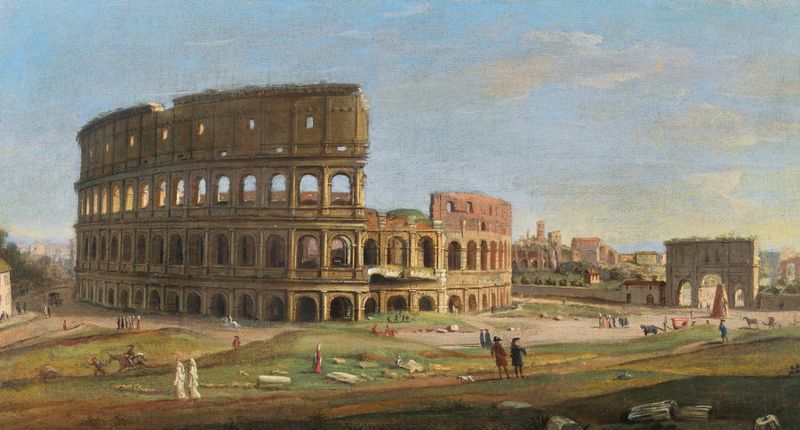
Colosseum
Gaspar Van Wittel
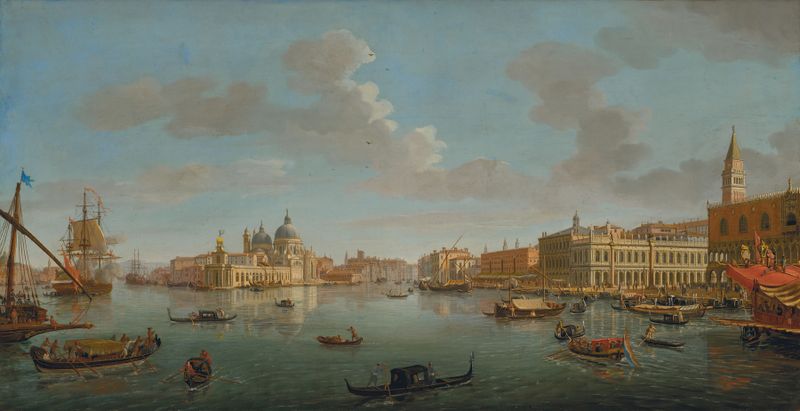
The Molo, Venice, looking West towards the entrance of the Grand Canal
Gaspar Van Wittel
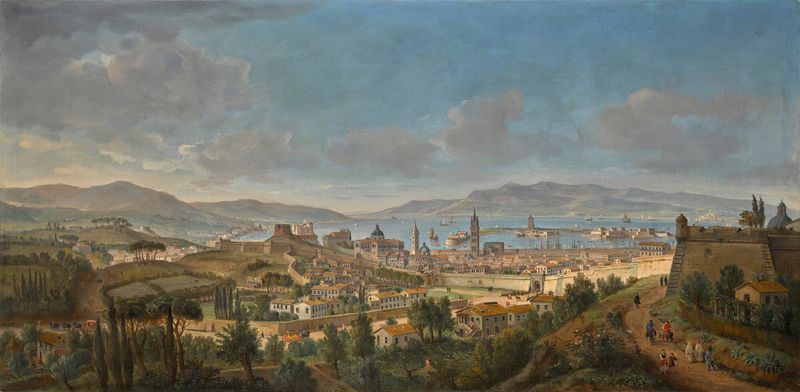
Messina, A Panoramic View Of The City Towards The Sea From The Colle Del Tirone
Gaspar Van Wittel
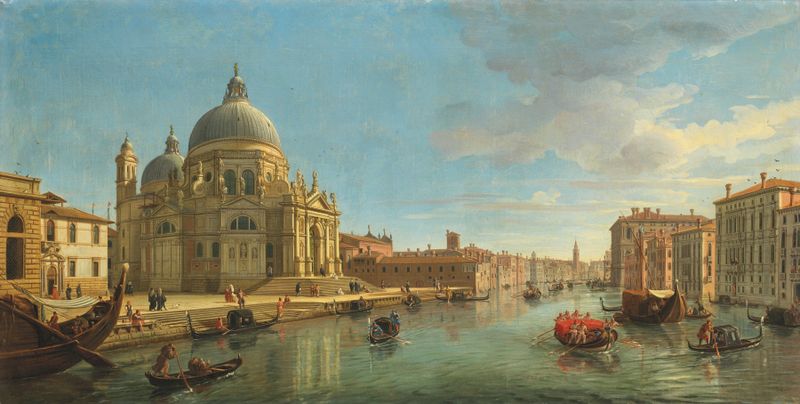
View of Santa Maria della Salute, Venice, from the entrance of the Grand Canal
Gaspar Van Wittel





