
Gezicht op de twee Blokhuizen in de Amstel — History & Facts
In the quiet moments between chaos and calm, the canvas breathes life into forgotten places and provides refuge for the spirit. Look to the left at the tranquil waters of the Amstel, where soft ripples reflect the delicate hues of dawn. The two Blokhuizen emerge majestically, their stoic presence grounded by the earthy palette of browns and greens. Notice how the light caresses the buildings, illuminating their textures while casting gentle shadows that dance on the water’s surface, creating a perfect harmony between nature and architecture. Beneath this serene surface lies a profound commentary on rebirth and resilience.
The sturdy houses symbolize shelter and continuity amidst the ebb and flow of time, while the shimmering water embodies the transient nature of existence. This juxtaposition invites contemplation on how life, like the river, continuously moves forward yet often reflects back on the past, hinting at stories untold beneath the calm façade. During the years 1651 to 1654, Reinier Nooms found himself immersed in the vibrant artistic milieu of the Dutch Golden Age, a period marked by both prosperity and innovation. Living and working in Amsterdam, he navigated the conflict between traditional views and the emerging influence of realism in art.
This work reflects his exploration of urban landscapes, capturing not just a scene, but the essence of a city finding its identity against the backdrop of change.
More Artworks by Reinier Nooms
Browse all →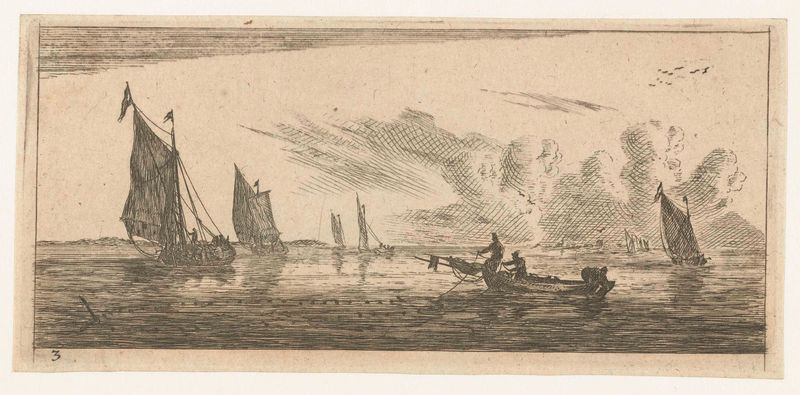
Zeegezicht met verschillende zeilschepen
Reinier Nooms
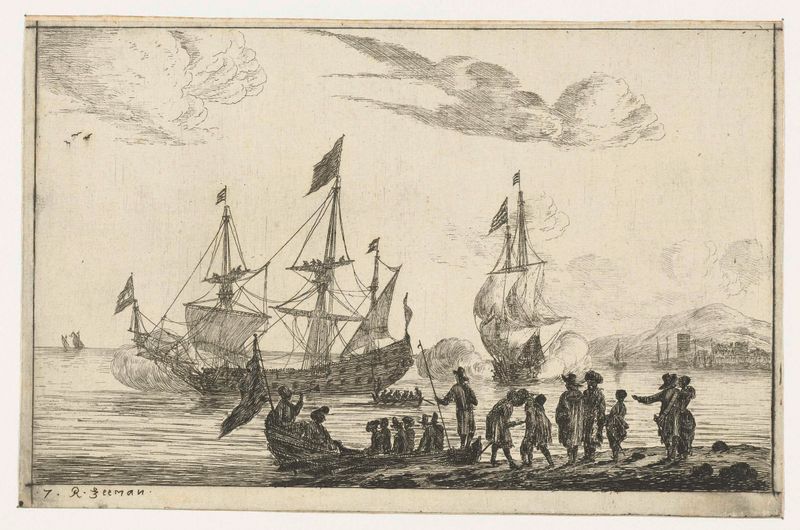
Havenscène met een spiegelsloep
Reinier Nooms
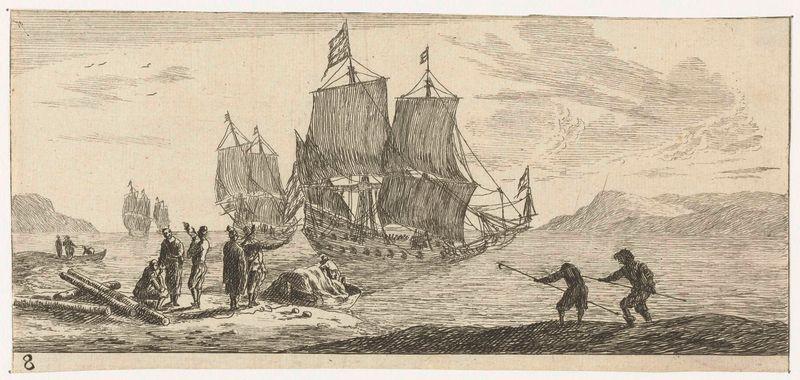
Vier grote zeilschepen in een baai
Reinier Nooms
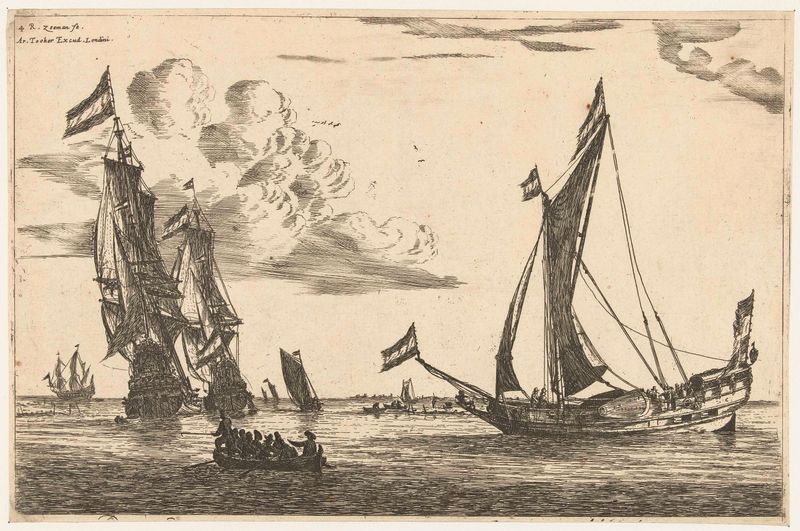
Twee oorlogsschepen en een jacht
Reinier Nooms
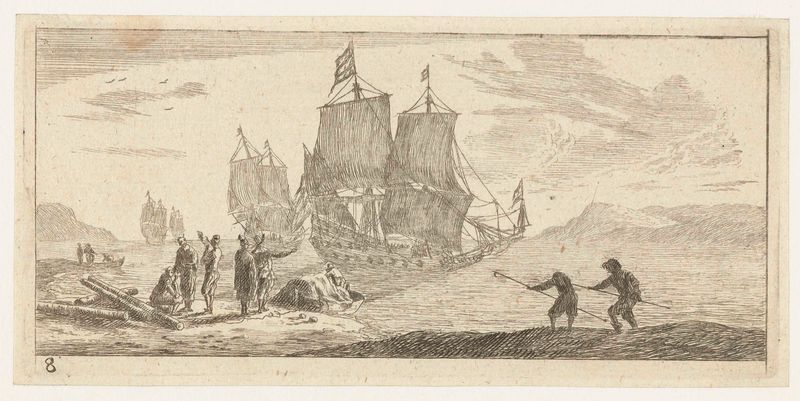
Vier grote zeilschepen in een baai
Reinier Nooms
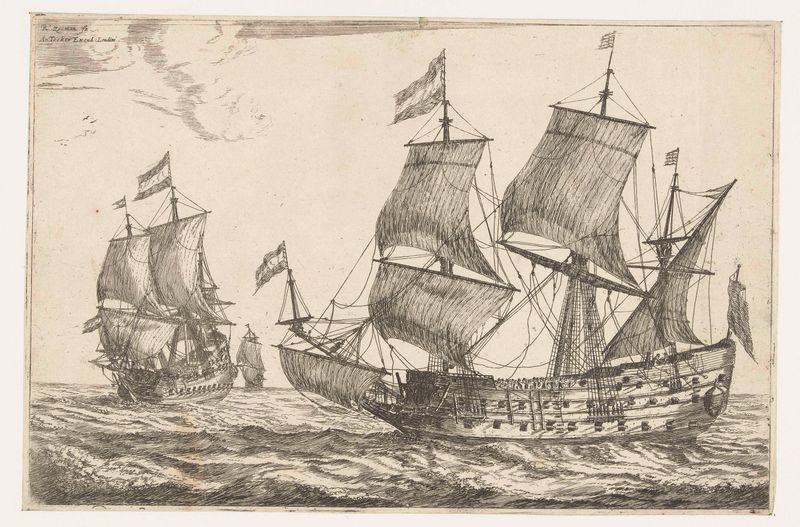
Twee grote oorlogsschepen
Reinier Nooms
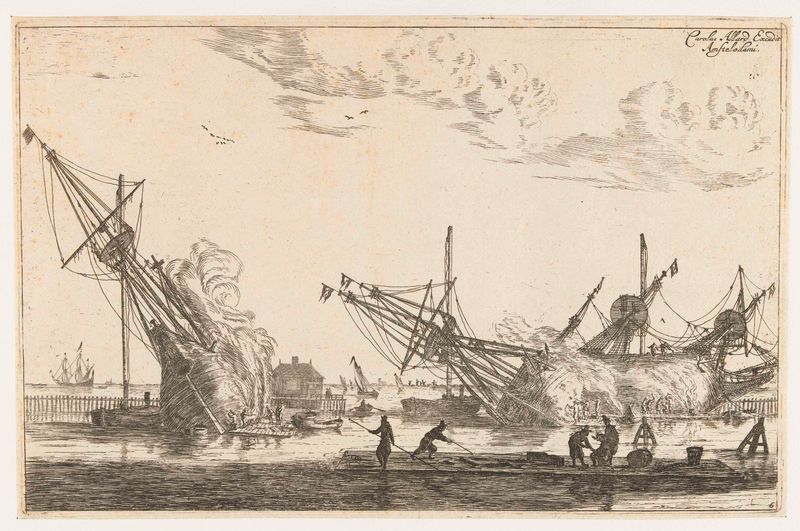
Waterdichtmaken van de rompen van drie fluitschepen
Reinier Nooms
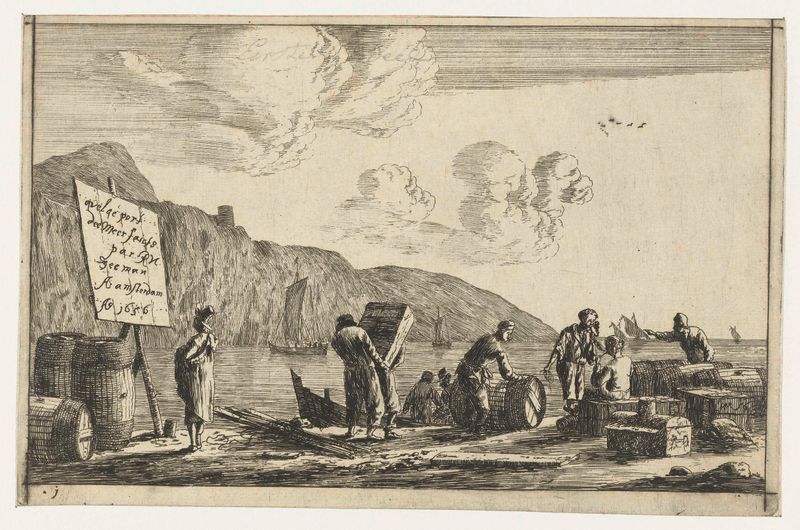
Zeelieden op een kade
Reinier Nooms
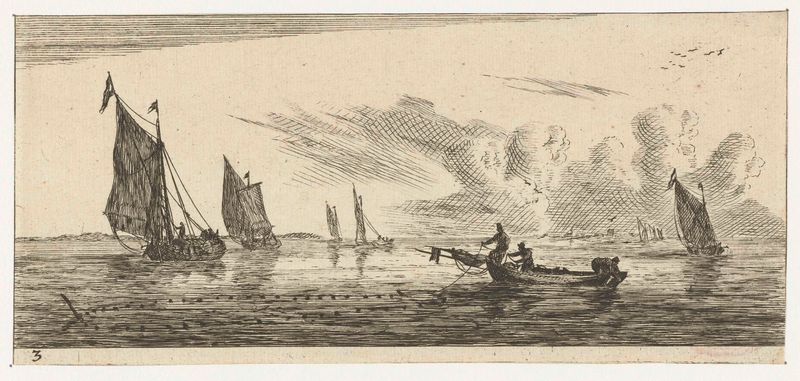
Zeegezicht met verschillende zeilschepen
Reinier Nooms
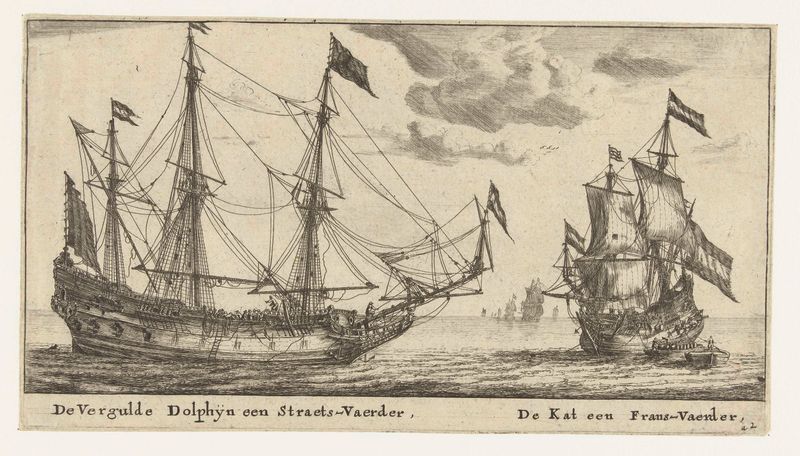
De schepen De Vergulde Dolfijn en De Kat
Reinier Nooms





