Gezicht op Den Haag — History & Facts
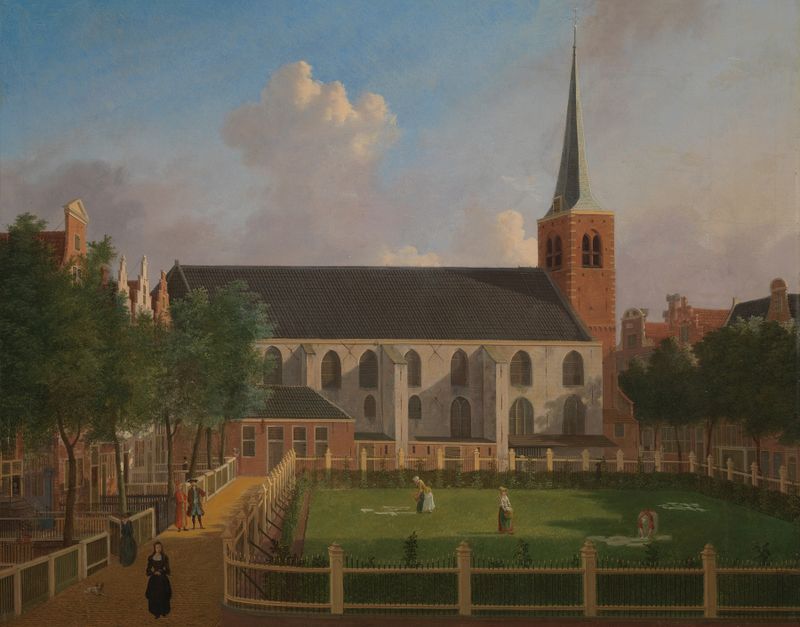
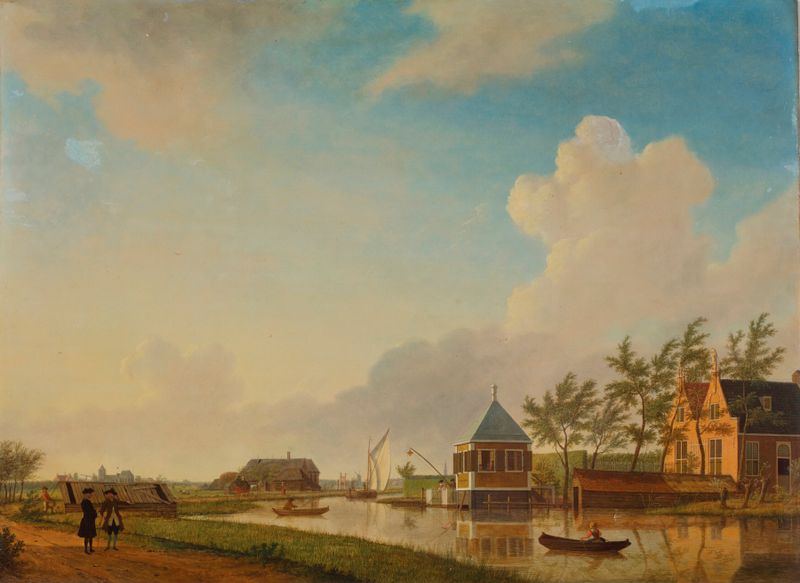
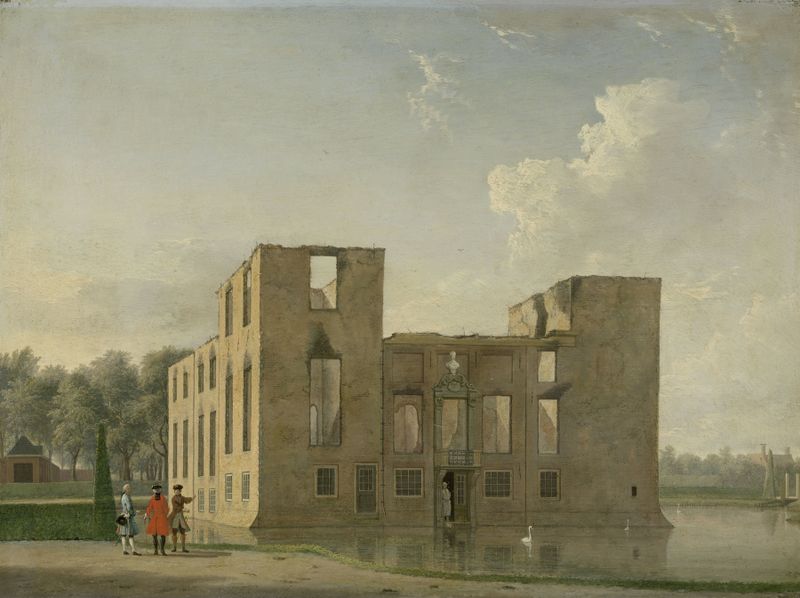
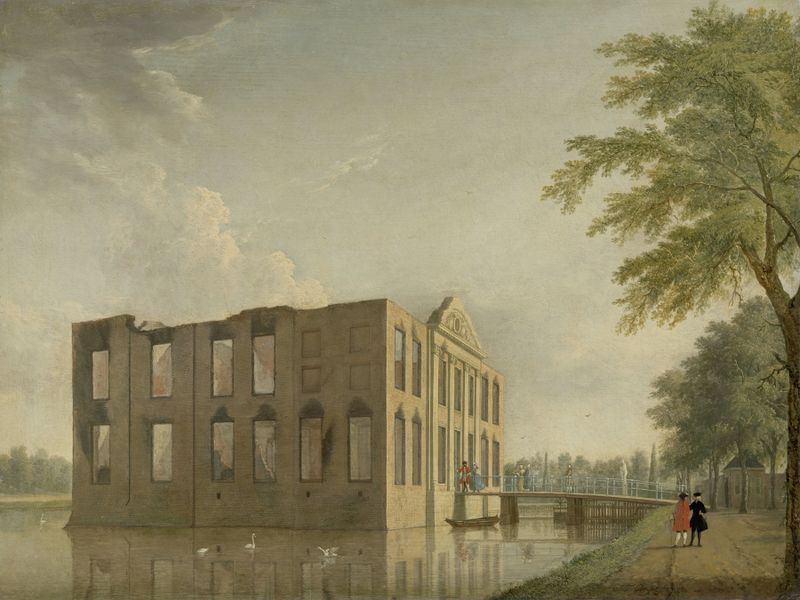
Is this a mirror — or a memory? As you gaze upon the canvas, a sense of transcendence envelops you, drawing you into a moment that stretches across time and space. Look to the foreground, where the tranquil waters of the canal shimmer with hints of blue and green, reflecting the city of Den Haag. Notice the meticulous brushwork that delineates the architecture, from the elegant gables to the stately trees lining the banks. The composition, balanced yet dynamic, invites your eye to wander from the charming boats docked at the edges to the delicate play of clouds above, all bathed in a warm, golden light that suggests late afternoon. In this serene portrayal, contrasts emerge like whispers: the bustling life of the city against the calmness of nature, the solidity of stone structures against the fleeting reflections in the water.
Each element tells a story of coexistence, reminding us of the delicate balance between human endeavor and the natural world. The artwork encapsulates not just a place, but a feeling — a nostalgic yearning for a moment of harmony that transcends the ordinary. Jan ten Compe painted this work in 1750 while residing in The Hague, a city at the heart of the Dutch Enlightenment. This period saw a flourishing of culture and art amidst the backdrop of political stability and economic prosperity in the Netherlands.
Engaging with the ideals of his time, the artist sought to capture not merely a view but an experience, reflecting both personal and collective memories of a rapidly changing world.