
Gezicht op het kapucijnenklooster te Tervueren — History & Facts
Can paint confess what words never could? In the quietude of art, grief finds its place, whispering truths too profound for mere language. Look closely at the serene landscape unfolding before you. Notice how the eye is immediately drawn to the distant Capuchin monastery, its elegant façade rising against a backdrop of soft, rolling hills. The painter's mastery of light is evident in the way it dances across the surface of the water in the foreground, reflecting both the sky and the architectural marvel with a delicate touch.
The color palette is a study in subtlety—gentle greens and muted browns evoke a sense of peace, yet also a lingering melancholy, inviting contemplation. Within this tranquil scene, deeper emotions pulse beneath the surface. The juxtaposition of the towering monastery and the expansive, open sky suggests a dialogue between the earthly and the divine, a reminder of the solace found in solitude. Shadows hug the edges of the canvas, hinting at the weight of loss that permeates the landscape, while the softly rendered trees stand sentinel, bearing witness to untold stories of sadness.
It’s a place where time seems suspended, allowing the viewer to dwell in an unspoken yearning. Lucas van Uden created this work during a time of artistic transition in the early 17th century, specifically around 1635 in Flanders. Known for his landscapes, he often imbued his scenes with emotional resonance, reflecting the cultural and spiritual currents of his day. His experiences and surroundings, marked by the religious fervor of the Counter-Reformation, influenced his ability to convey complex human emotions, such as grief, through the serene beauty of nature.
More Artworks by Lucas van Uden
Browse all →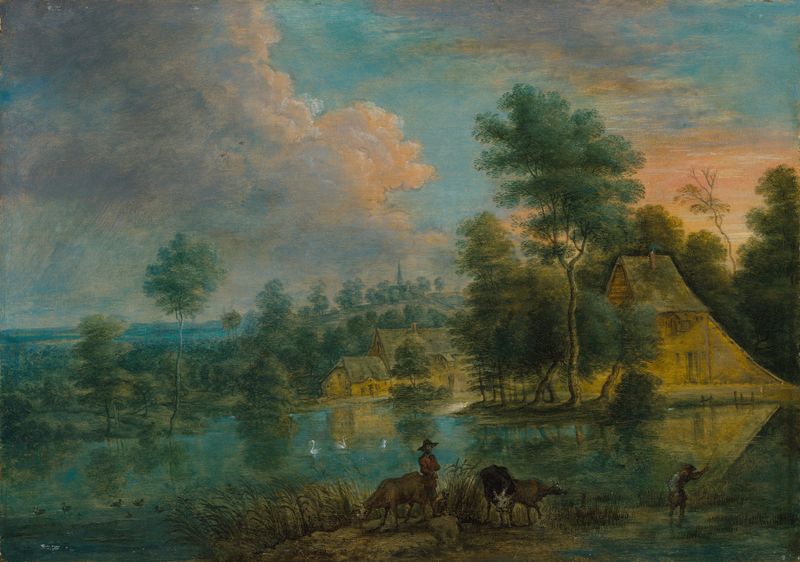
A river landscape with travellers
Lucas van Uden
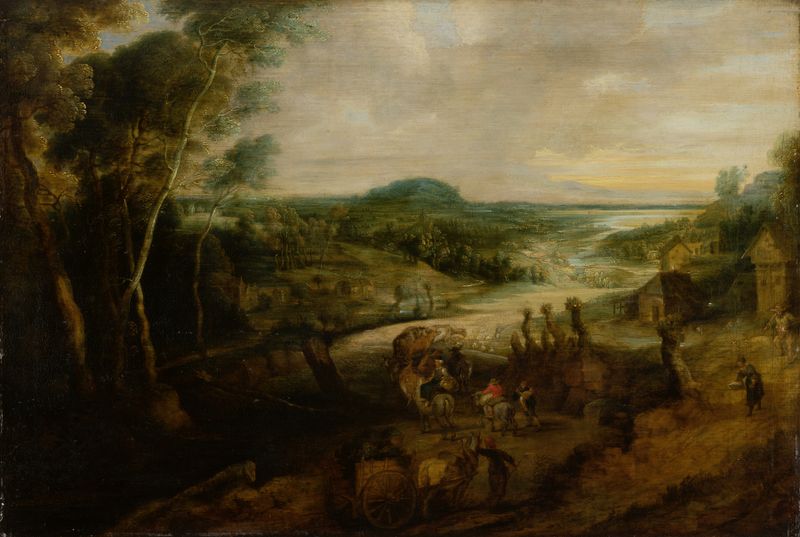
River Landscape with Peasants on the Way to Market
Lucas van Uden
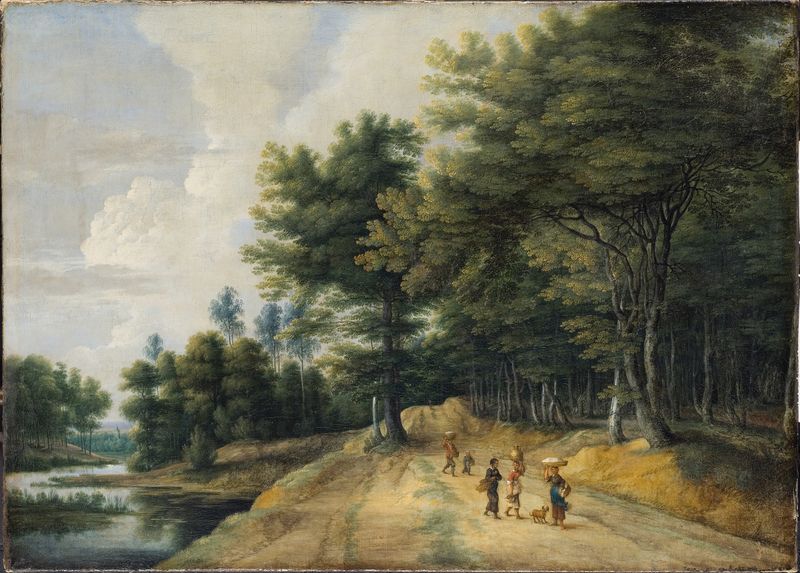
Landscape with a Road through a Wood of Beeches
Lucas van Uden
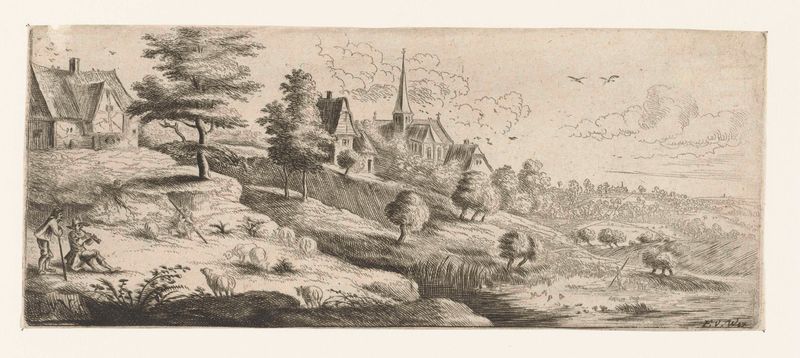
Landschap met een dorp en een schalmei spelende man
Lucas van Uden
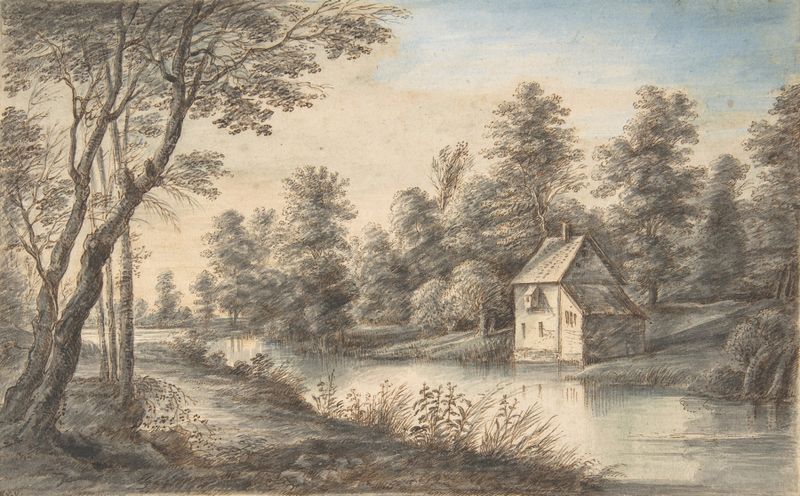
Wooded Landscape with a House beside a River
Lucas van Uden
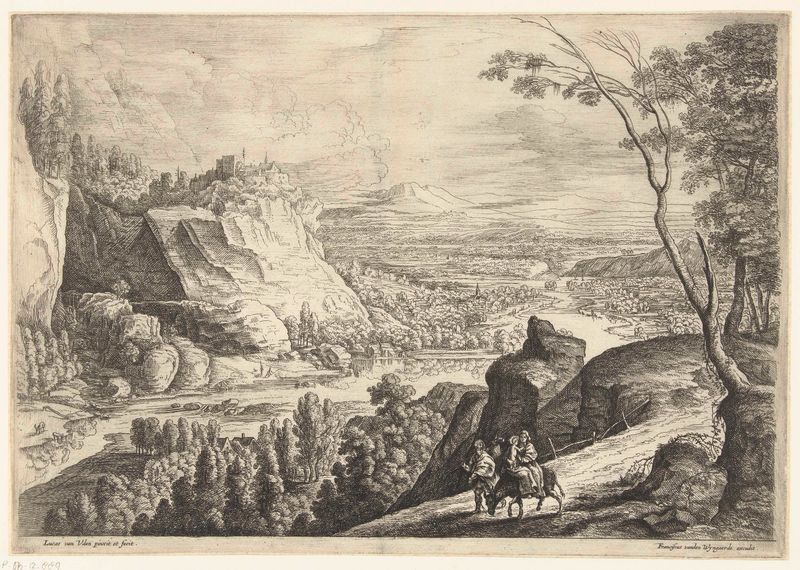
Landschap met de vlucht naar Egypte
Lucas van Uden
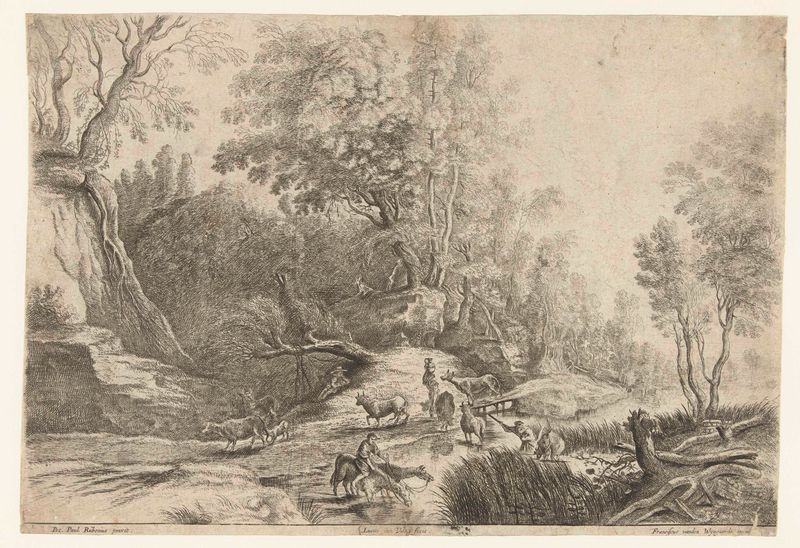
Paarden en koeien bij een drinkplaats
Lucas van Uden
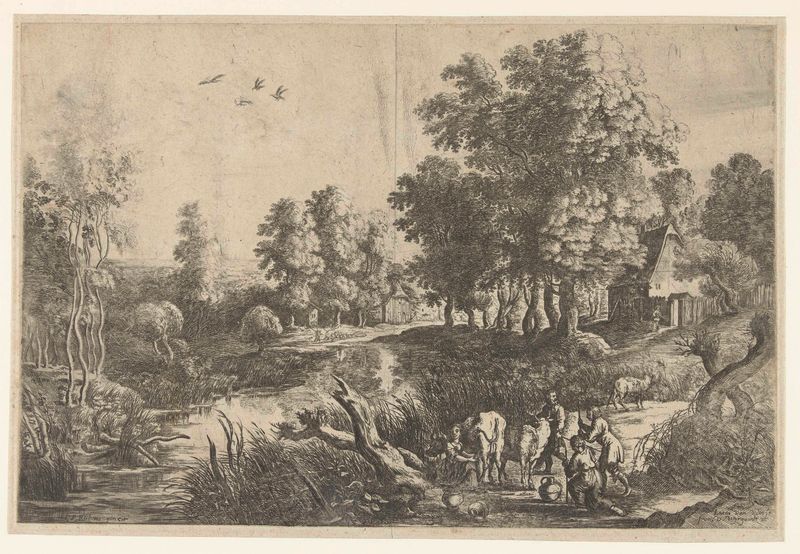
Boeren met vee bij een beek
Lucas van Uden
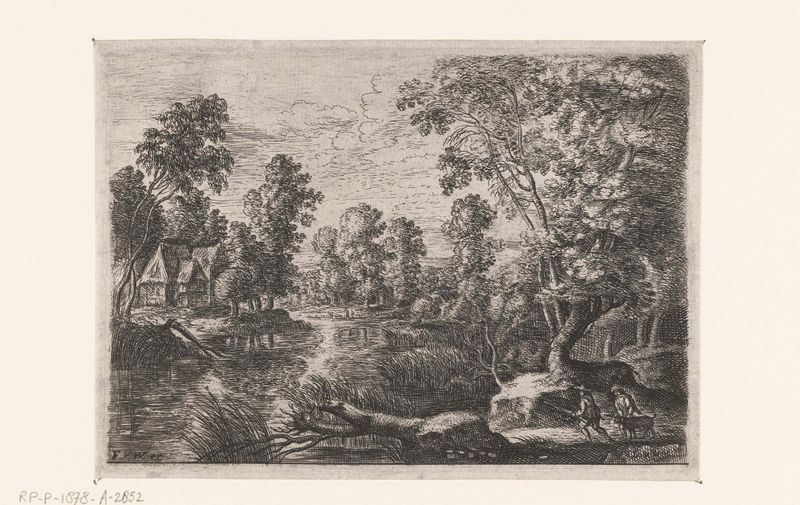
Landschap met een beek en een jager
Lucas van Uden
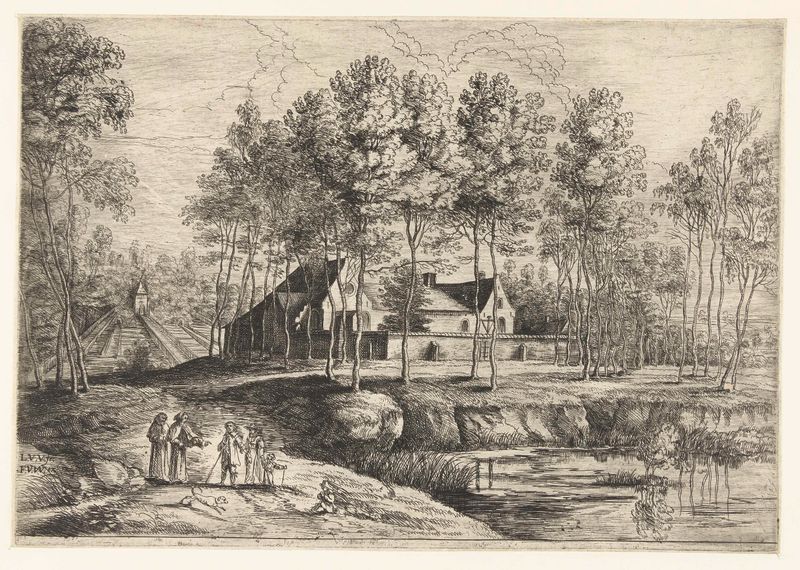
Gezicht op het kapucijnenklooster te Tervuren
Lucas van Uden





