
Gezicht te Petten — History & Facts
Can beauty exist without sorrow? In Gezicht te Petten, the answer lingers in the air, much like the mist that cloaks the landscape. Look to the center of the canvas where a tranquil seascape unfolds, the water mirroring the muted pastels of the sky. The horizon is soft, blending seamlessly into the gentle waves, while patches of sunlight break through the melancholy clouds, illuminating the sands of the beach. Notice how the brushstrokes convey a sense of movement—each wave seems to whisper secrets of fleeting moments, capturing the transient nature of beauty.
The muted colors evoke a nostalgia that hints at an unspoken melancholy, crafting an atmosphere that feels both serene and suffused with loss. In this work, contrasts abound. The calmness of the sea juxtaposes the uncertainty of the sky, suggesting an ever-present tension between tranquility and turmoil. The delicate balance between light and shadow speaks to the duality of existence—the joy inherent in beauty shadowed by the inevitability of mortality.
Small details, like distant figures walking along the shore, remind us of our own fleeting presence amidst the vastness of nature, echoing the painting’s deeper reflections on life's ephemerality. Painted in 1945, Maarten Oortwijn created Gezicht te Petten during a transformative period for both himself and the world. Emerging from the chaos of World War II, he sought solace in the serene landscapes of his homeland. This period marked a profound evolution in modern art, as artists grappled with the traumas of war and the quest for renewal through the beauty of nature, allowing Oortwijn to encapsulate his emotions in this poignant work.
More Artworks by Maarten Oortwijn
Browse all →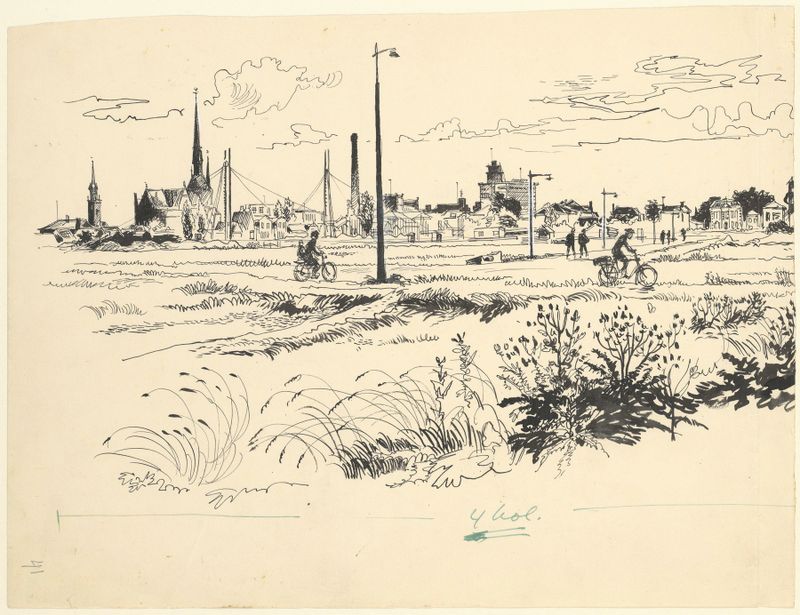
Gezicht op Koog aan de Zaan.
Maarten Oortwijn
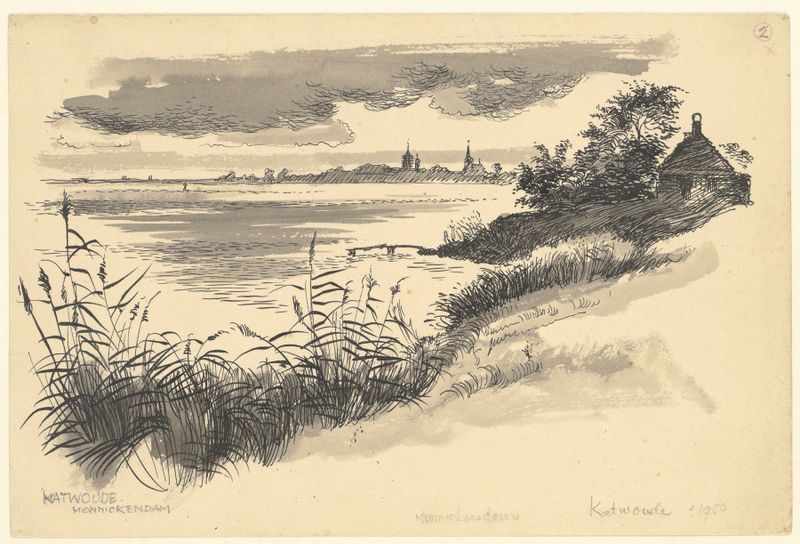
Gezicht vanuit Katwoude op Monnickendam
Maarten Oortwijn
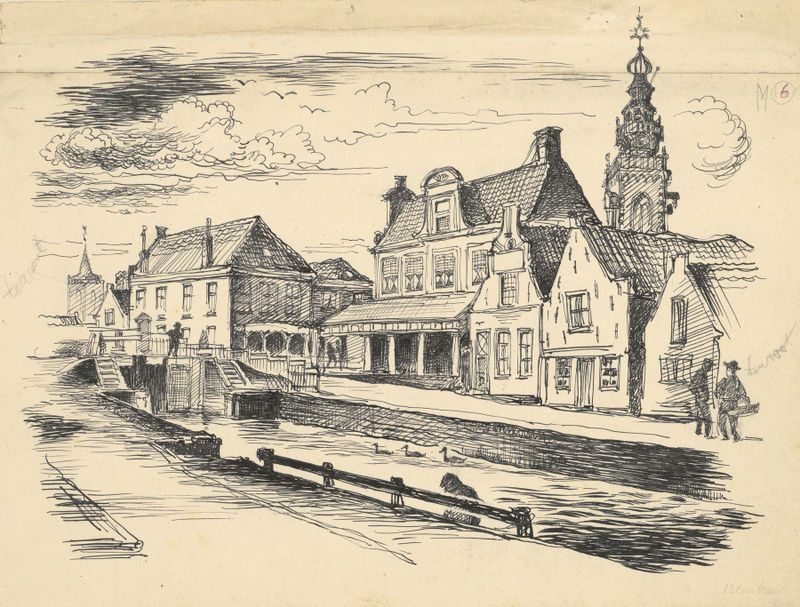
Gezicht vanaf de Gooische Kaai op de Waag
Maarten Oortwijn
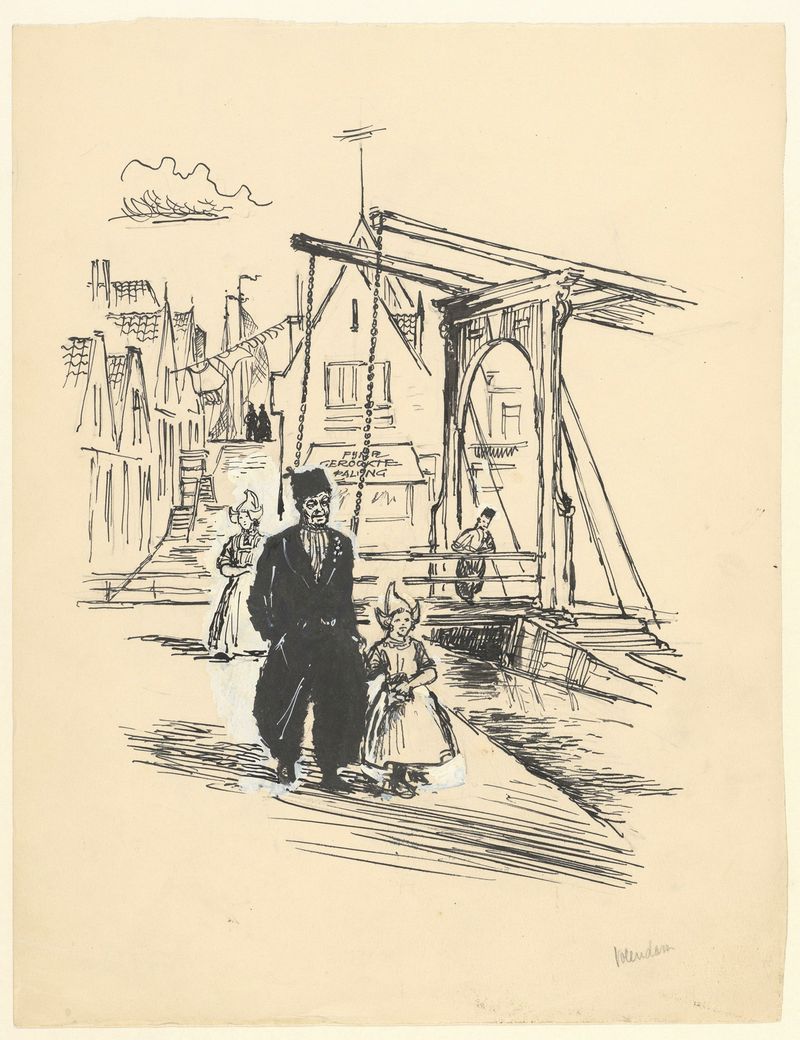
Gezicht te Volendam.
Maarten Oortwijn
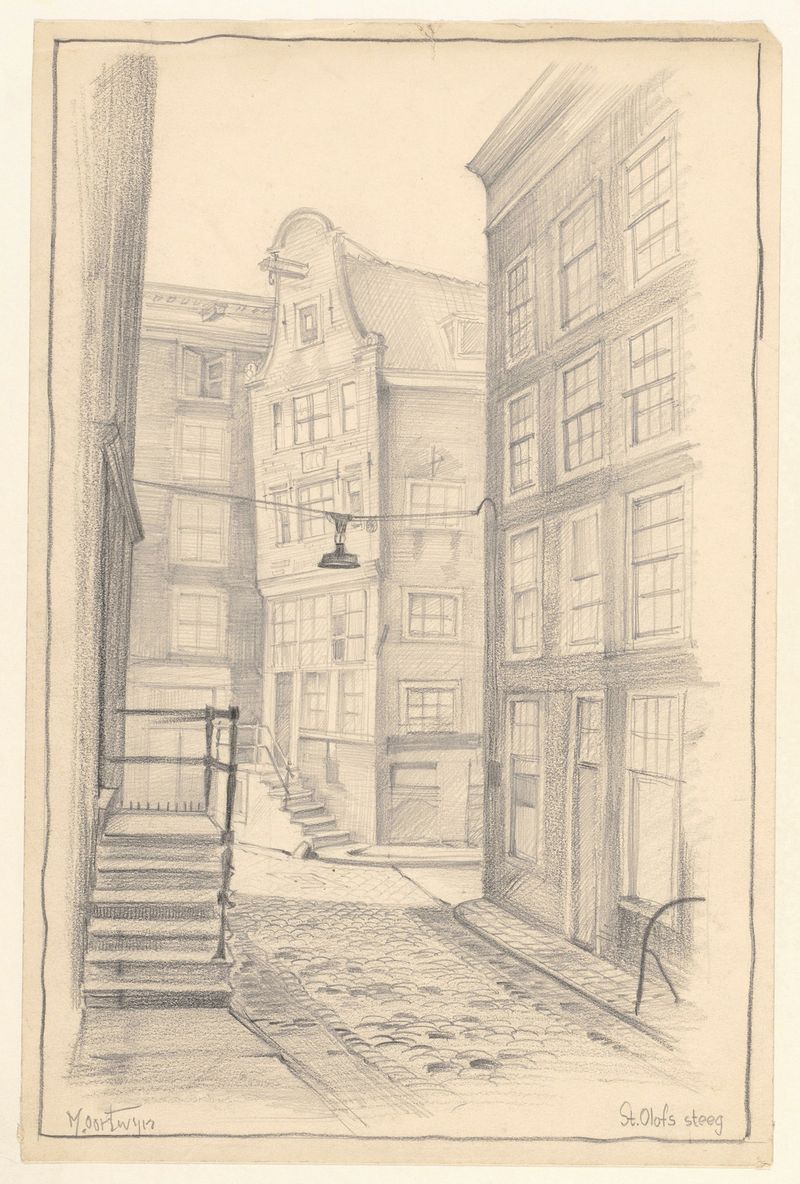
Gezicht in de St. Olofssteeg.
Maarten Oortwijn
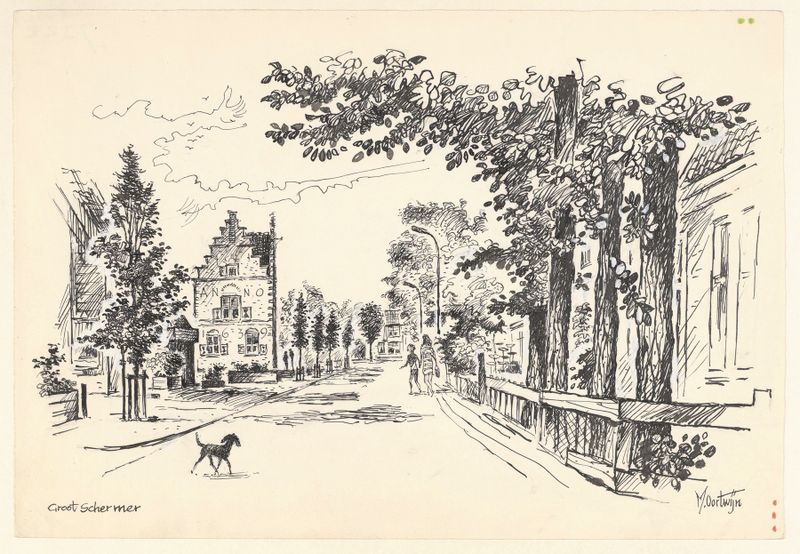
Gezicht te Grootschermer met het Raadhuis
Maarten Oortwijn
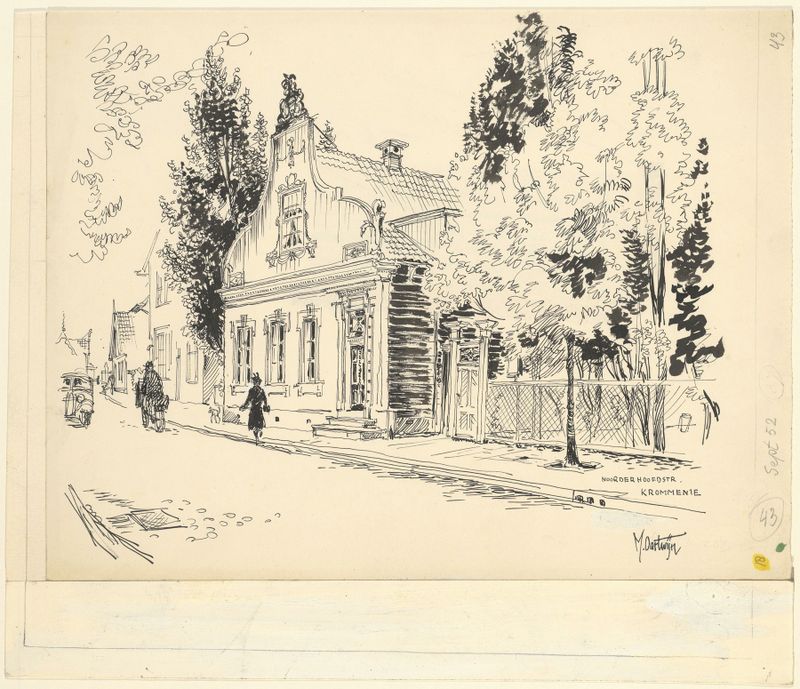
Gezicht in de Noorder
Maarten Oortwijn
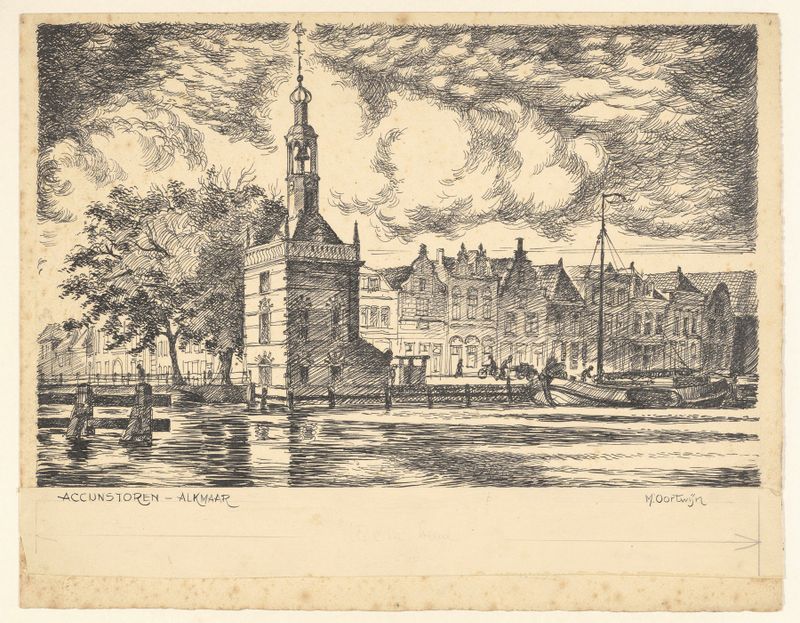
Gezicht op de Accijnstoren aan de Bierkade.
Maarten Oortwijn
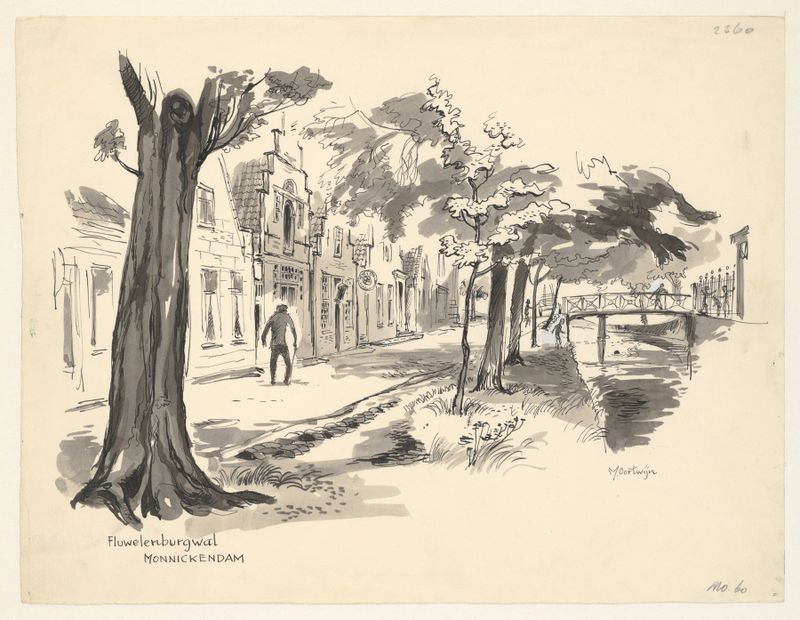
Fluwelenburgwal, Monnickendam
Maarten Oortwijn
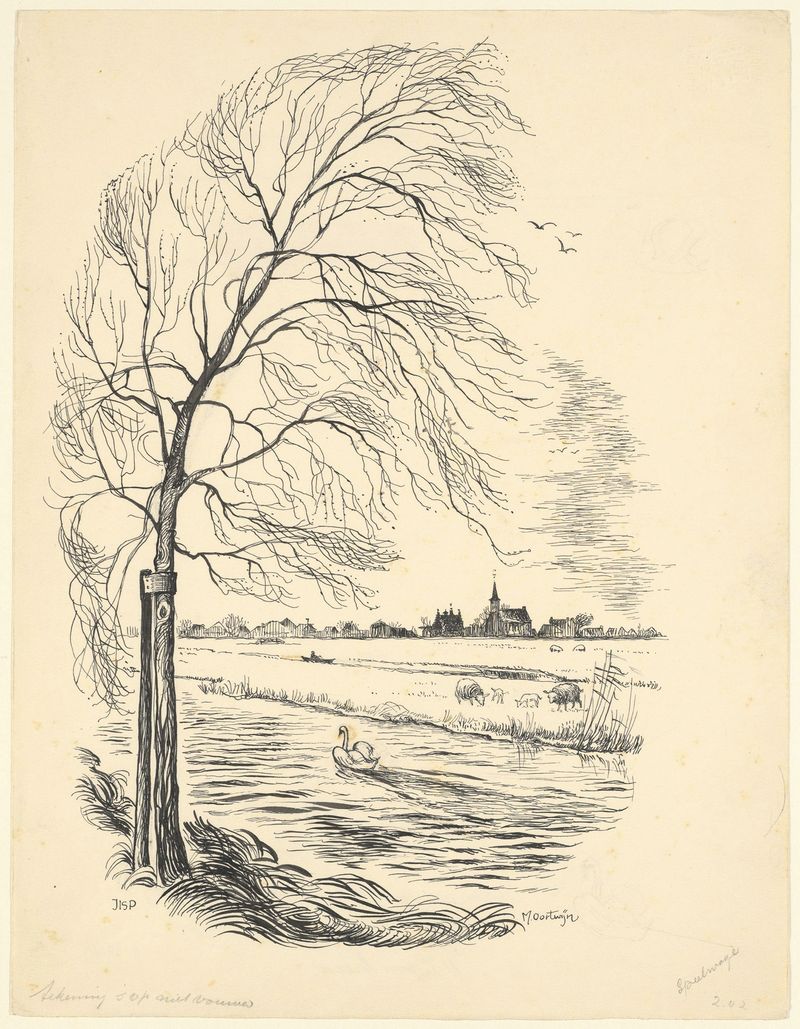
Gezicht op Jisp.
Maarten Oortwijn





