
Église St Ours à Soleure — History & Facts
When did color learn to lie? As brush meets canvas, it whispers secrets of emotion, revealing what lies beneath the surface of the visible world. Focus on the serene architecture at the center, where the cool blues and whites harmoniously embrace the structure of Église St Ours à Soleure. Notice how the artist captures the quiet dignity of the church, the light falling softly across its façade, casting shadows that deepen the sense of solitude. The delicate brushwork gives texture to the brick and stone, emphasizing both the craftsmanship of the building and the tranquility of the surrounding landscape.
The muted palette invites contemplation, drawing you into a moment suspended in time. Yet, the real tension lies in the interplay between the serenity of the church and the void surrounding it. The absence of figures hints at a deeper isolation, suggesting a yearning for connection that remains unfulfilled. Each stroke seems to echo the silence of the scene, where the colors, though soft, communicate an underlying melancholy.
This duality raises questions about faith, presence, and absence, creating a poignant dialogue between the structure and its environment. Jean Jacottet created this work at an unspecified time, likely during a period marked by a growing interest in capturing the essence of landscapes and architecture amidst a rapidly changing Europe. His approach reflects a transition in artistic practices, moving towards a personal interpretation of space and light, often inspired by the natural beauty of Switzerland. The absence of a definitive date allows this piece to resonate timelessly, as it encapsulates both a moment and an enduring search for understanding in the void.
More Artworks by Jean Jacottet
Browse all →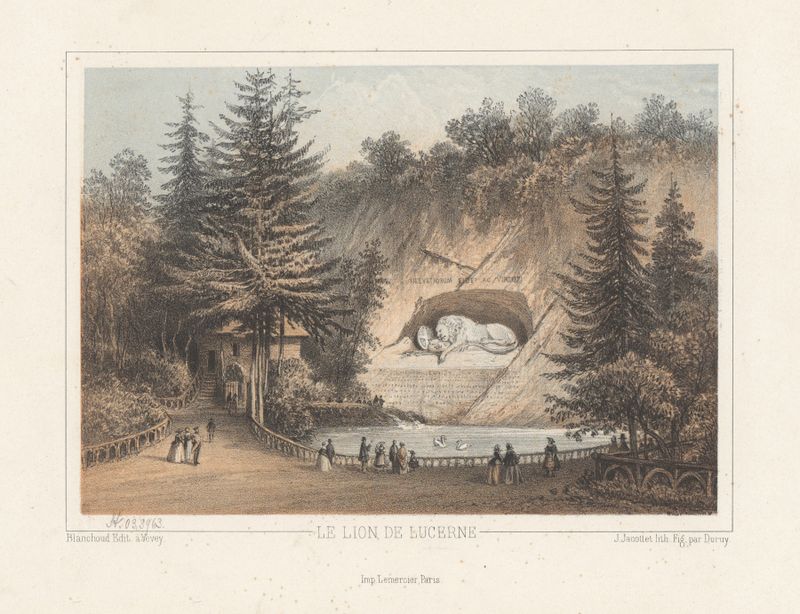
Le lion de Lucerne
Jean Jacottet
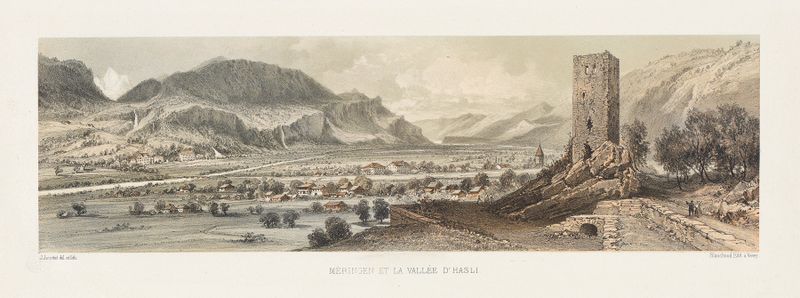
Méringen et la vallée d’Hasli
Jean Jacottet
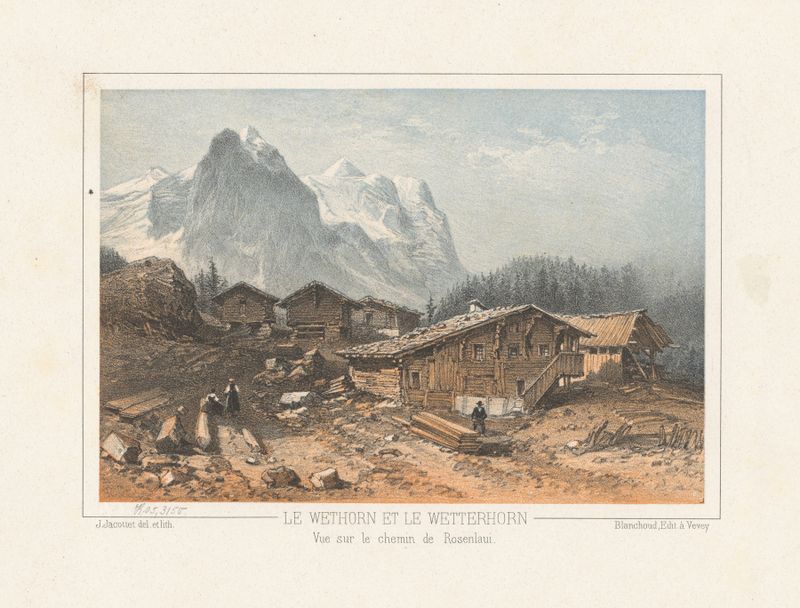
Le Wethorn et le Wetterhorn Vue sur le chemin de Rosenlaui
Jean Jacottet
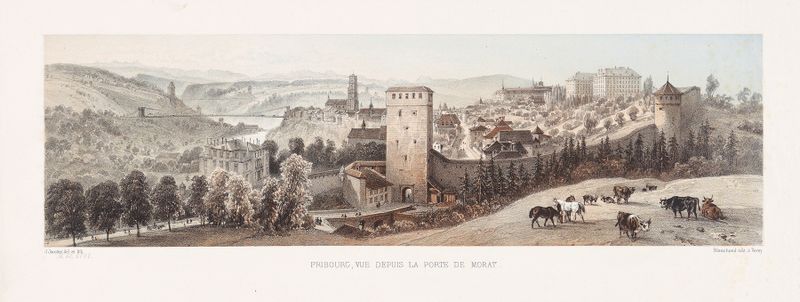
Fribourg, vue depuis la porte de Morat
Jean Jacottet
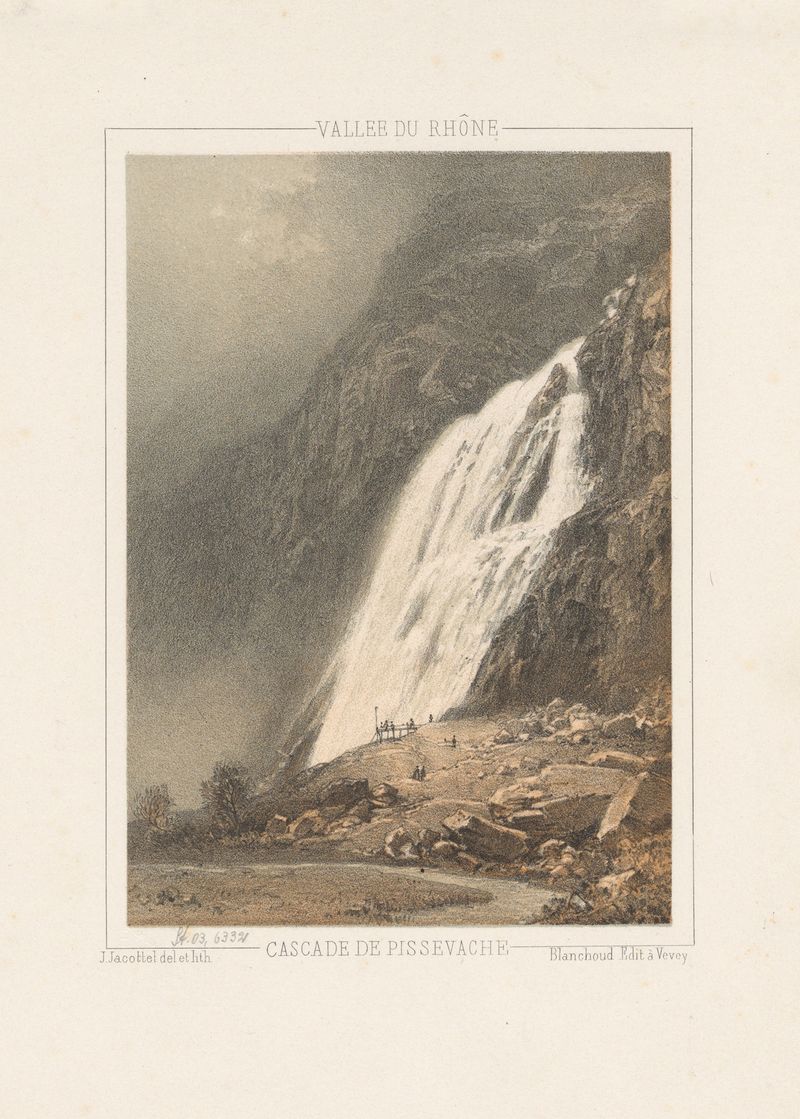
Cascade de Pissevache
Jean Jacottet
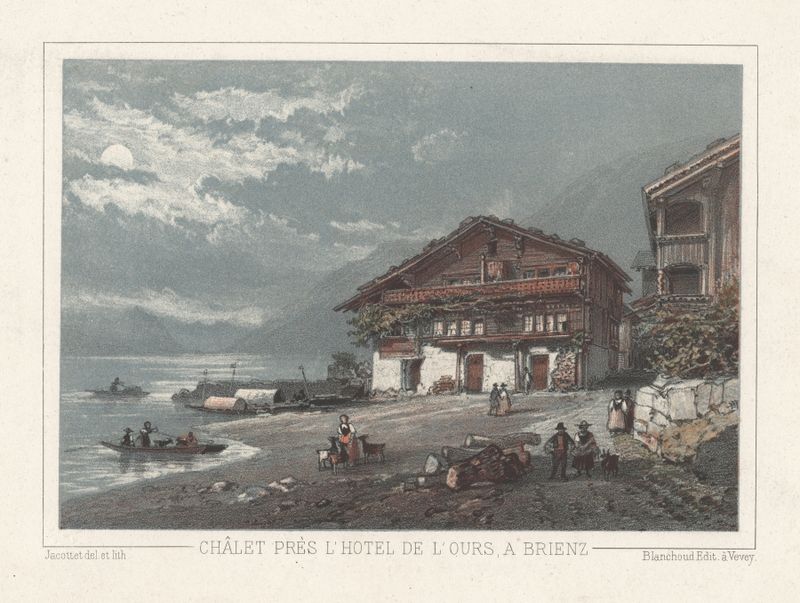
Châlet près l’Hotel de l’Ours, a Brienz
Jean Jacottet
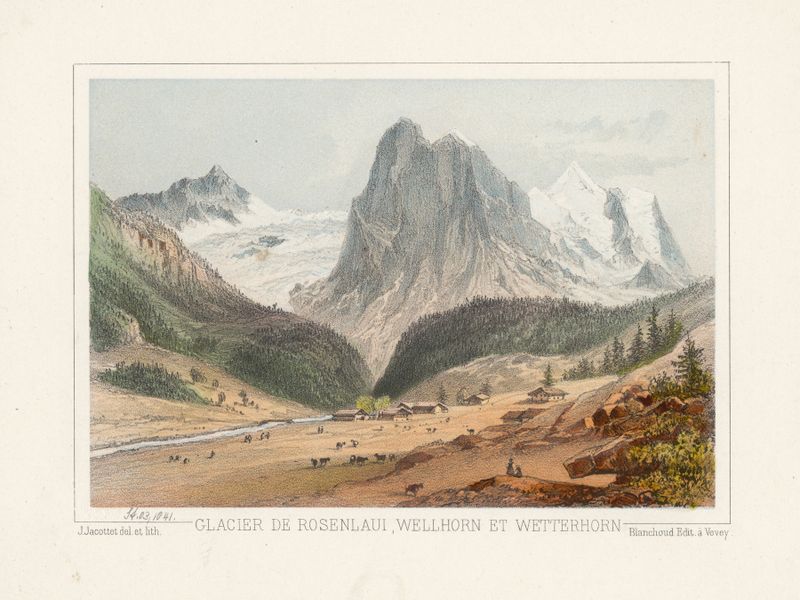
Glacier de Rosenlaui, Wellhorn et Wetterhorn
Jean Jacottet
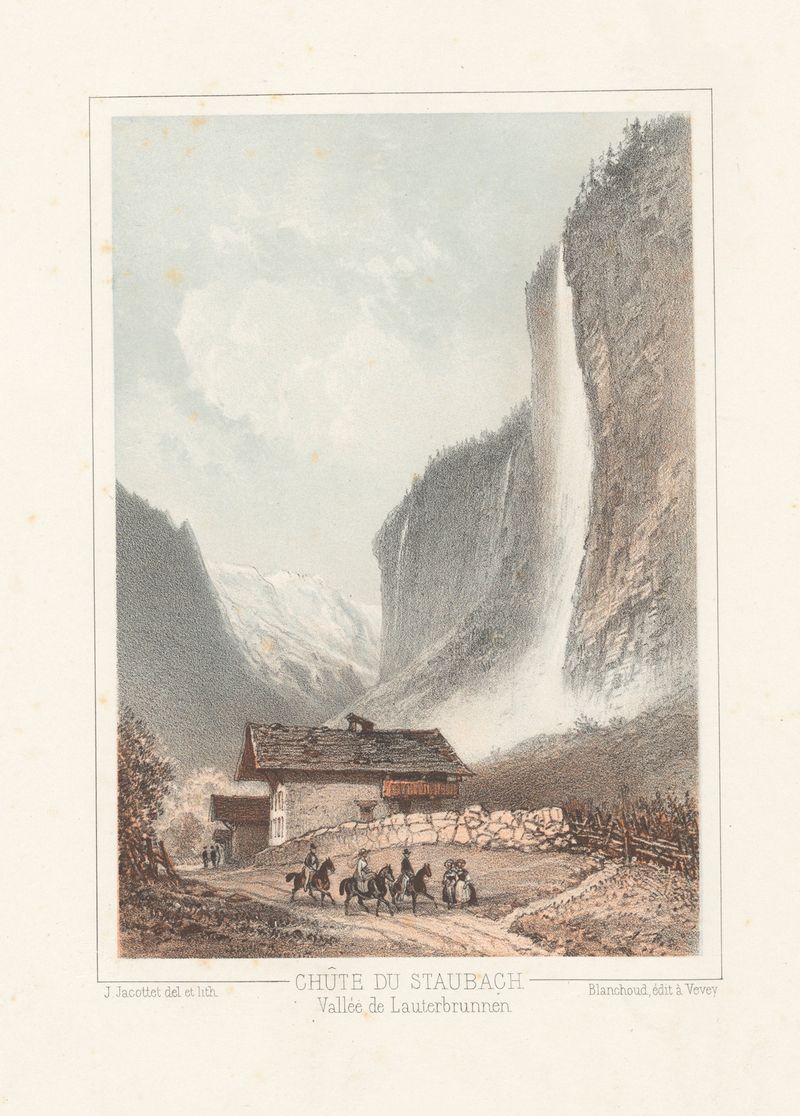
Chûte du Staubach Vallée de Lauterbrunnen
Jean Jacottet
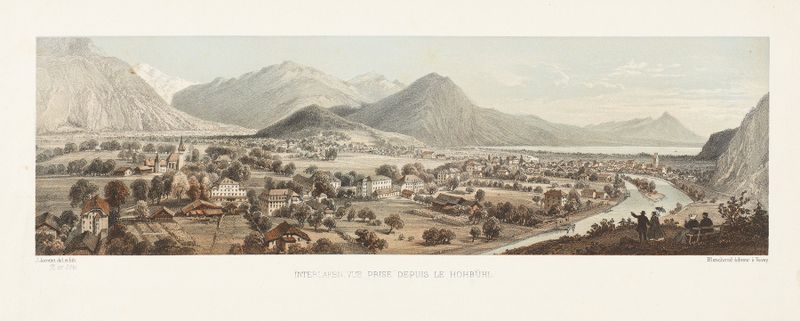
Interlaken, vue prise depuis le Hohbühl
Jean Jacottet
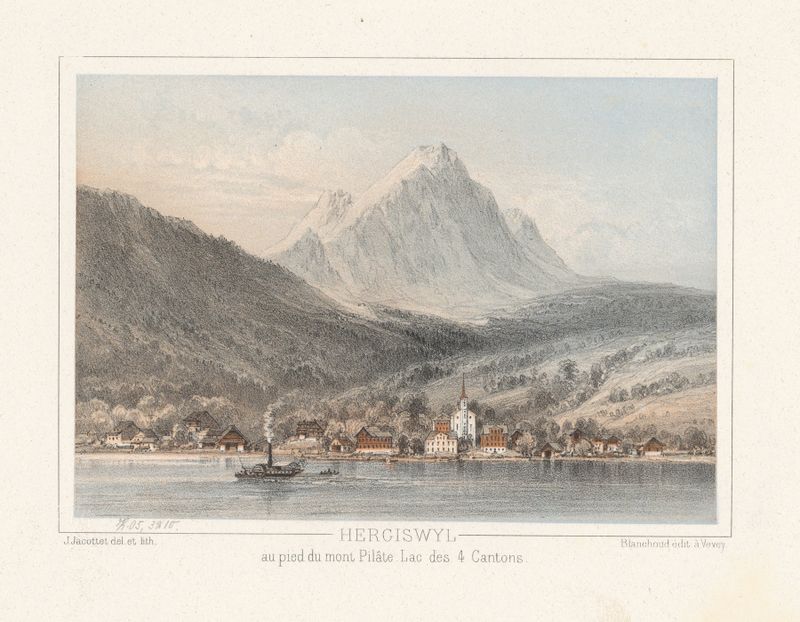
Hergiswyl au pied du mont Pilâte. Lac des 4 Cantons
Jean Jacottet
More Architecture Art
Browse all →
The statue of Liberty
Frédéric Auguste Bartholdi

View of Houses in Delft, Known as ‘The Little Street’
Johannes Vermeer

View of Houses in Delft, Known as ‘The Little Street’
Johannes Vermeer

The Cathedral in Rouen. The portal, Grey Weather
Claude Monet

The yellow house
Vincent van Gogh

The Church in Auvers-sur-Oise, View from the Chevet
Vincent van Gogh