Gloucester — History & Facts
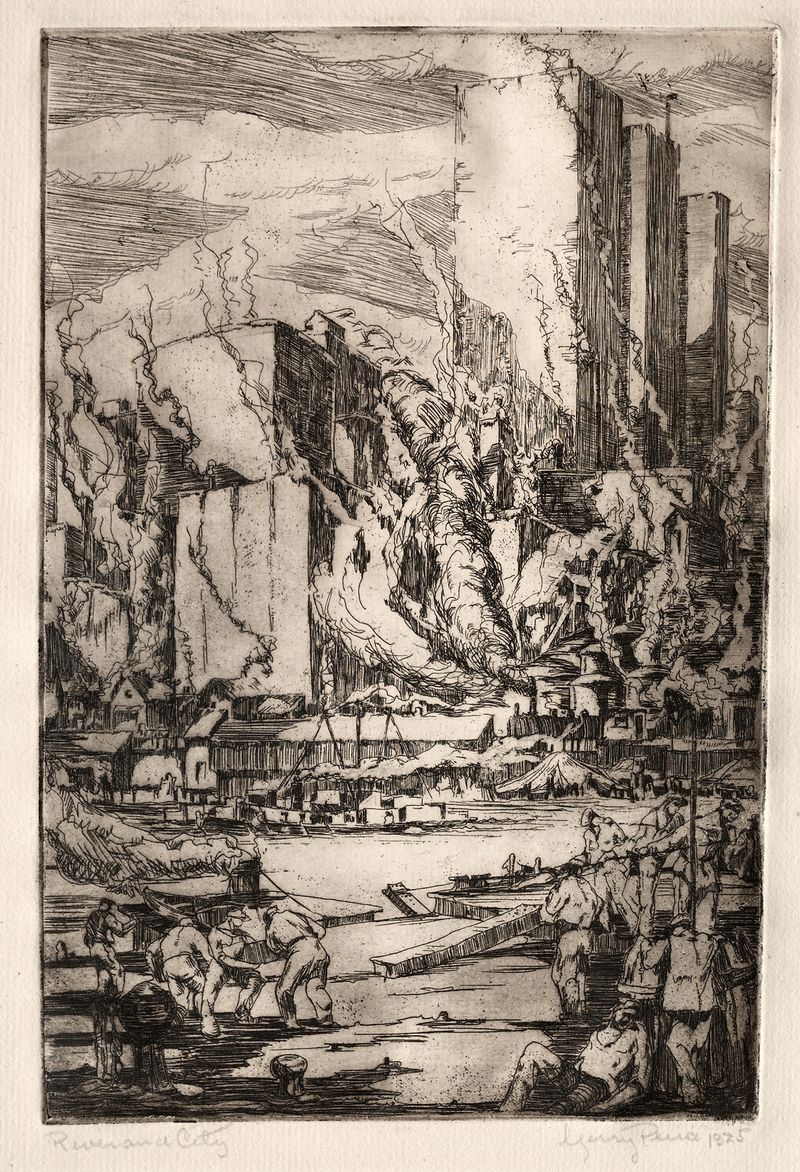
When did color learn to lie? In a world painted with hues that dance between truth and illusion, balance teeters on the edge of perception. Look to the center where soft waves cascade, their gentle curves inviting the eye to follow the rhythm of water's embrace. The cool blues and greens blend seamlessly, offering a serene yet vibrant contrast against the warm sunlit sky. Notice how the interplay of light creates a shimmering effect, casting reflections that ripple through the depths, making it hard to discern where the water ends and the sky begins.
A masterful technique of blending colors enhances this ethereal quality, encapsulating a moment of tranquility. Delve deeper, and you may discover the subtle tension between the vibrant palette and the stillness of the scene. The juxtaposition of lively colors against the calm water hints at a complexity beneath the surface—perhaps a commentary on the balance between nature’s beauty and the chaos of human existence. Hidden details, like the distant sails catching the wind, evoke a sense of possibility amidst the stillness, suggesting movement within a seemingly static moment. In 1925, Peirce painted this work during a time when American art was wrestling with modernism and traditional techniques.
His life at this point was marked by a commitment to capturing landscapes that resonated with emotional depth and intricate beauty. As he navigated the changing artistic tides, Gloucester emerged as a testament to his ability to balance the chaos of contemporary life with the serene allure of nature, reflecting broader trends within the artistic community of his era.