Gordon’s Shop — History & Facts
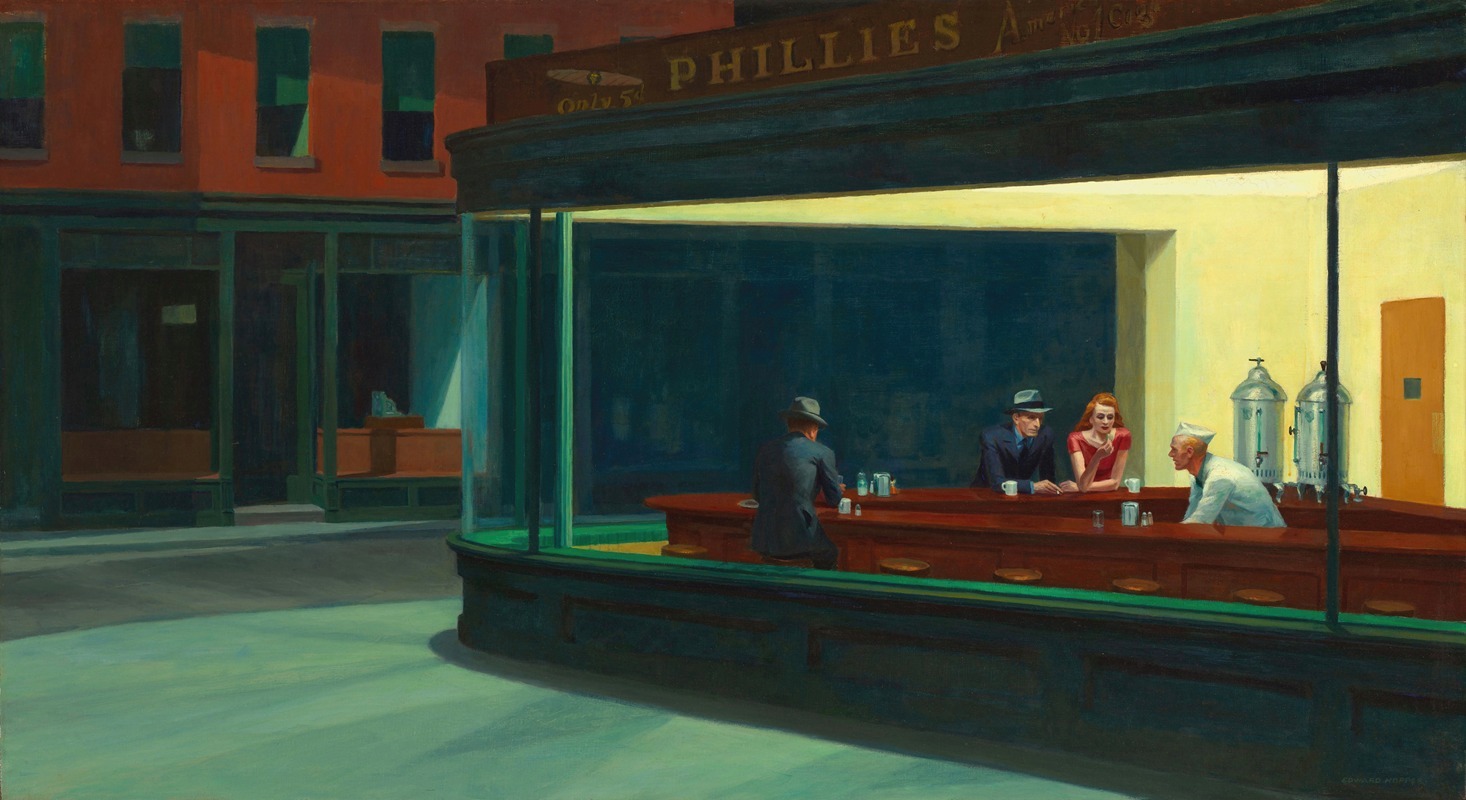
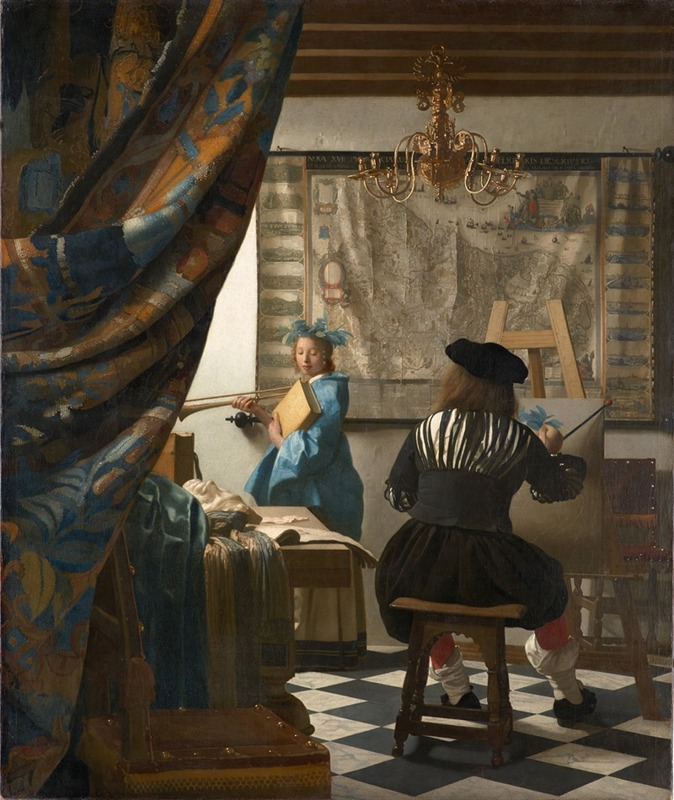
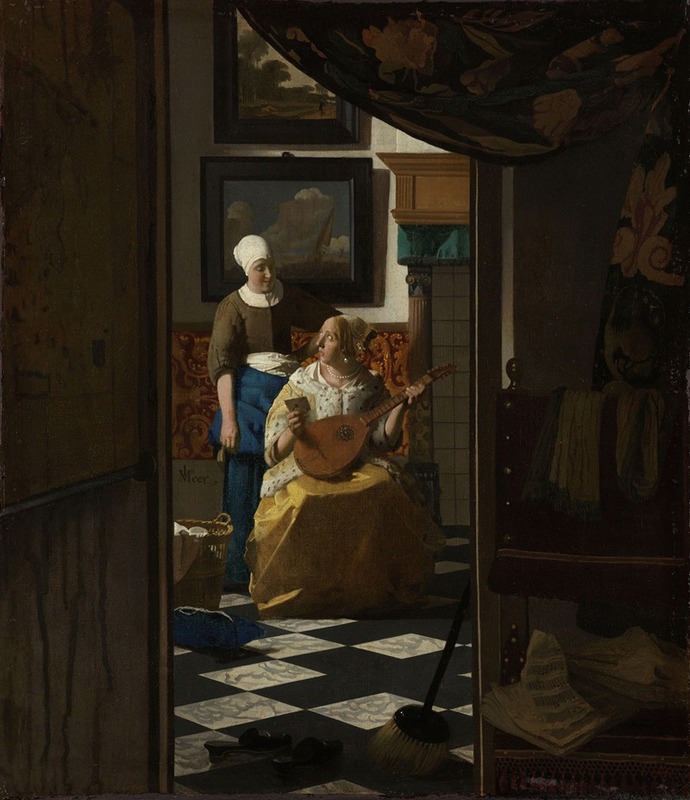
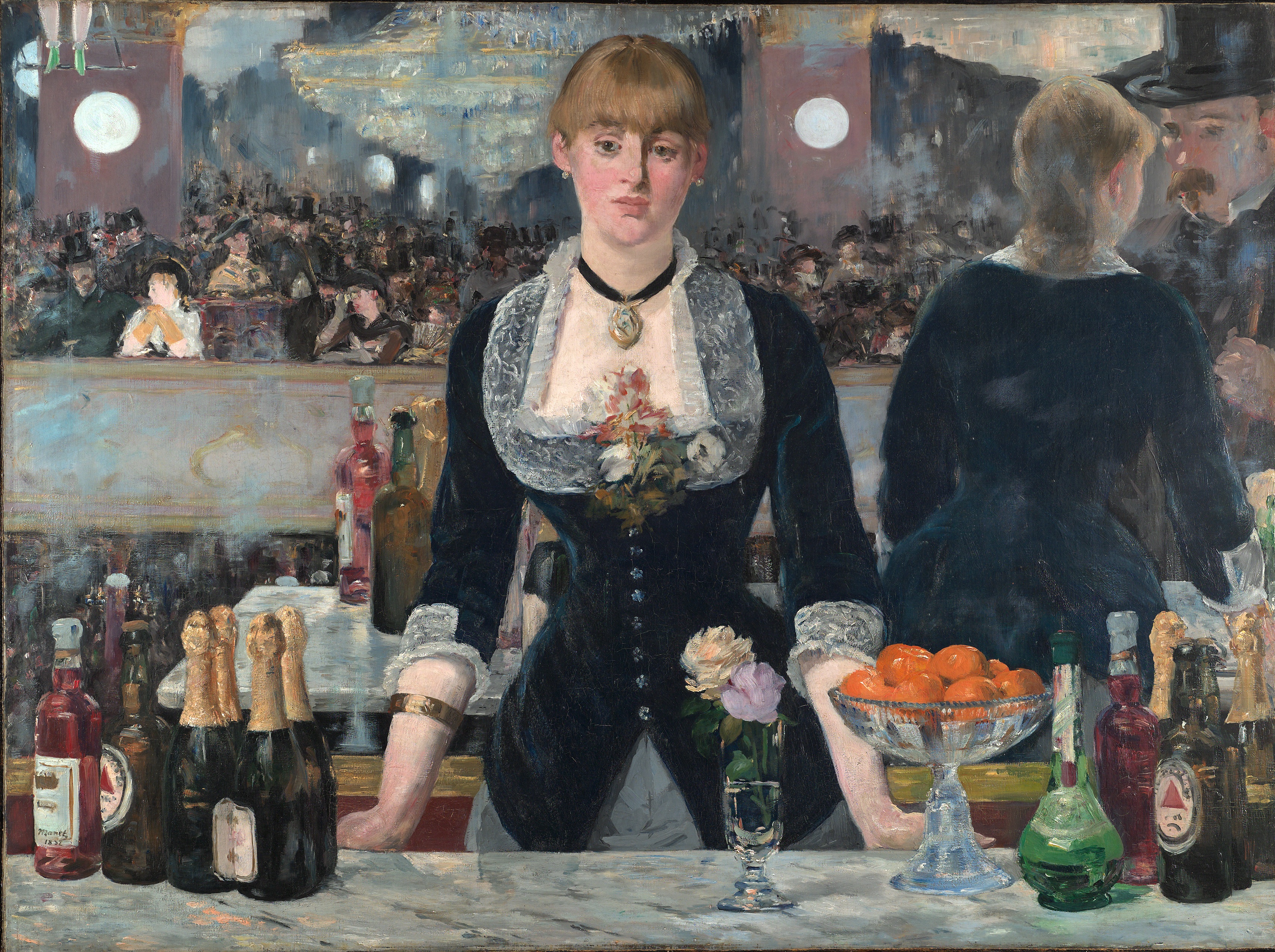
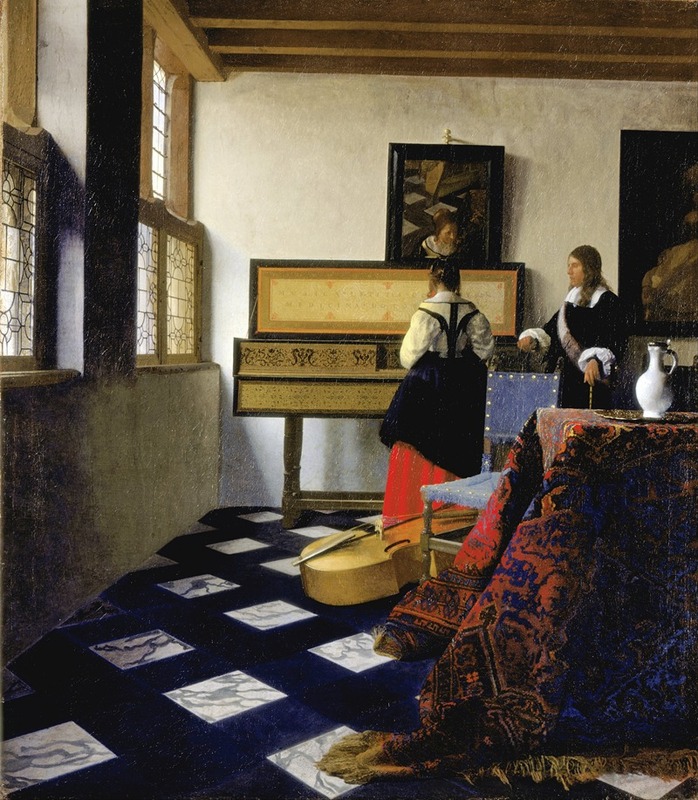
Can paint confess what words never could? In Gordon’s Shop, a world of longing unfolds, where the unspoken desire lingers like a ghost, whispering secrets through the brushstrokes. Look to the left at the inviting storefront, where the warm light spills across a wooden counter cluttered with charming wares. The rich, earthy tones of the shop contrast with the cooler hues of the street outside, creating a sense of intimacy within this commercial space. Notice how the sunlight casts playful shadows, hinting at the presence of life just beyond the frame, while the neat arrangement of goods reflects a meticulousness that suggests care and attention. The juxtaposition of the inside and outside world speaks volumes about the human experience—yearning for connection while being anchored in routine.
Small details, like the glint of glass jars and the delicate arrangement of items, evoke a sense of nostalgia for simpler times, illuminating a deeper desire for community and belonging. Each object seems imbued with a story, a fragment of the past that beckons the viewer closer, urging them to ponder their own connection to the place. In 1888, the artist painted this piece while residing in the vibrant art scene of Edinburgh. At this time, he was grappling with both personal ambitions and the rapid societal changes of the industrial age.
As the world around him transformed, his works captured the intimate moments often overlooked, reflecting a unique sensitivity to the complexities of human desire amidst the evolving landscape of modernity.