
Gorge du Trient, l’Église — History & Facts
In Gorge du Trient, l’Église, the viewer is invited into a world where nature’s majesty confronts human fragility, unveiling deeper revelations hidden within its layers. Look to the foreground where the church stands resolutely against the craggy backdrop of the gorge. Notice how the artist employs earthy tones of ochre and deep greens to ground the structure, while the bright blues of the sky offer a striking contrast that reinforces the sense of isolation. The brushwork reveals both texture and movement, as if the landscape itself is alive, echoing the weight of time passing over both stone and soul. As we delve deeper, the juxtaposition between the church and the looming cliffs speaks to the tension between civilization and the wildness of nature.
The ethereal light flooding the scene reveals an ephemeral beauty, suggesting that even in the face of harshness, there remains a hope, a spiritual sanctuary. This fragile balance captures a profound emotional complexity, where beauty and desolation coexist, hinting at unseen struggles and the resilience of faith amidst an overwhelming landscape. Jean Jacottet painted Gorge du Trient, l’Église during a period of artistic exploration in the mid-20th century, a time marked by a growing interest in capturing the sublime qualities of natural environments. Living in Switzerland, he was deeply influenced by the Swiss landscape, reflecting the tensions of post-war Europe in his depictions of both beauty and solitude.
More Artworks by Jean Jacottet
Browse all →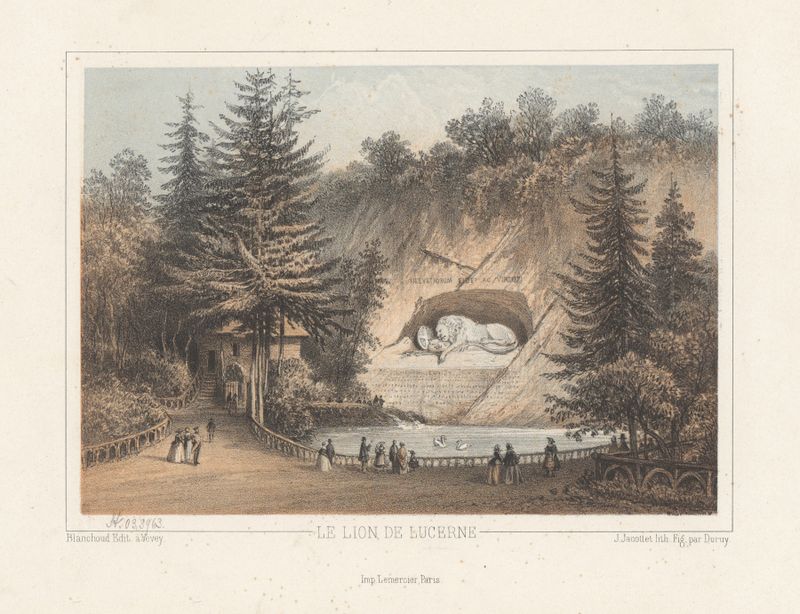
Le lion de Lucerne
Jean Jacottet
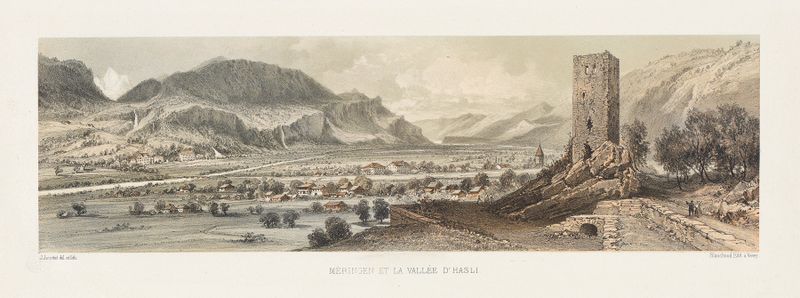
Méringen et la vallée d’Hasli
Jean Jacottet
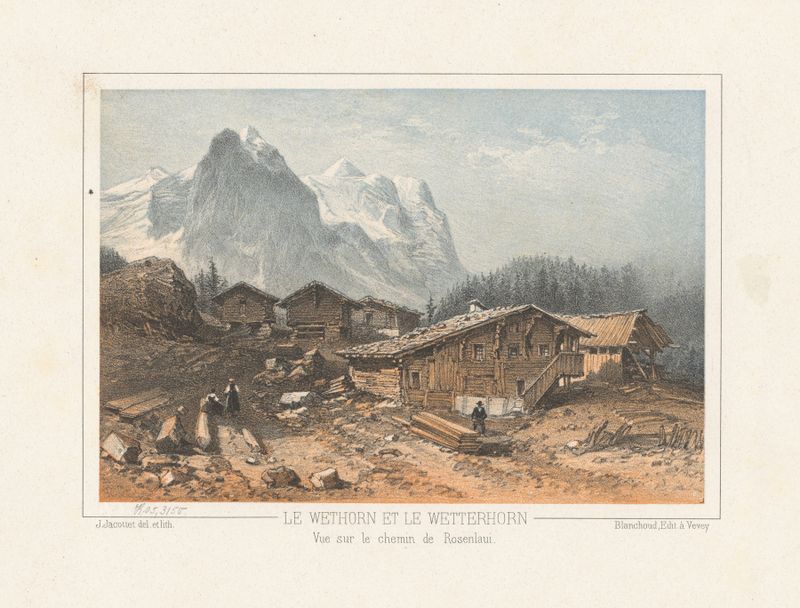
Le Wethorn et le Wetterhorn Vue sur le chemin de Rosenlaui
Jean Jacottet
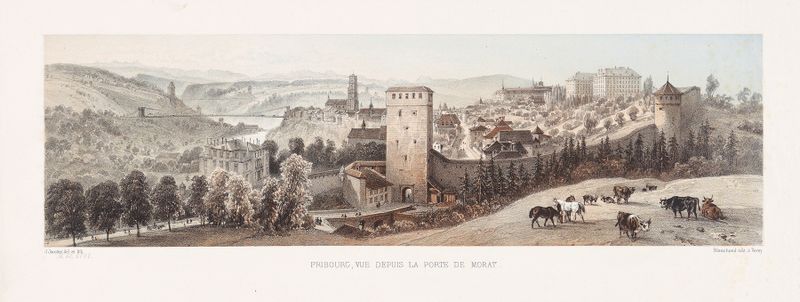
Fribourg, vue depuis la porte de Morat
Jean Jacottet
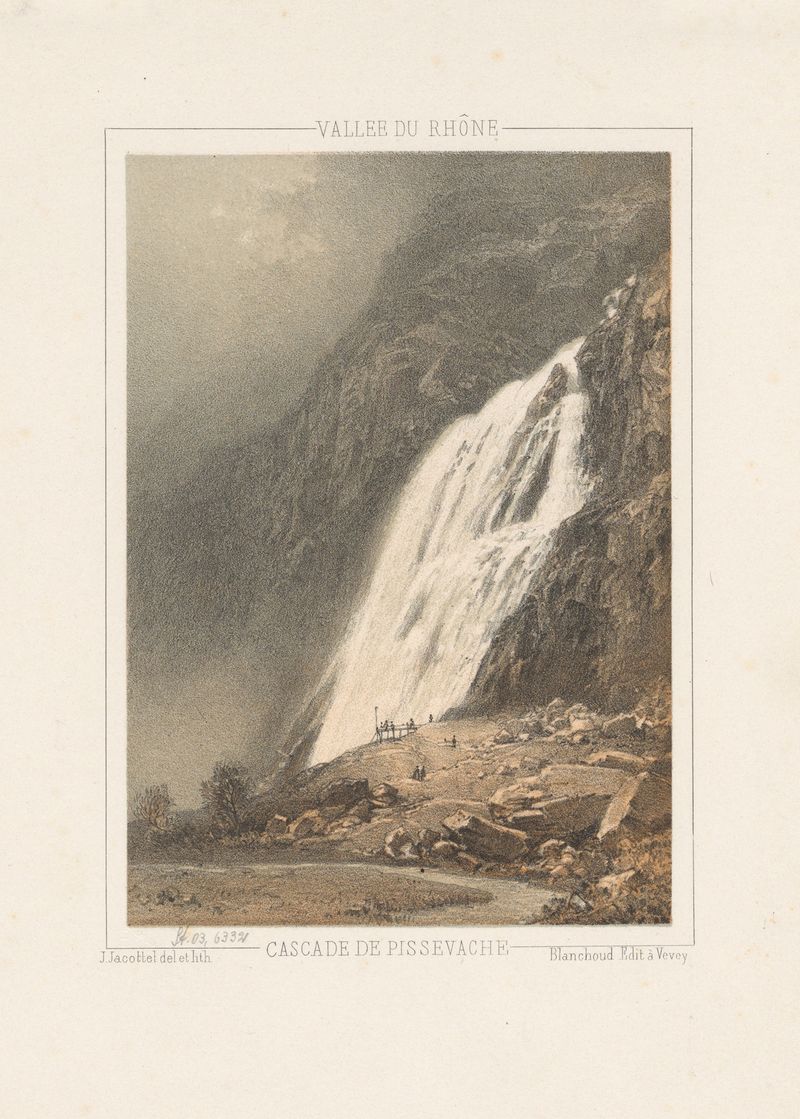
Cascade de Pissevache
Jean Jacottet
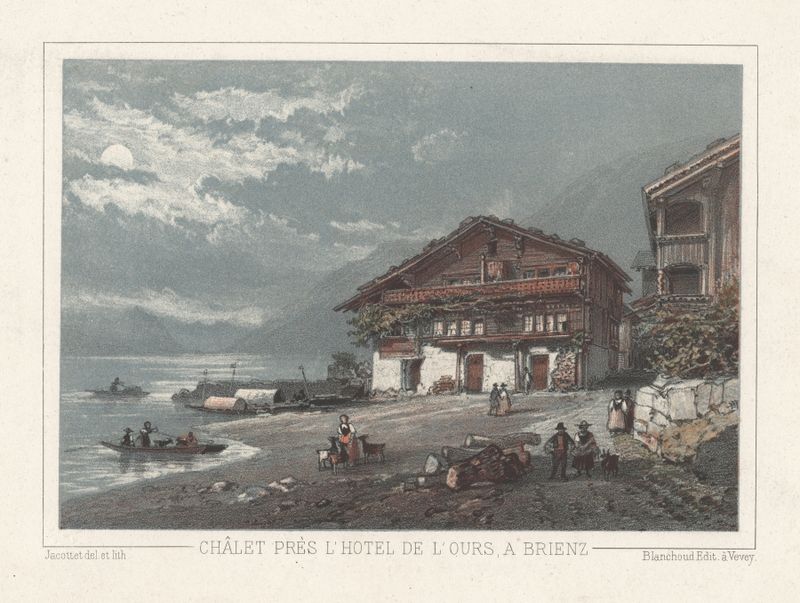
Châlet près l’Hotel de l’Ours, a Brienz
Jean Jacottet
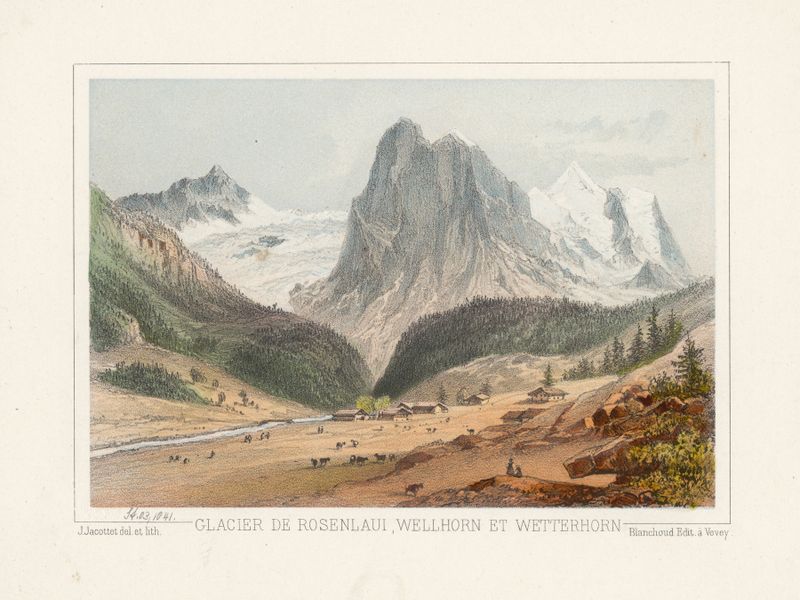
Glacier de Rosenlaui, Wellhorn et Wetterhorn
Jean Jacottet
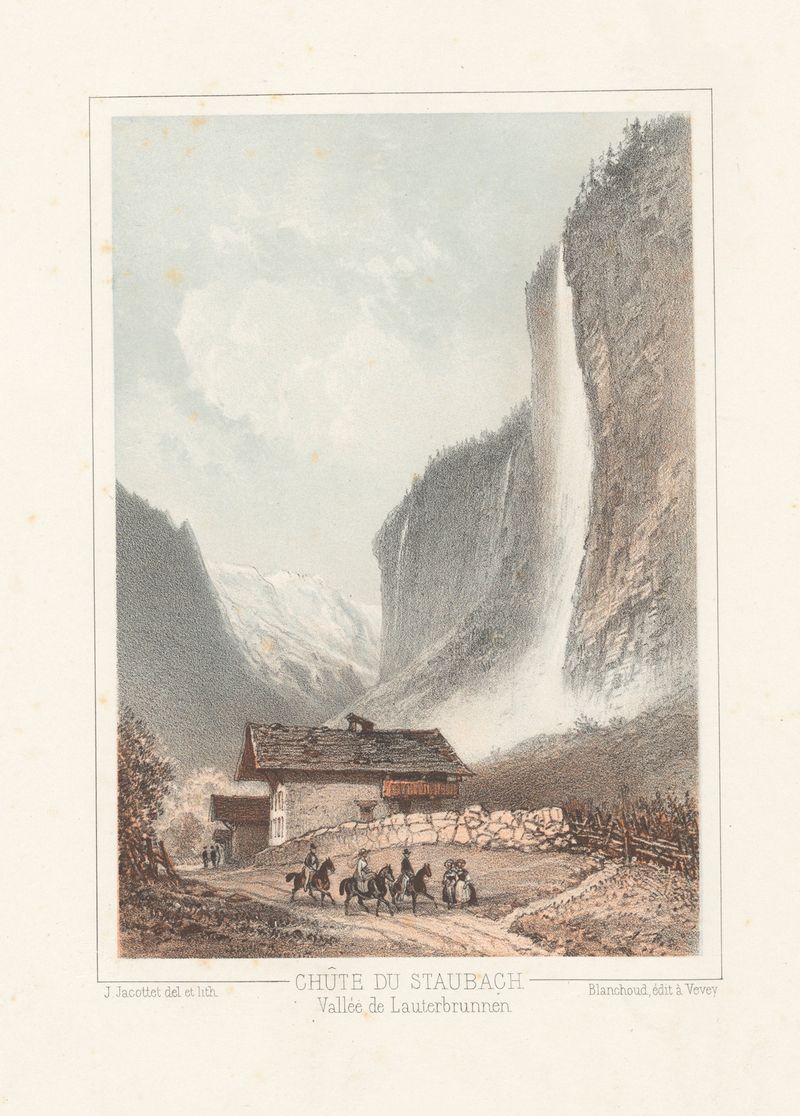
Chûte du Staubach Vallée de Lauterbrunnen
Jean Jacottet
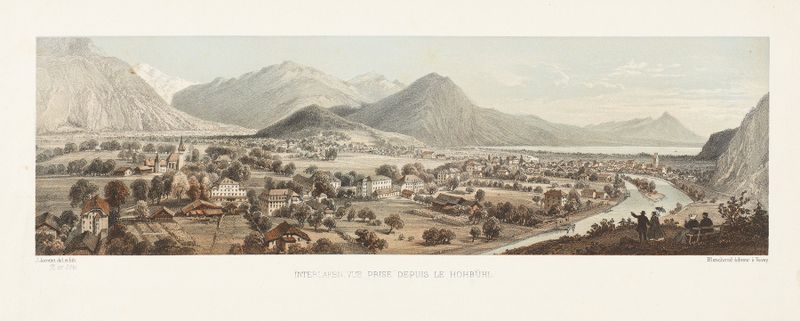
Interlaken, vue prise depuis le Hohbühl
Jean Jacottet
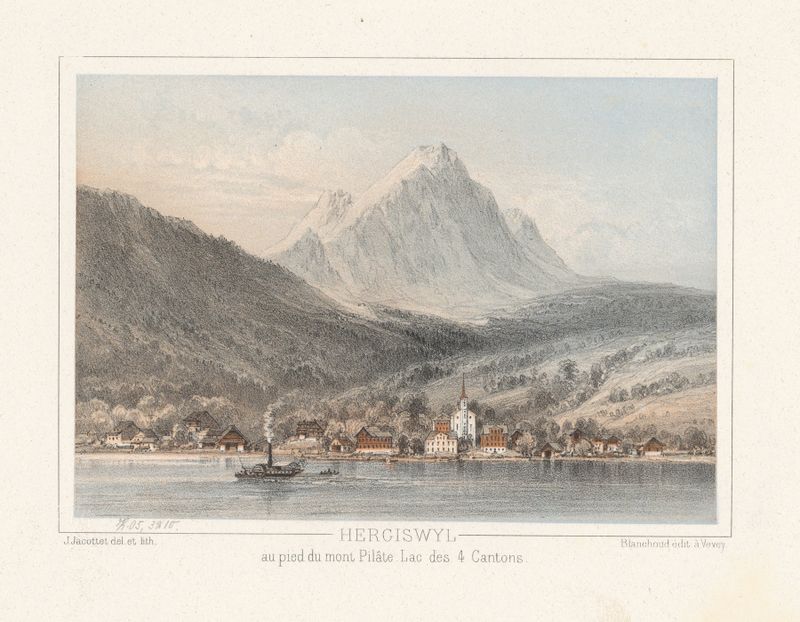
Hergiswyl au pied du mont Pilâte. Lac des 4 Cantons
Jean Jacottet





