
Graffiguur: dienares — History & Facts
Can beauty exist without sorrow? In the delicate strokes of this ancient artwork, the intricate connection between joy and pain emerges, revealing a legacy steeped in emotional complexity. Look closely at the figures depicted; the central figure, adorned in flowing garments, draws the eye with its serene expression. Notice how the gentle play of light accentuates the contours of their face, casting soft shadows that evoke an air of contemplation. The palette is rich yet muted, with earthy tones that anchor the work in its historical context while still allowing the figures to resonate with emotion. As you explore further, consider the juxtaposition of the figures surrounding the central figure—each one encapsulated in a moment of silent reflection.
Their postures and expressions whisper secrets of longing and unfulfilled desires, suggesting that their beauty is intertwined with an underlying sorrow. The viewer is invited to ponder the legacy of these emotions, as they echo through time, connecting the past with our present understanding of human experience. This piece was created during a time when art was transitioning from the rigid forms of previous eras to more expressive and intricate styles. Between 206 and 220 AD, the world was witnessing the consolidation of cultures and ideas, where beauty served as a dialogue between the past and present.
The artist, whose identity remains unknown, captures this dialogue in Graffiguur: dienares, leaving behind an emotional testament to the complexities that define our shared legacy.
More Artworks by Unknown Artist
Browse all →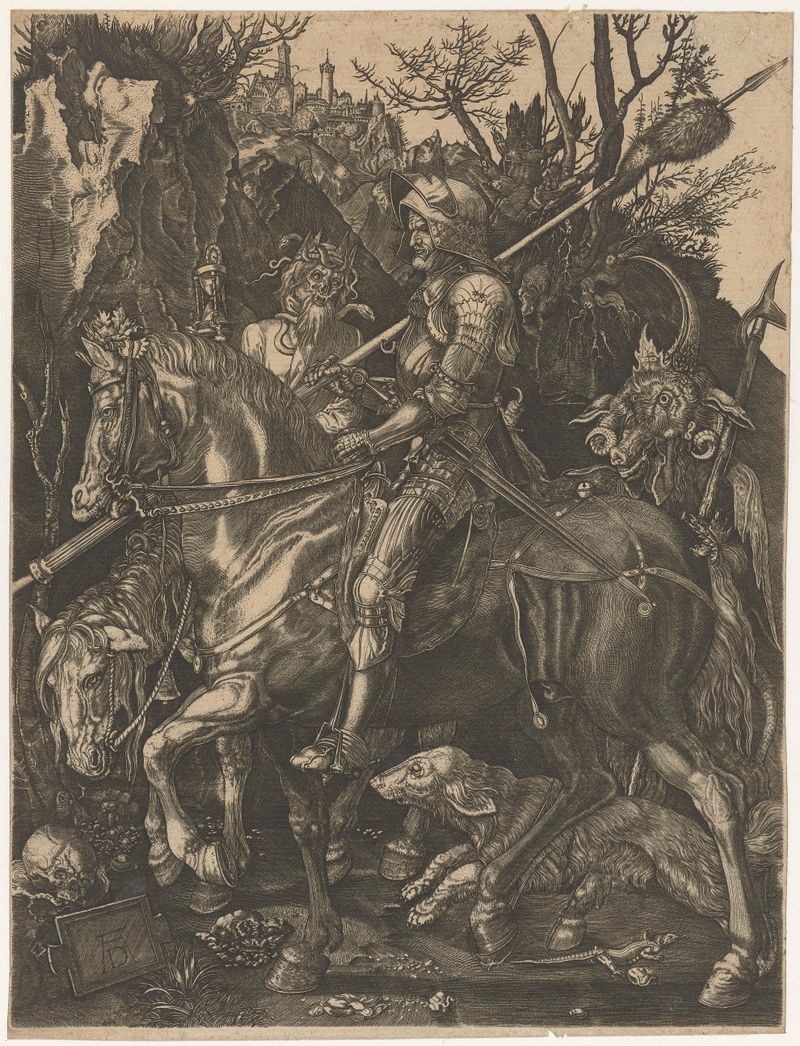
Ridder, Dood en Duivel
Unknown Artist
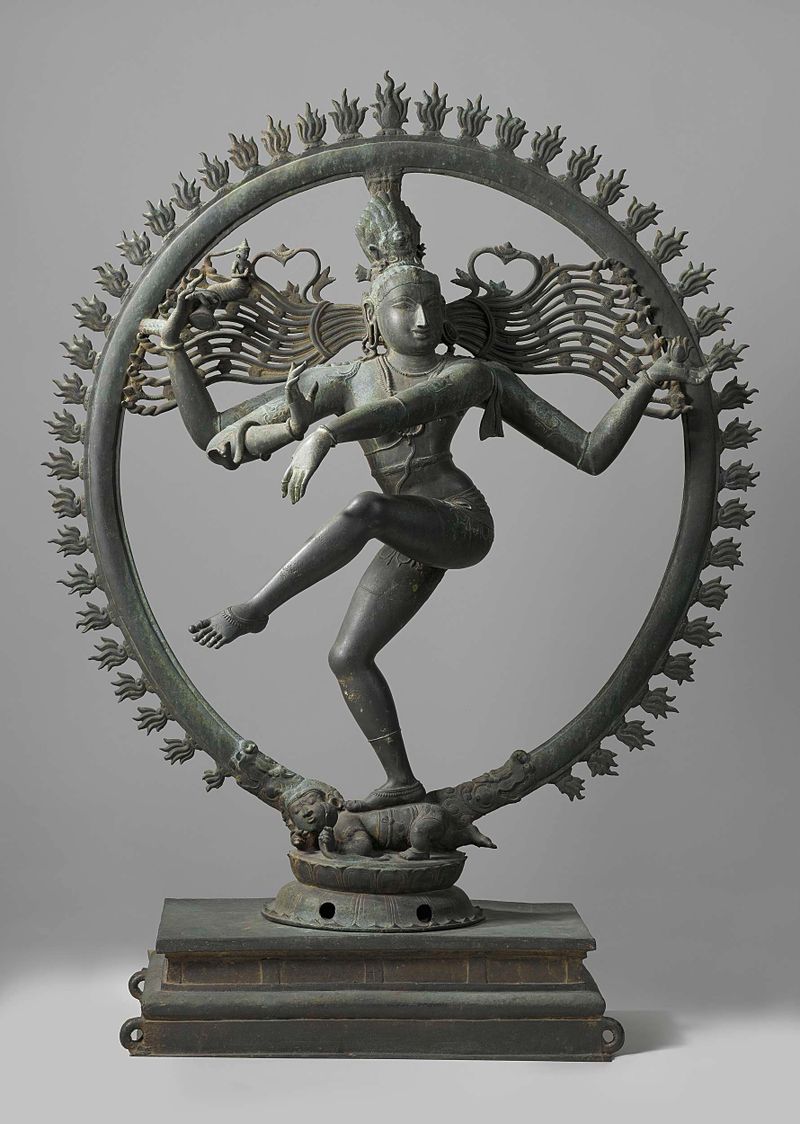
Shiva Nataraja
Unknown Artist
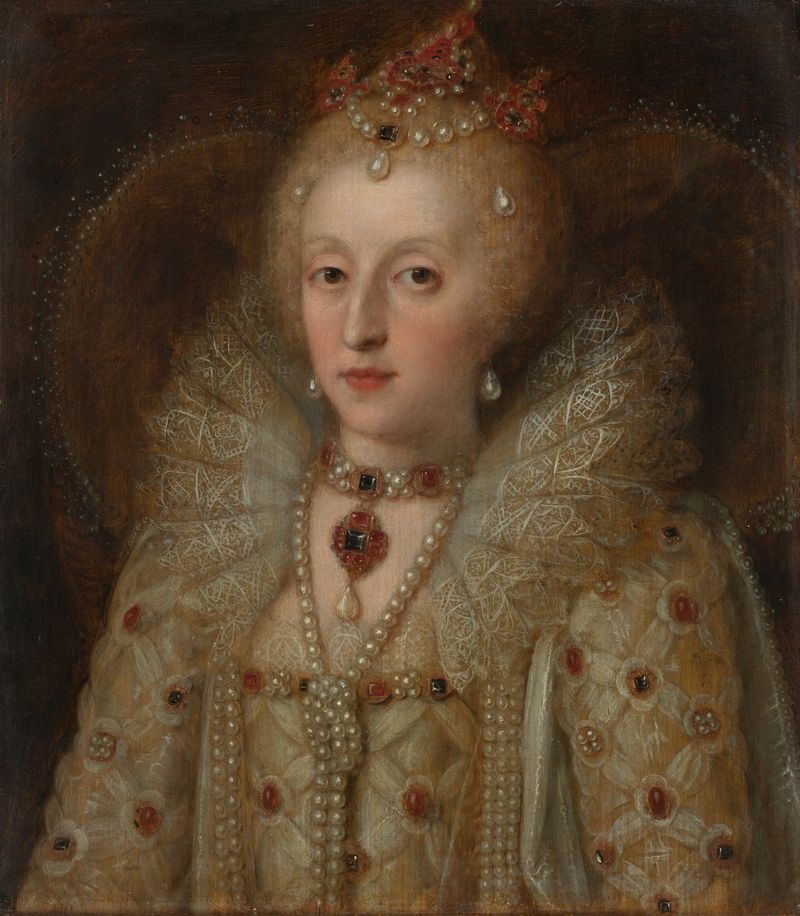
Portrait of Elizabeth I, Queen of England
Unknown Artist
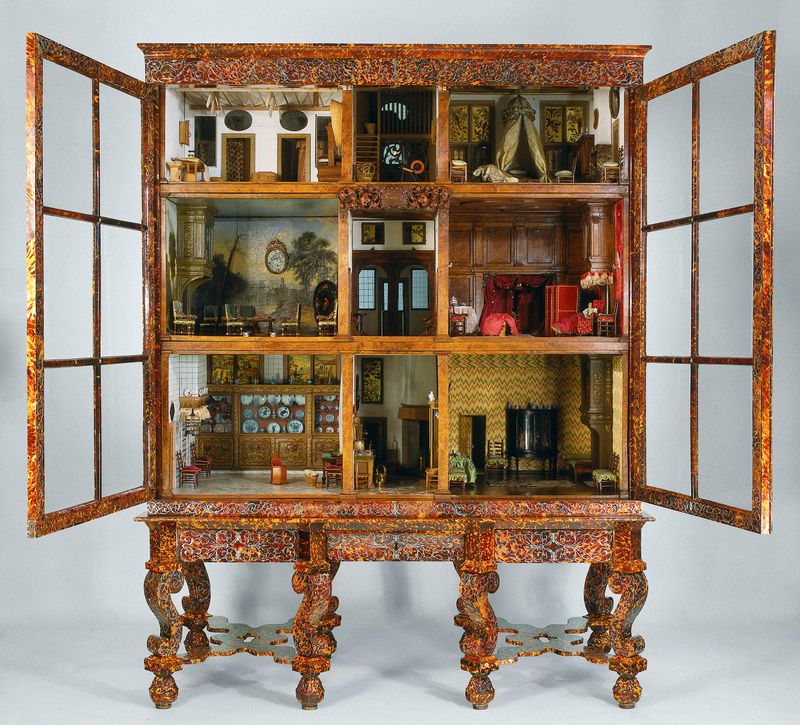
Dolls’ house of Petronella Oortman
Unknown Artist
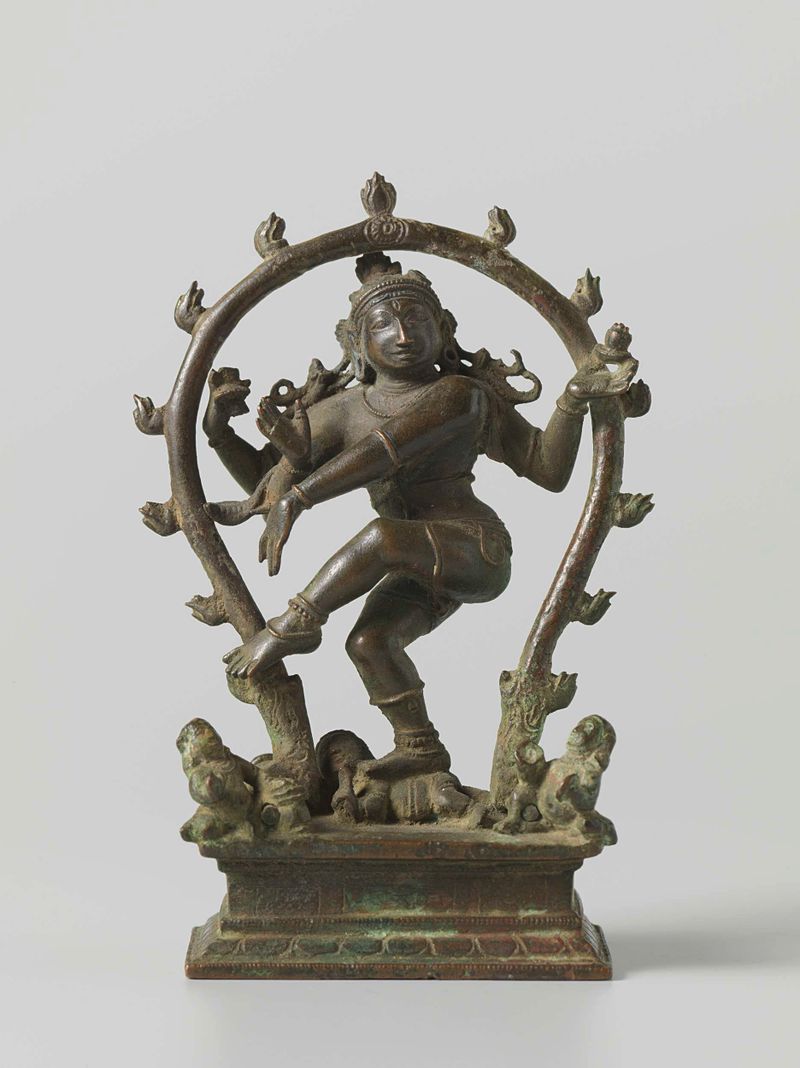
Shiva Nataraja
Unknown Artist

The Tale of Genji
Unknown Artist

The Tale of Genji
Unknown Artist
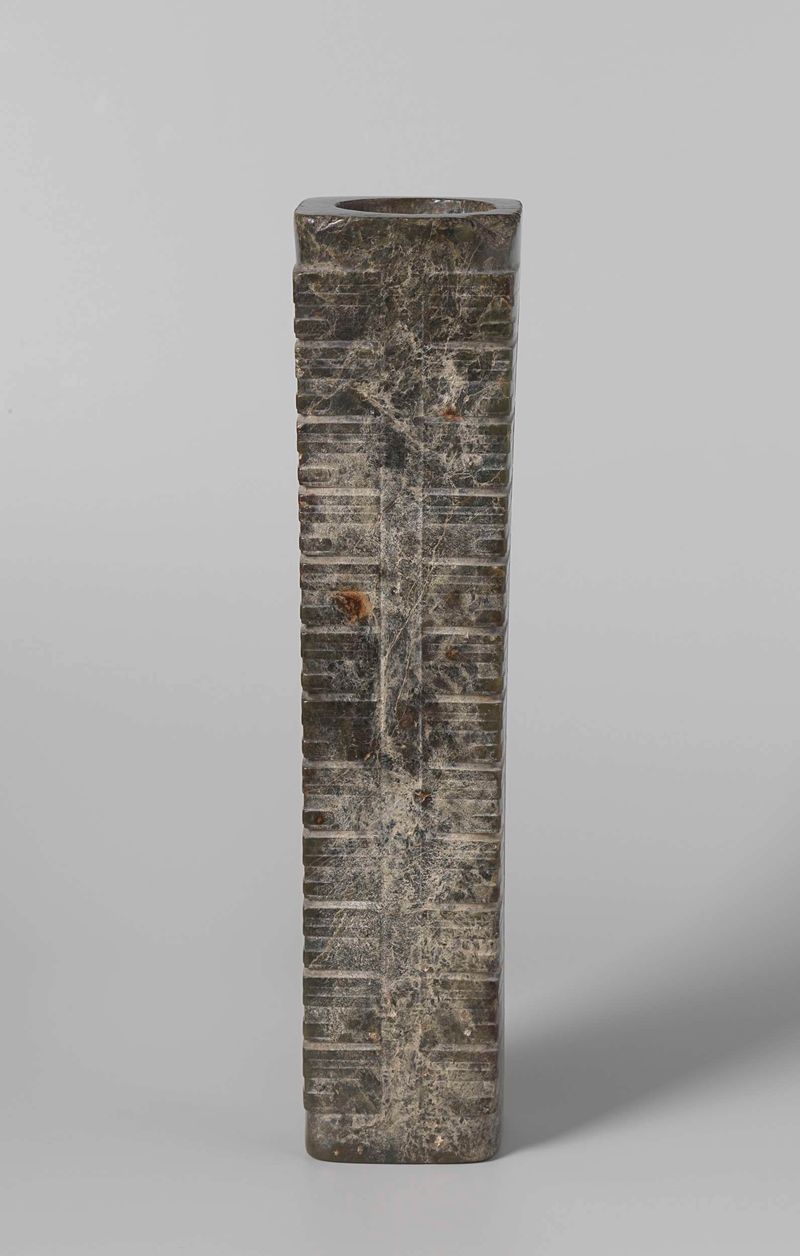
Cong
Unknown Artist
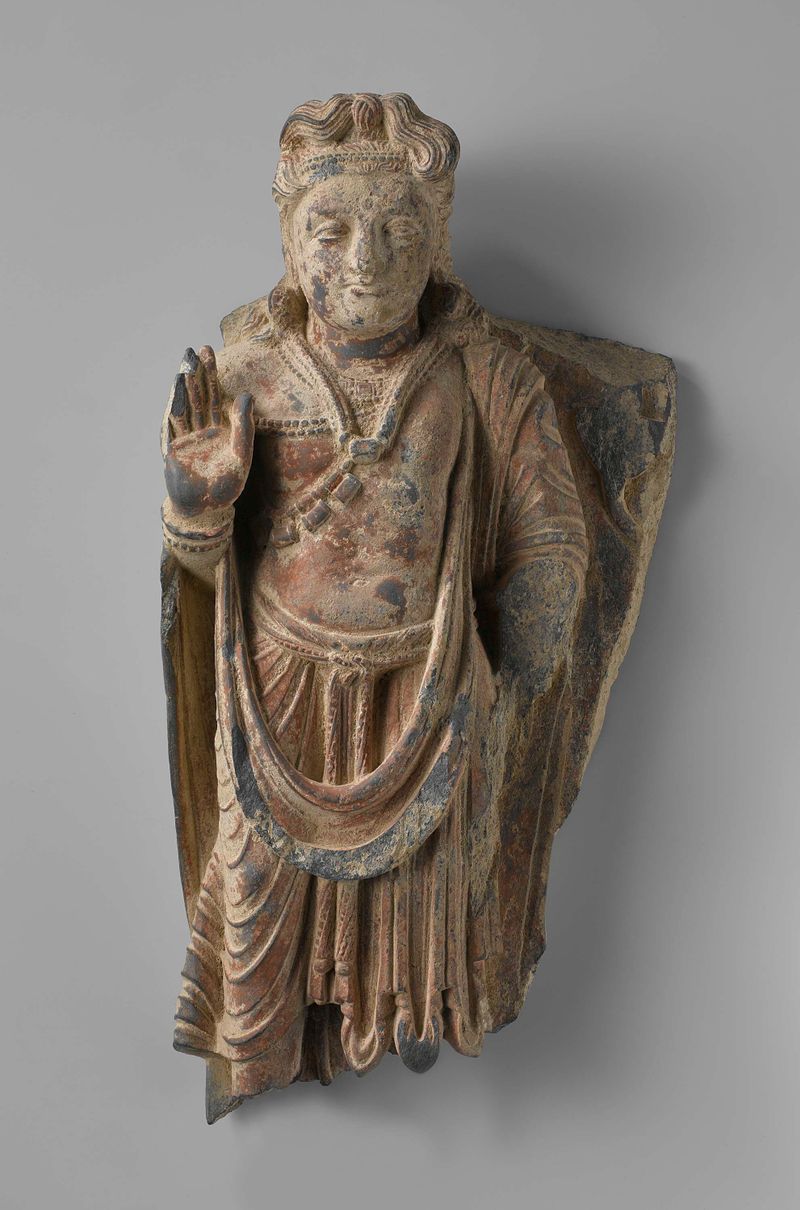
The bodhisattva Maitreya
Unknown Artist
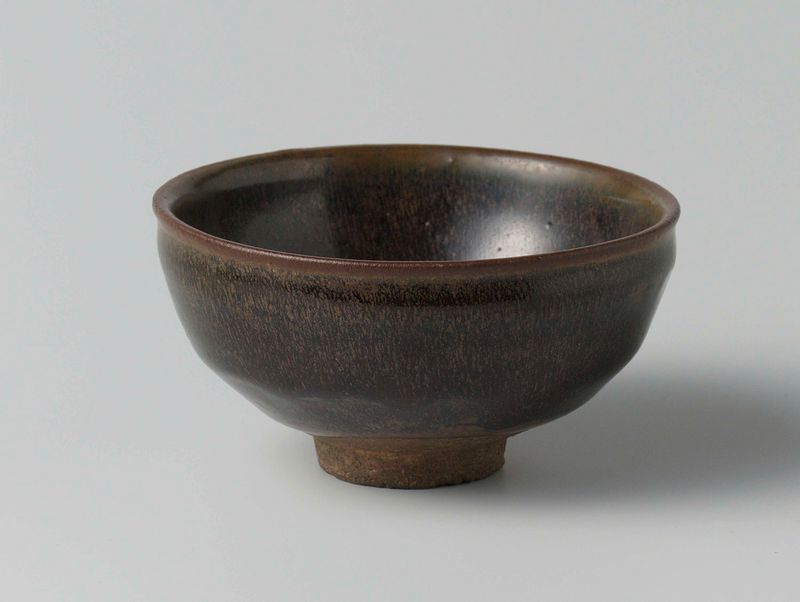
Teabowl with a 'hare's fur' glaze
Unknown Artist





