Grand Canyon of Arizona — History & Facts
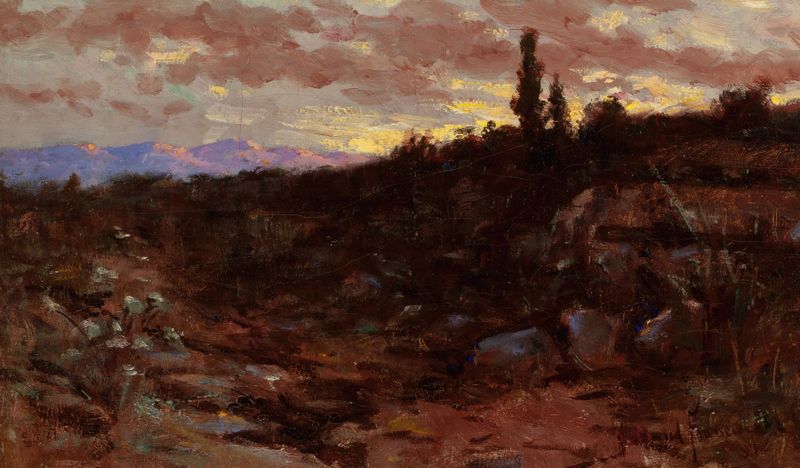
What secret hides in the quiet of the canvas? In the vast expanse of the Grand Canyon, desire breathes life into the monumental silence, whispering stories of exploration and solitude. Look to the bottom left, where warm browns and ochres cradle the earth, drawing the eye upward to the majestic cliffs bathed in soft hues of lavender and blue. The interplay of light and shadow creates a dramatic elevation, inviting contemplation of the canyon’s depths and heights. Brushstrokes are both bold and delicate, giving texture to the rocky surfaces while maintaining an ethereal quality that evokes awe. Yet within this grand landscape lies a tension between the permanence of the rock formations and the fleeting nature of human ambition.
The horizon stretches infinitely, suggesting a desire for freedom and the exploration of the unknown, while the muted palette and expansive emptiness speak to an internal yearning—perhaps for adventure or connection with something greater than oneself. The intricate details within the cliffs hide stories of time and erosion, mirroring the fragile human spirit against the backdrop of nature’s vastness. Created in an unspecified year, the artist was likely influenced by the romanticism of the American landscape, capturing the essence of exploration amid the growing national identity of the United States. John Bond Francisco, navigating the artistic currents of his time, sought to convey not just a view but an emotional resonance that connects viewers to the grandeur of nature and their own inner yearnings.