
Grand Canyon, Yellowstone River, Wyoming — History & Facts
The vastness of a landscape can whisper secrets, revealing the tranquility that often eludes us. In the stillness of nature, we find serenity, a balm for the tumult of our everyday lives. Look to the foreground, where the lush greenery blossoms in vibrant shades of emerald, contrasting with the warm earth tones of the canyon's rugged walls. The river, a serpentine ribbon of blue, draws the eye toward the distant horizon, inviting exploration.
Notice how the light bathes the scene, illuminating the cliffs and casting elongated shadows that evoke a sense of time standing still. Each brushstroke carries a sense of place, as the artist captures the essence of Wyoming's wild beauty in exquisite detail. Within this serene panorama lie deeper emotions; the interplay of light and shadow suggests both the comfort and isolation found in nature. The sweeping curves of the canyon evoke a sense of movement, as if the land is breathing, while the still water mirrors the sky, creating a moment of reflection.
Through this juxtaposition, the scene encapsulates the duality of existence—serenity found in solitude, yet also a hint of solitude's weight. William Louis Sonntag painted this landscape in 1886, a time when the American West was still being explored and romanticized. Living in a period of rapid industrialization, Sonntag sought to capture the untouched beauty of nature as a counterpoint to the encroaching modern world. His work reflects both the emerging appreciation for the American landscape and a longing for tranquil spaces, resonating with a broader cultural movement that idealized the natural world.
More Artworks by William Louis Sonntag
Browse all →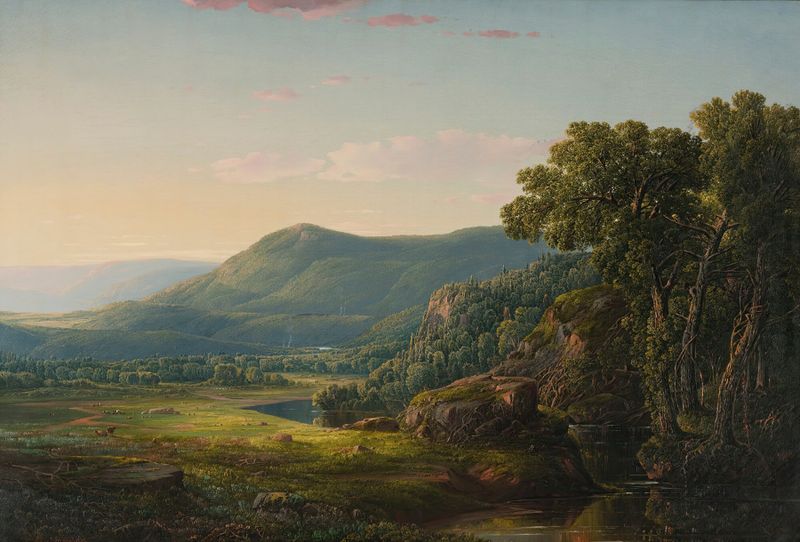
Morning In The Alleghenies
William Louis Sonntag
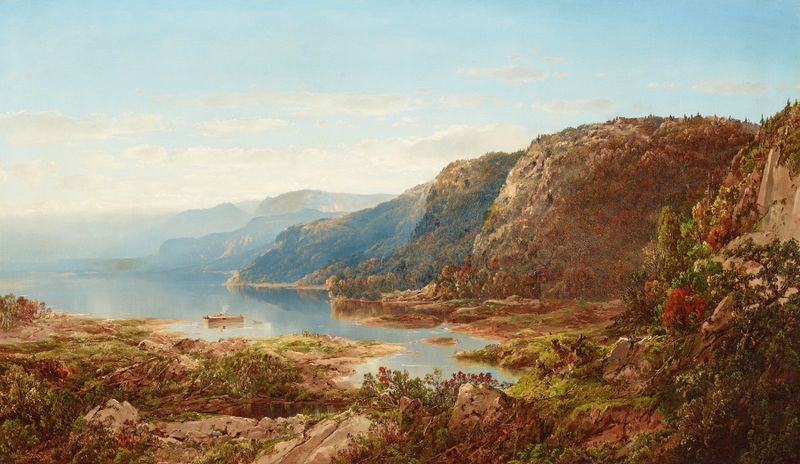
On the Upper Hudson
William Louis Sonntag
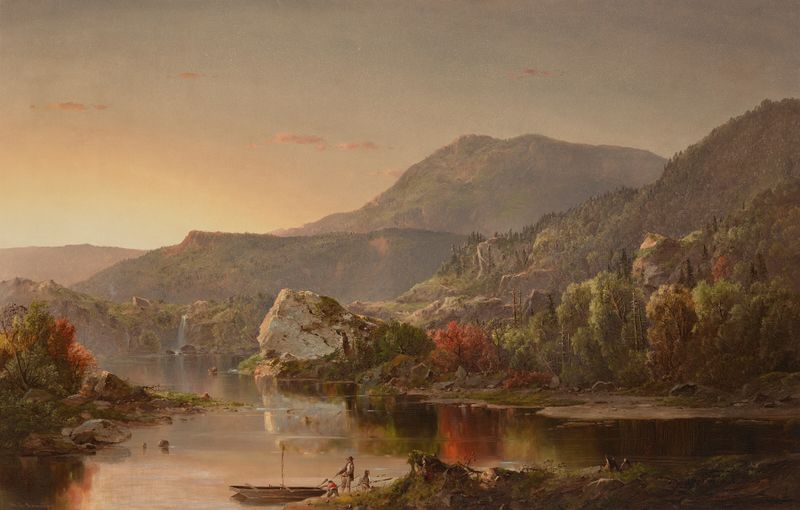
In the Alleghenies
William Louis Sonntag
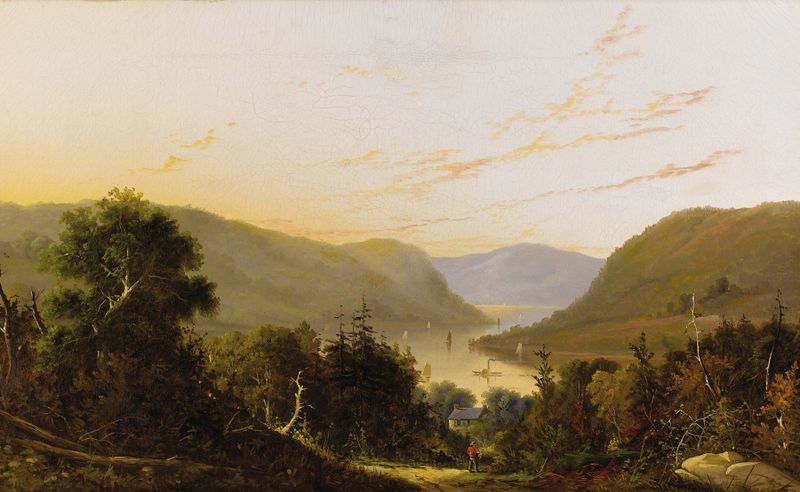
Hudson River Landscape with River Traffic
William Louis Sonntag
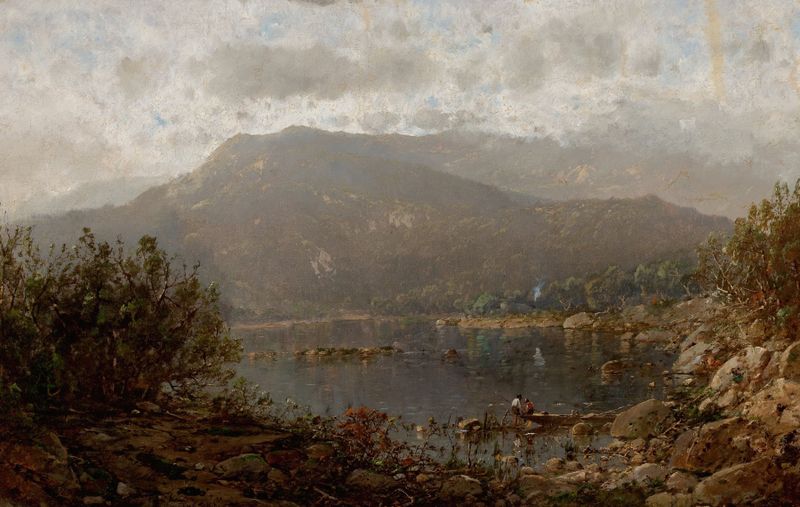
Mountain Lake in the Blue Ridge Mountains
William Louis Sonntag
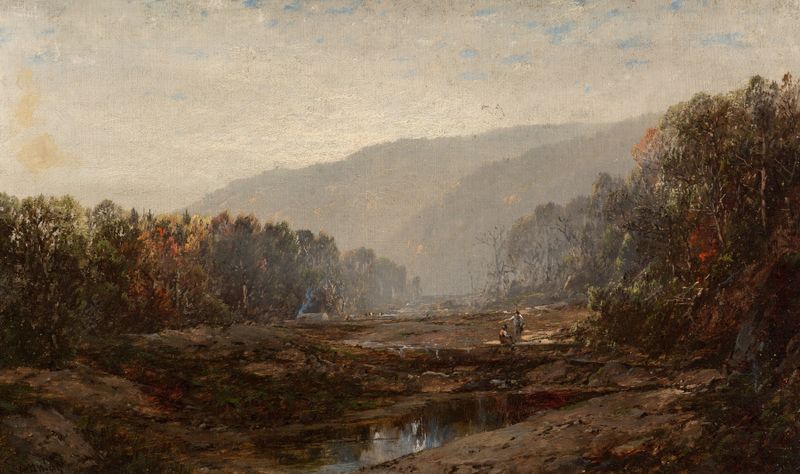
River Landscape
William Louis Sonntag
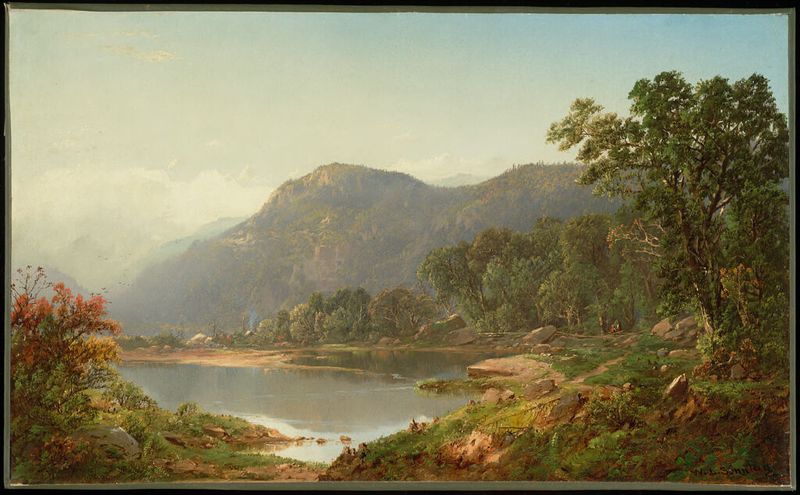
On the Shenandoah
William Louis Sonntag
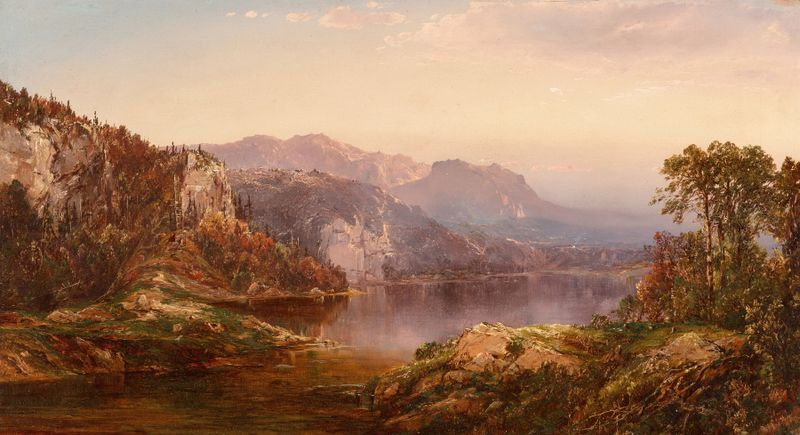
Golden Sunlight
William Louis Sonntag
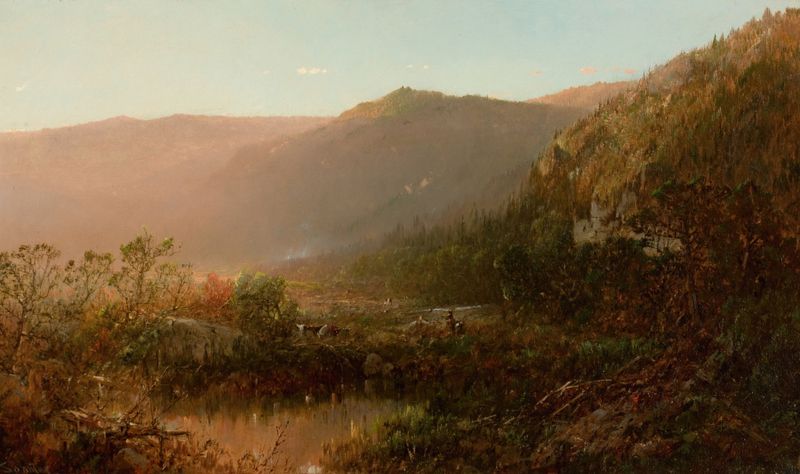
Among the Pilot Mountains, New Hampshire
William Louis Sonntag
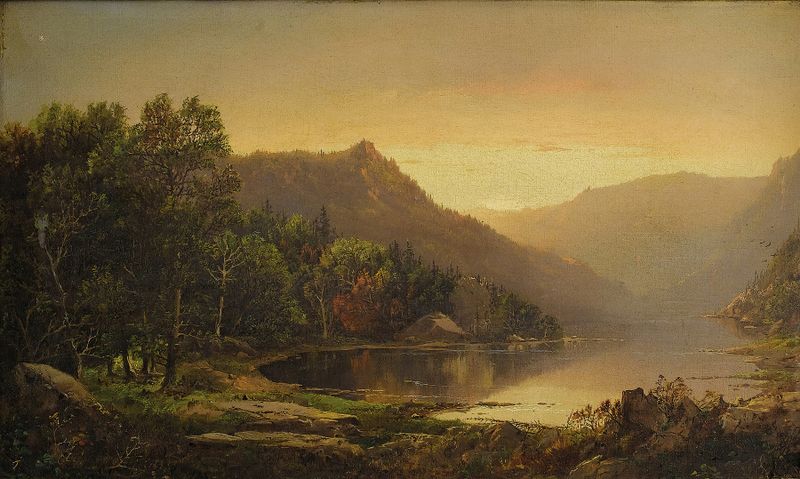
New England Mountain Lake at Sunrise
William Louis Sonntag





