Granite rocks, N. York Island — History & Facts
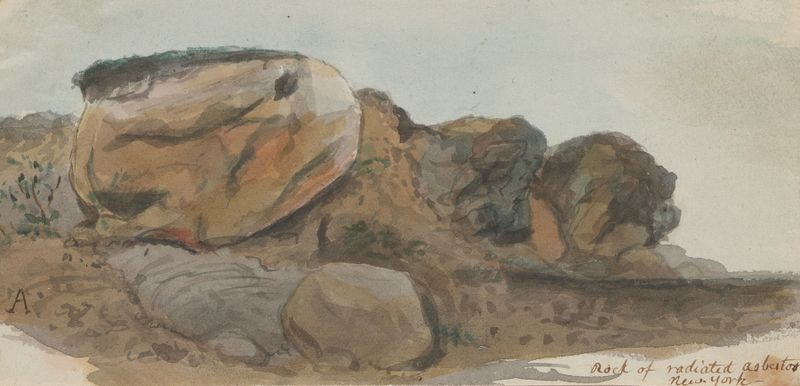
In Granite rocks, N. York Island, the essence of longing entwines with the steadfastness of the landscape, capturing a moment where desire meets nature's unyielding presence. Look to the left, where the rugged granite formations rise resolutely from the earth, their surfaces textured with intricate veining and shadow. The muted palette of grays and greens envelops the composition, creating a serene yet powerful atmosphere.
The subtle play of light across the rocks hints at the passage of time, as if each crevice holds a story yearning to be told. The gentle juxtaposition of light and shadow draws the eye toward the horizon, compelling viewers to explore the depths of the scene. The granite rocks embody both permanence and transience, reflecting the artist's profound understanding of desire. Each fissure and knot in the stone whispers tales of resilience in the face of nature’s relentless forces.
In this stillness, one can sense an underlying tension between the solid rock and the ephemeral moments of life that constantly pass by, echoing a longing for connection and permanence amidst change. During the late 18th century, Alexander Anderson painted this work amidst a burgeoning interest in American landscapes. As a prominent figure in the early years of American art, he navigated a time of cultural awakening, where the exploration of natural beauty was both a personal endeavor and a reflection of the national identity. This painting, like many others of the era, stands as a testament to the desire for connection — to the land, to history, and to the self.