Rock of radiated asbestos, New York — History & Facts
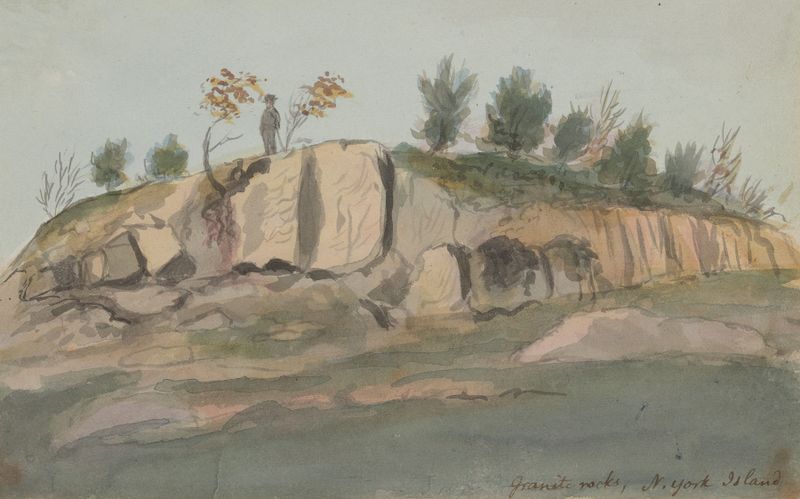
Did the painter know this moment would outlive them? The shadow cast by the rock stretches long and languid, a silent testament to the passage of time and the weight of existence. Look to the left at the sturdy, textured surface of the rock, where the light breaks unevenly across its rugged edges. Notice how the artist employs a muted color palette, allowing the natural gray and beige tones to speak of resilience and decay. The soft gradations highlight the intricate details of the rock’s surface, creating a tangible sense of depth that draws the viewer’s eye deeper into the composition. Beneath the surface, the contrast between light and shadow reveals an emotional tension.
The shadow, so strong yet intangible, speaks to the duality of life—endurance paired with vulnerability. It serves as a reminder of the unseen forces that shape our realities, while the rock itself symbolizes permanence amidst the ephemeral. This interplay provokes a contemplation of our own legacies, as we navigate the landscapes of our lives and the marks we leave behind. Alexander Anderson created this piece during a period of transition in American art, around the late 19th to early 20th century.
Working in New York, he found himself amidst a burgeoning community of artists who were beginning to explore new forms of expression, moving away from traditional styles. This artwork reflects a moment of introspection and connection to nature, capturing the essence of a society grappling with its own identity in a rapidly changing world.