
Gravel Slope — History & Facts
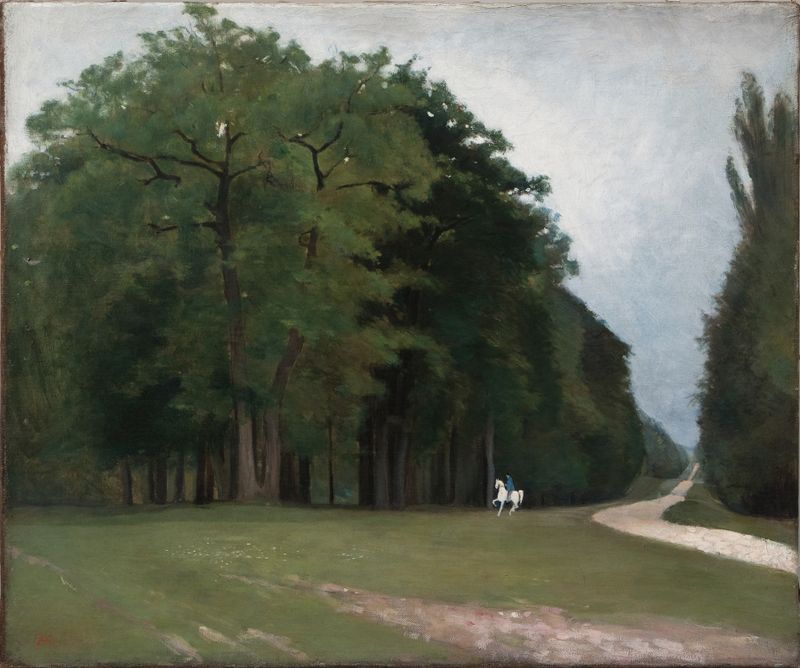
When did color learn to lie? In a world where hues can evoke both harmony and discord, Gravel Slope stands as a striking testament to nature's vivid palette juxtaposed against the starkness of reality. Look to the center, where sharp lines meet soft curves, creating a dynamic interplay between the gravelly earth and the lush greenery. Notice how the artist expertly employs a gradient of greens, while the earthy browns and grays anchor the composition. The light falls gently over the slope, illuminating pockets of shadow that breathe life into the undulating landscape, inviting contemplation and engagement. Delve deeper into the textures upon closer inspection.
The roughness of the gravel contrasts sharply with the delicate wisps of grass, symbolizing a tension between permanence and transience. Each stroke reveals the balance between chaos and order, hinting at the artist’s struggle to reconcile the beauty of nature with its inherent impermanence. The vibrant colors, while captivating, also carry an undercurrent of unease, prompting viewers to question the authenticity of their perceptions. In 1876, Hill painted this work amidst personal turmoil and a growing interest in the Symbolist movement.
Living in Sweden, he faced mental health challenges that influenced his artistic vision. This was a time of deep reflection for him, as artists increasingly sought to convey emotional depth through their works. Gravel Slope encapsulates this search for balance, both within oneself and in the surrounding world.
More Artworks by Carl Fredrik Hill
Browse all →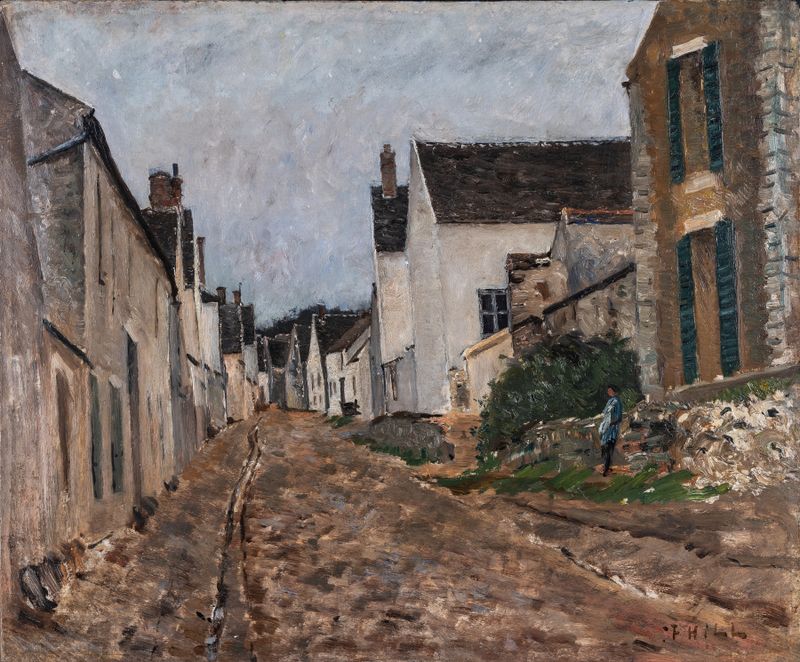
French Village Street, Montigny
Carl Fredrik Hill

The Tree and the River III (The Seine at Bois-le-Roi)
Carl Fredrik Hill
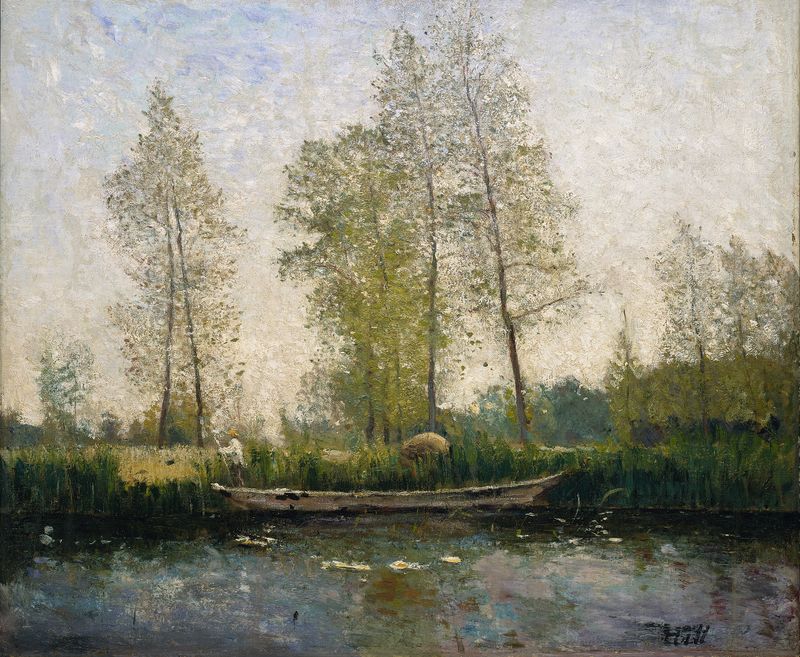
Seine. Motif from St Germain
Carl Fredrik Hill
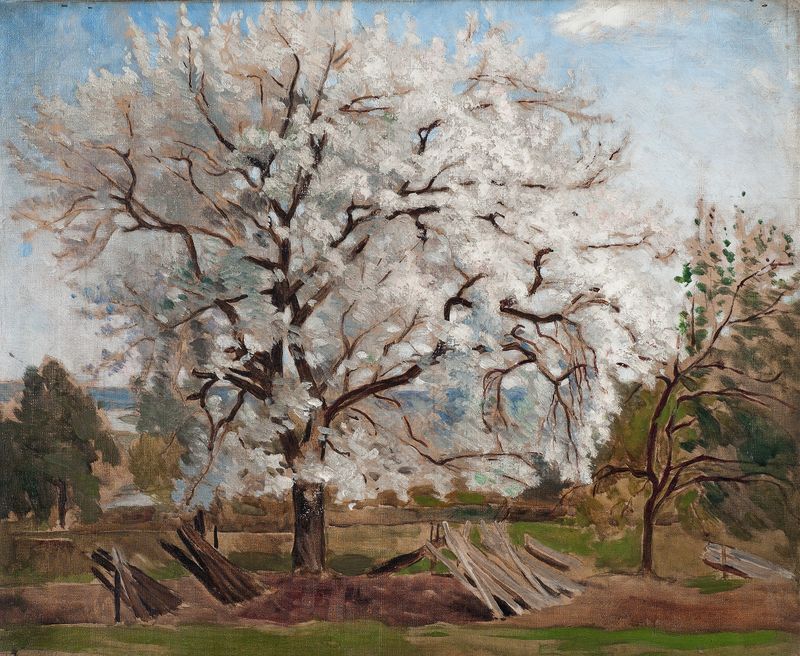
Apple Tree in Blossom
Carl Fredrik Hill
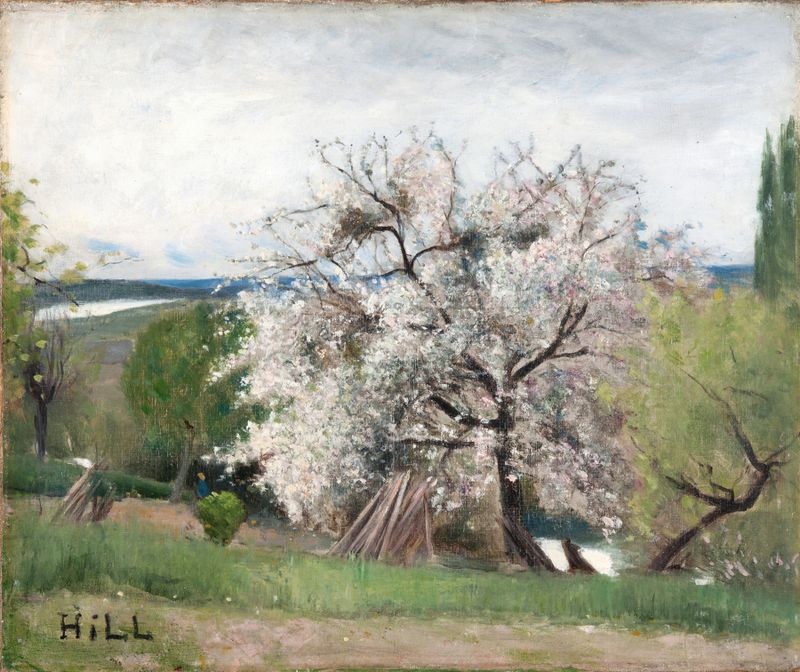
Fruit Tree in Blossom, Bois-le-Roi
Carl Fredrik Hill
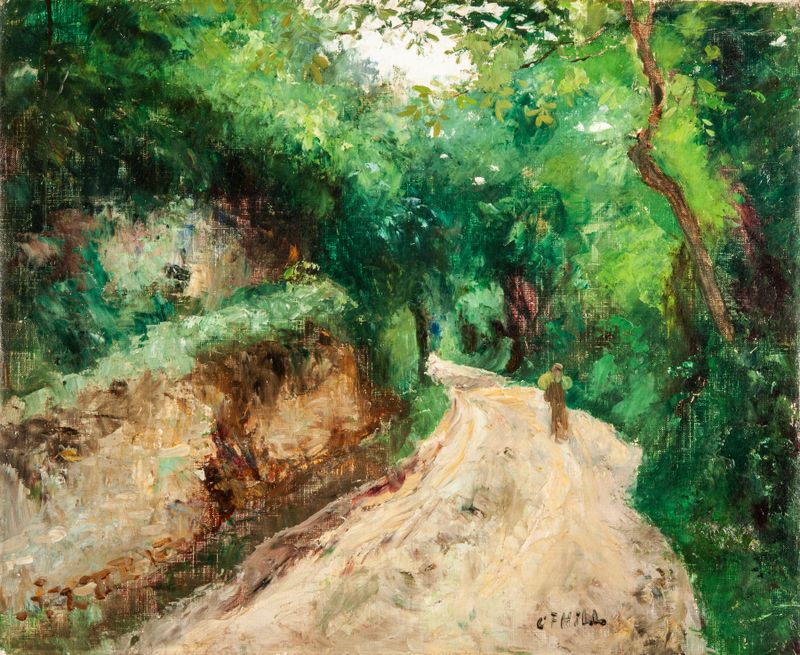
Hollow Road, Fountainebleau
Carl Fredrik Hill
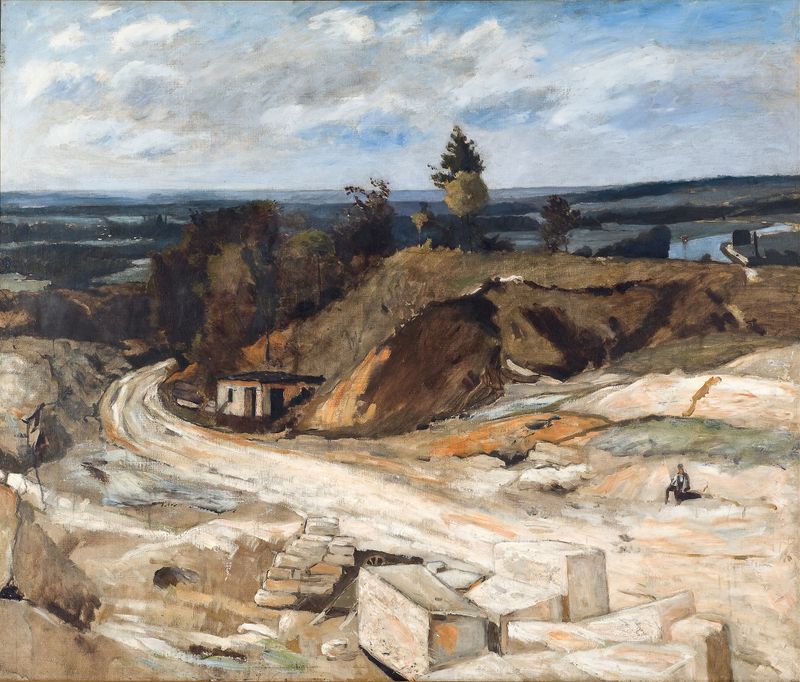
Stonequarry by the River Oise II
Carl Fredrik Hill
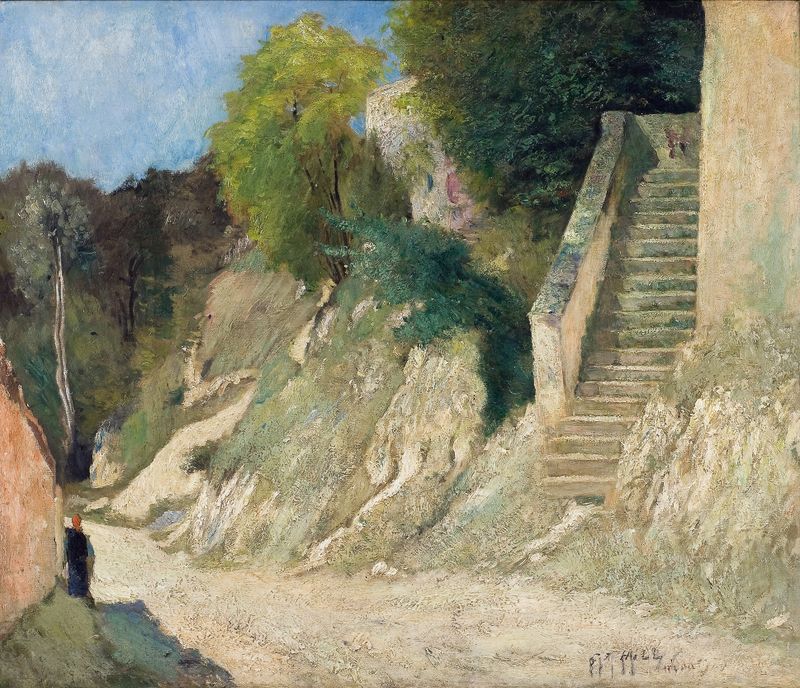
A Steep Ascent in Montigny-sur-Loing
Carl Fredrik Hill
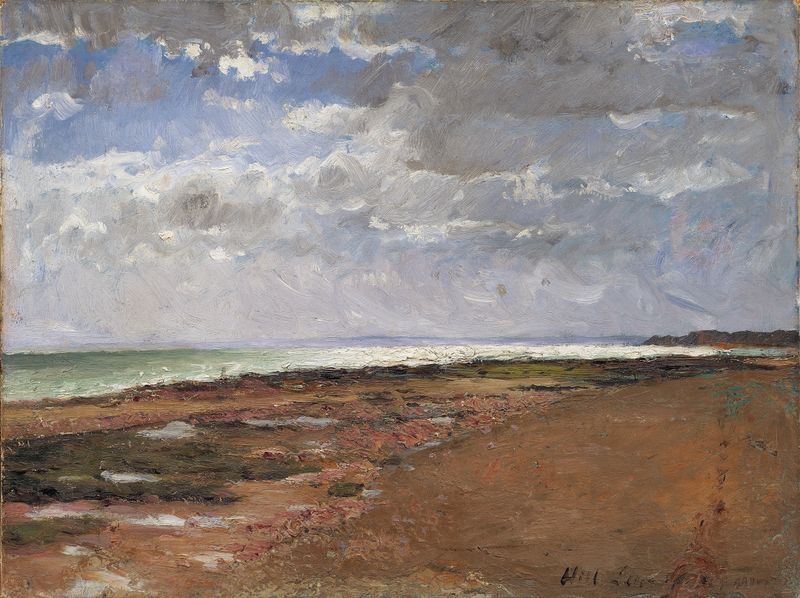
The Beach at Luc
Carl Fredrik Hill
Route de Paris II
Carl Fredrik Hill





