
The Beach at Luc — History & Facts
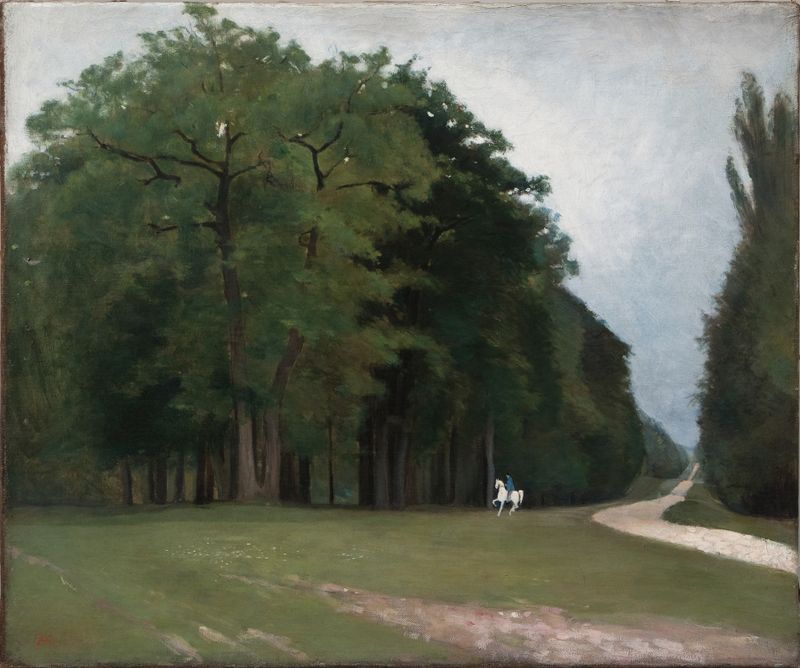
In times of upheaval, it becomes a refuge, a whisper of rebellion against silence. The Beach at Luc encapsulates this spirit, offering a glimpse into a moment suspended between chaos and tranquility. Look closely at the left side of the canvas, where the sun breaks through the clouds, casting a golden hue on the water's edge. The gentle ripples reflect this light, creating a shimmering pathway that invites the viewer into the scene.
As you move your gaze to the figures in the foreground, their carefree poses contrast sharply with the wildness of nature, framed by dark trees that loom in the background. Hill's masterful brushstrokes breathe life into the scene, while the palette of blues and greens evokes both serenity and tension, encapsulating a world on the brink of change. Hidden within the vibrant colors and serene setting lies a deeper narrative. The figures, seemingly lost in leisure, represent the fleeting joys of life amidst the uncertainty of their era.
The turbulent sky serves as a reminder of the storms brewing beyond the horizon, both meteorological and social. This juxtaposition reveals an underlying disquiet, a yearning for freedom that resonates with the revolutionary currents of the time. Each brushstroke hints at the fragility of their joy, as if they are acutely aware of the world’s impending shifts. In 1876, during a period of personal struggle, Carl Fredrik Hill painted this work while seeking solace in the coastal landscapes of Sweden.
At this time, he grappled with mental health issues, yet continued to explore the interplay of light and emotion in nature. The art world was transitioning, and Hill's distinctive style reflected both his personal battles and the broader revolutionary spirit that influenced many artists of his generation.
More Artworks by Carl Fredrik Hill
Browse all →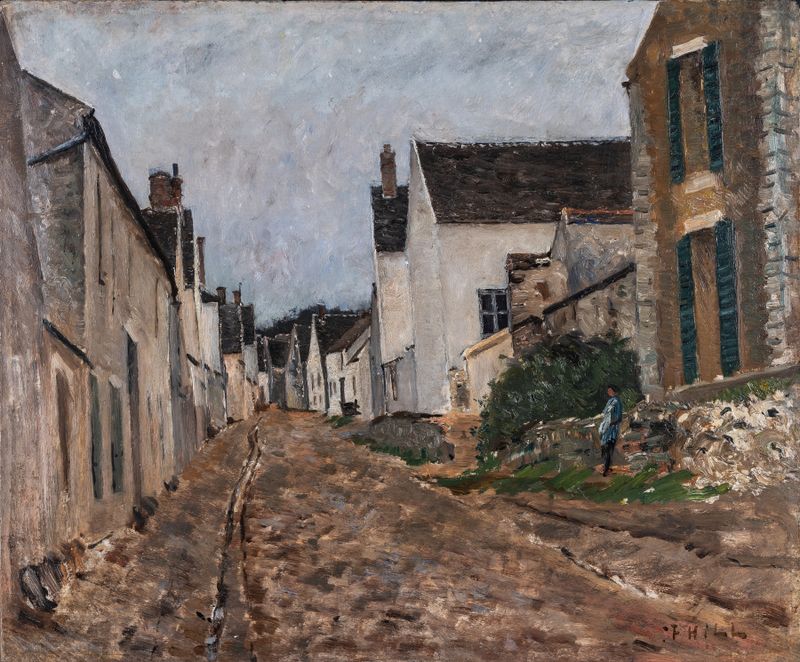
French Village Street, Montigny
Carl Fredrik Hill

The Tree and the River III (The Seine at Bois-le-Roi)
Carl Fredrik Hill
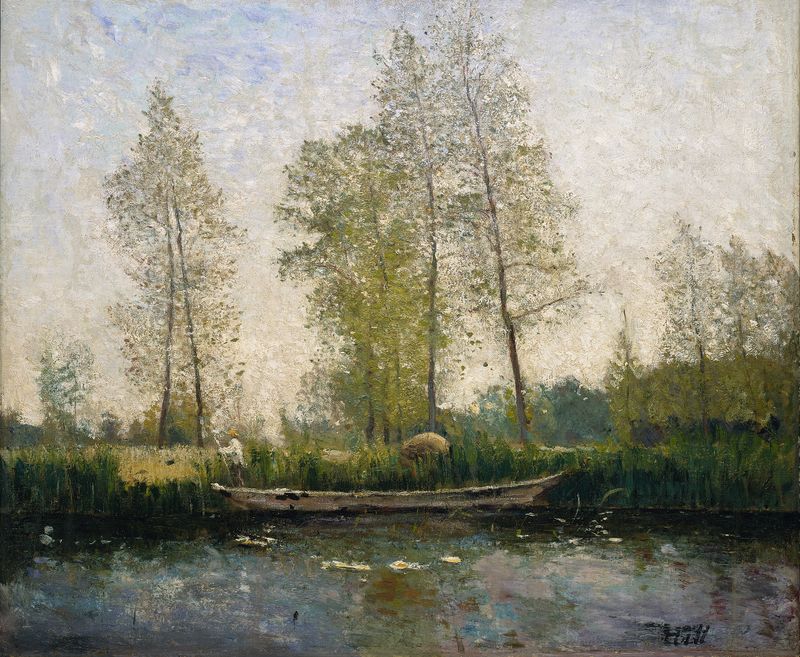
Seine. Motif from St Germain
Carl Fredrik Hill
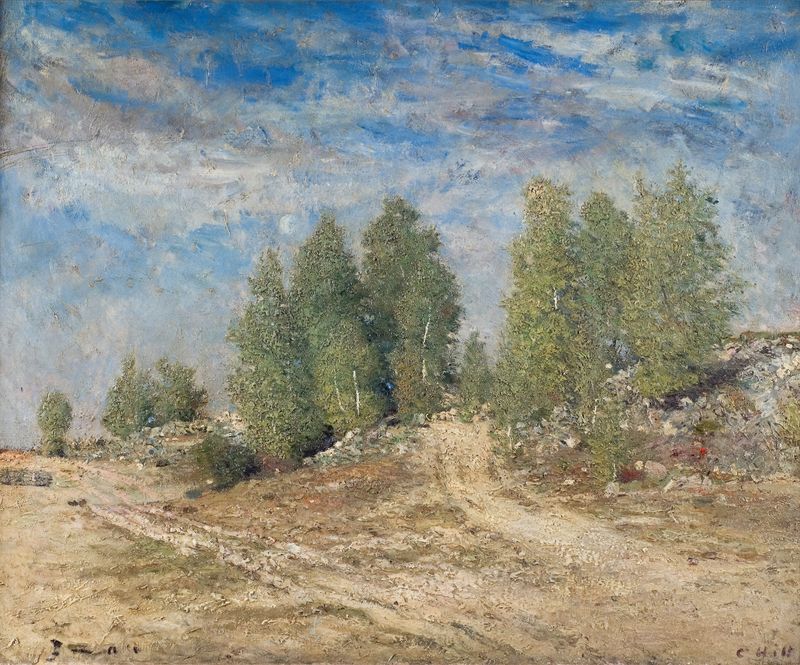
Gravel Slope
Carl Fredrik Hill
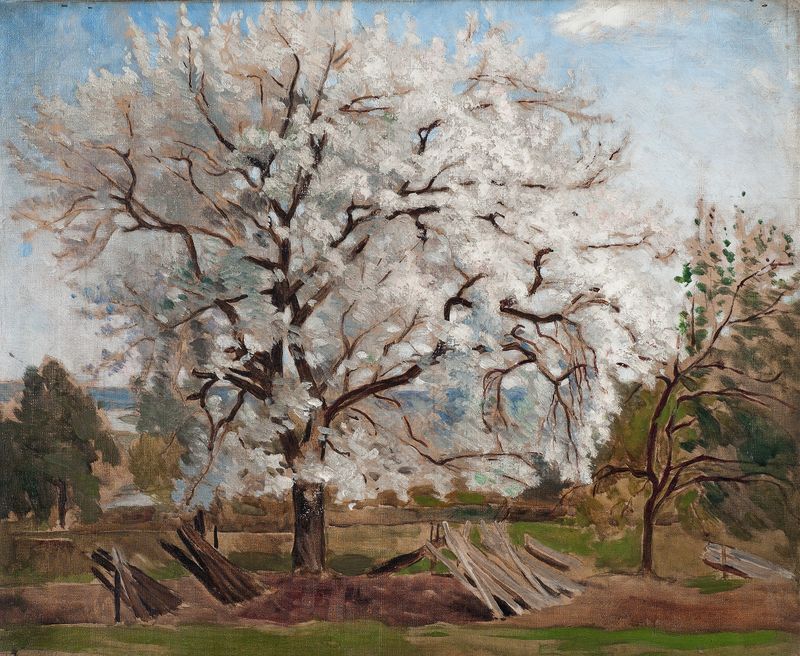
Apple Tree in Blossom
Carl Fredrik Hill
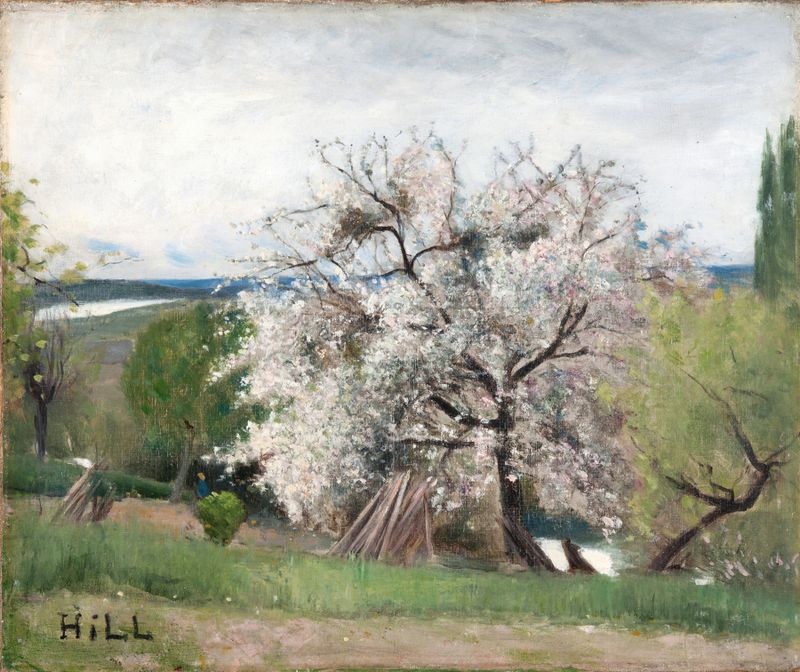
Fruit Tree in Blossom, Bois-le-Roi
Carl Fredrik Hill
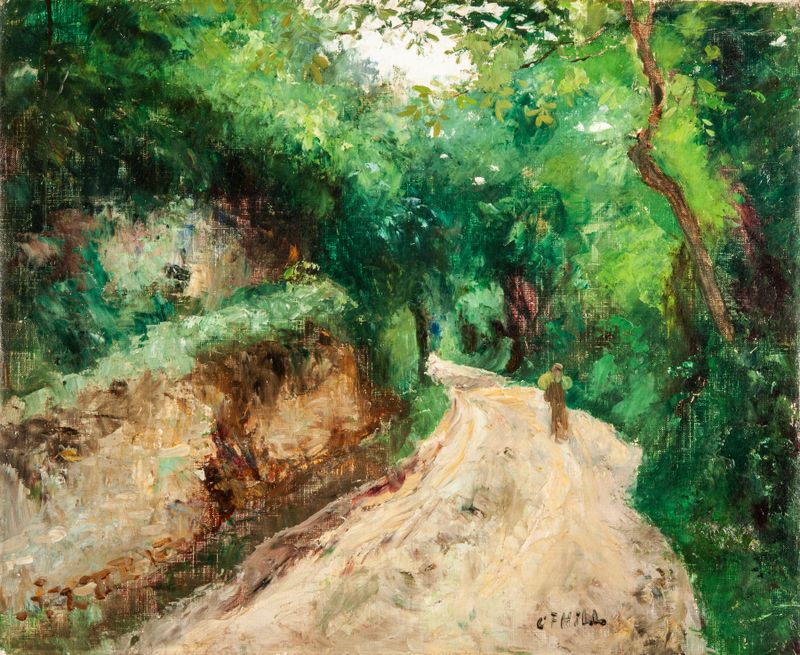
Hollow Road, Fountainebleau
Carl Fredrik Hill
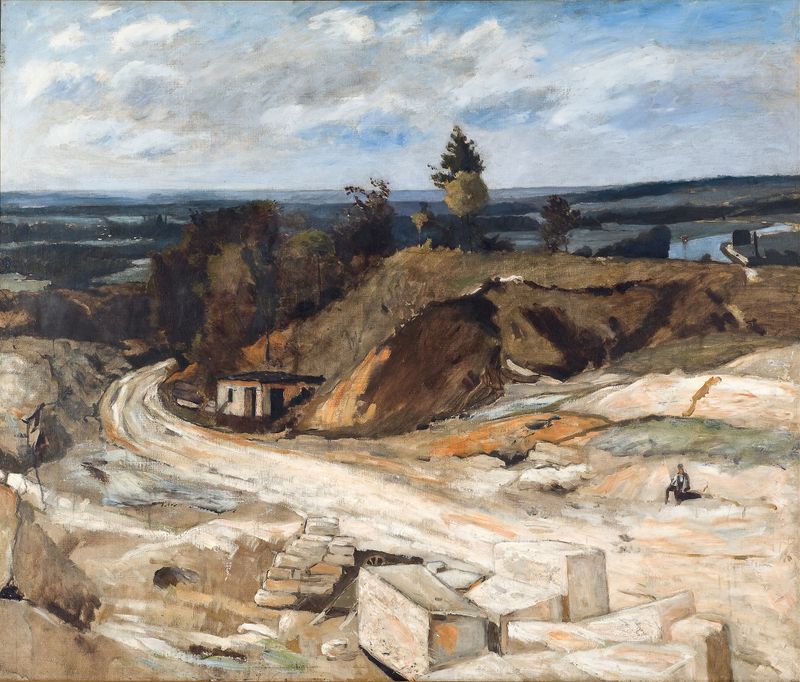
Stonequarry by the River Oise II
Carl Fredrik Hill
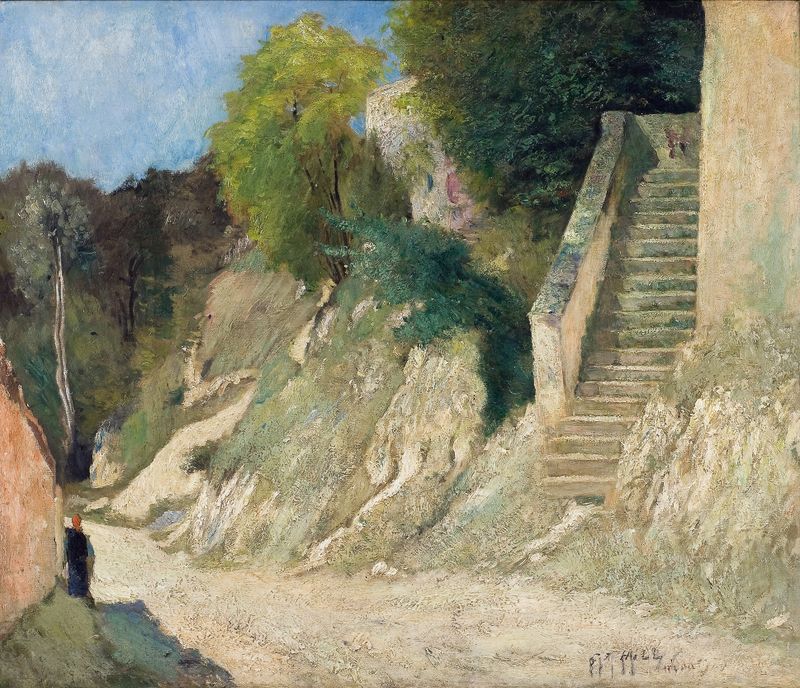
A Steep Ascent in Montigny-sur-Loing
Carl Fredrik Hill
Route de Paris II
Carl Fredrik Hill





