Graveyard — History & Facts
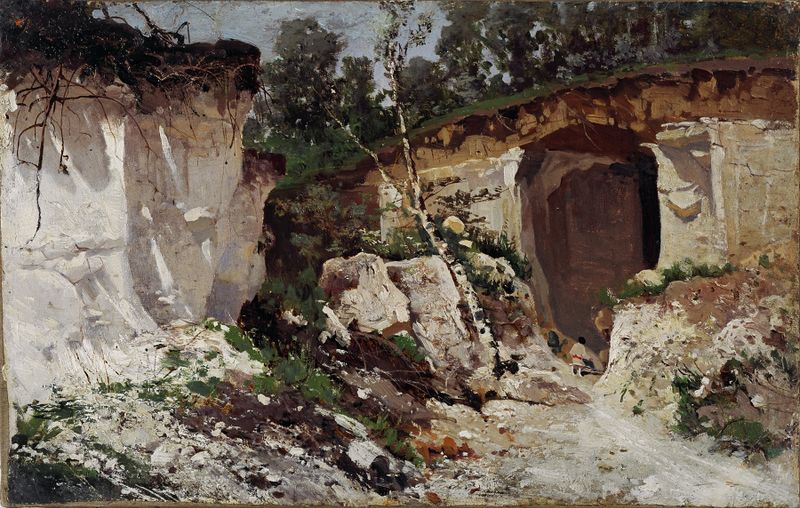
Could a single brushstroke hold eternity? In the quiet realm of art, balance between life and death is not merely a theme but a profound exploration of existence itself. Focus on the serene yet haunting landscape that unfolds before you. Notice how the soft, muted colors create a sense of solemnity, drawing your gaze to the weathered gravestones that punctuate the sprawling ground. The artist’s delicate brushwork captures the play of light filtering through the trees, casting dappled shadows that lend a gentle rhythm to the composition.
Each stone seems to whisper stories of those who once walked the earth, while the flora surrounding them flourishes, creating an intimate interplay between decay and renewal. Hidden within this tranquil setting are emotional tensions that evoke contemplation. The juxtaposition of the somber gravestones against the vibrant life of nature reveals a delicate balance between remembrance and forgetfulness. Each element, from the swaying grasses to the encroaching trees, serves as a reminder of the inevitability of time, illustrating the transient nature of human existence amid the permanence of the graves.
The profound silence of the scene invites viewers to reflect on their own mortality, urging a deeper connection with the spaces we inhabit. Jūlijs Feders created Graveyard in 1880 while residing in Latvia at a time when realism was emerging as a powerful movement in art. This period found artists grappling with the portrayal of everyday life and the exploration of deeper themes, reflecting societal changes and personal introspection. Feders, through this work, tapped into the universal experience of loss and the quiet beauty that surrounds it, capturing the essence of his contemporaries while forging his own path in the art world.