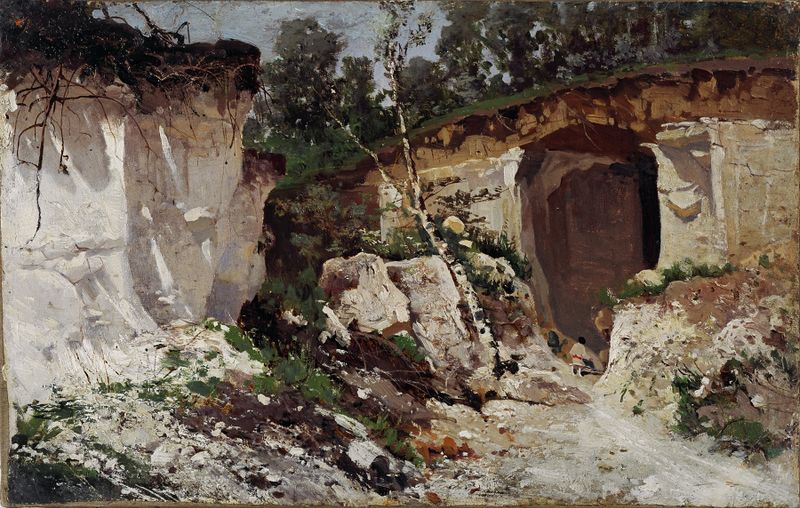
The Gauja Valley — History & Facts
This profound truth resonates in the heart of the observer as they gaze upon the enchanting scene before them. In a world rife with sorrow, the ethereal beauty of nature can be a somber reminder of the fragility of existence. Look to the left at the gentle curve of the river, mirroring the soft undulations of the hills. The colors blend seamlessly, with lush greens giving way to the warm hues of evening light.
Notice how the rich golds and deep blues interplay, creating a tapestry that feels both tranquil and transient. The composition draws the eye through the valley, inviting you to traverse the landscape with a careful gaze. Hidden within this serene vista is a deeper emotional tension. The serene surface of the water hints at deeper undercurrents, echoing the duality of calm and chaos inherent in life.
The juxtaposition of vibrant nature against a backdrop of shadows evokes a feeling of hope interlaced with melancholy, urging the viewer to reflect on the complexities of faith and resilience in the face of adversity. In 1891, Jūlijs Feders crafted The Gauja Valley during a period when Latvia was experiencing a cultural awakening. As an artist deeply influenced by the natural world, he captured this landscape amidst a burgeoning national identity. His work reflects the broader movements in European art, where the interplay of light and color was being explored amidst changing social and political landscapes.