Gray day — History & Facts
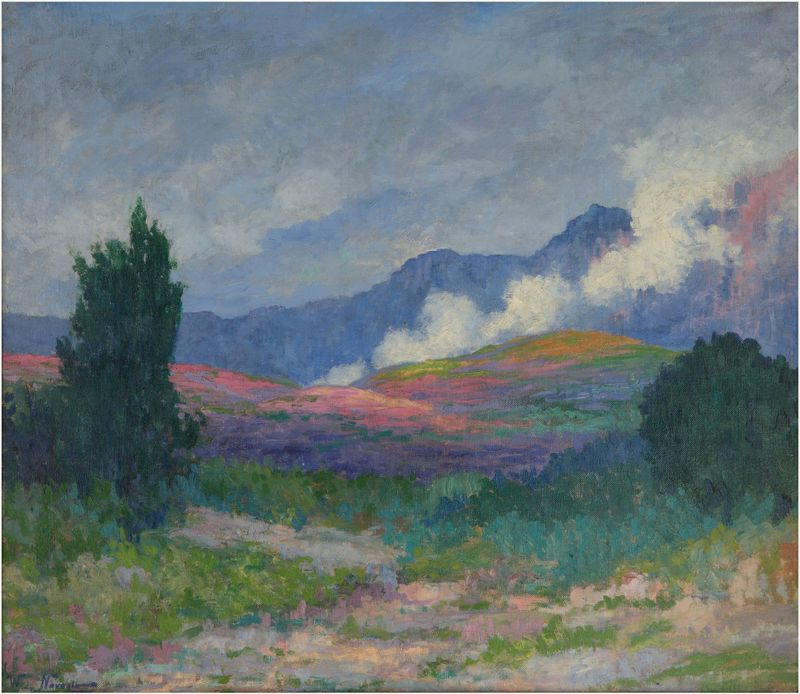
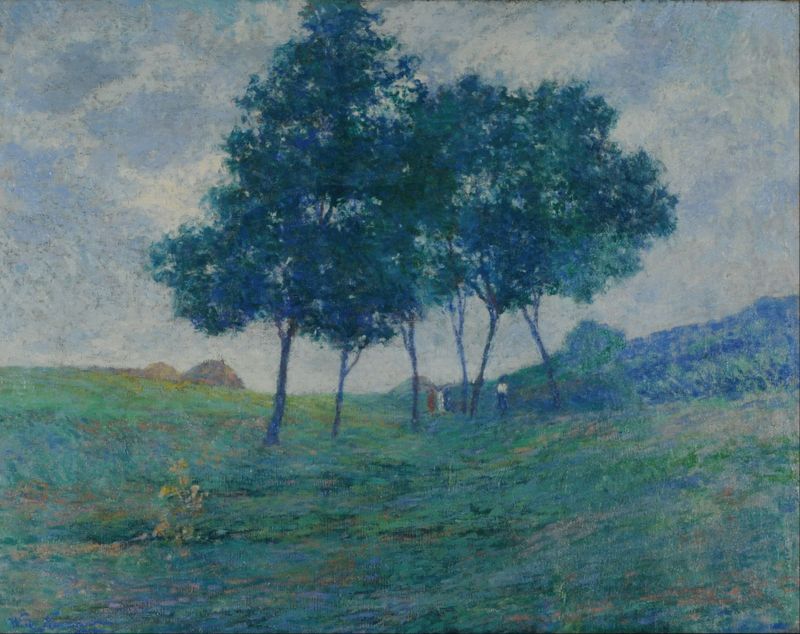
Is this a mirror — or a memory? In Gray Day, the canvas presents an expanse of muted tones that evoke a sense of introspection, inviting the viewer to ponder their own sense of emptiness or reflection. Look to the center of the piece where a soft gray hue dominates, creating a serene yet somber atmosphere. The gradient of color is expertly blended, reminiscent of a fog that envelops the landscape. Notice how the subtle variations of gray, like whispers of thought, suggest both depth and a sense of void, while the delicate brushstrokes form a silent dialogue between light and shadow. As you delve deeper, explore the small, almost imperceptible textures within the painting that hint at underlying emotions.
The roughness of the brushwork contrasts with the smoothness of the surface, echoing the tension between isolation and connection. The absence of vivid colors amplifies this emotional dichotomy, forcing the viewer to confront their own interpretations of nostalgia and absence, suggesting a landscape of memory rather than a literal scene. Walter de Navazio created Gray Day in 1912 during a time of personal upheaval and transition in his artistic journey. Living in a period marked by shifting artistic movements, he sought to capture the complexities of human emotion through abstraction.
This work reflects both his grappling with the void of modernity and his exploration into the depths of human experience, leaving an indelible mark on the early 20th-century art landscape.