
Greek ruins — History & Facts
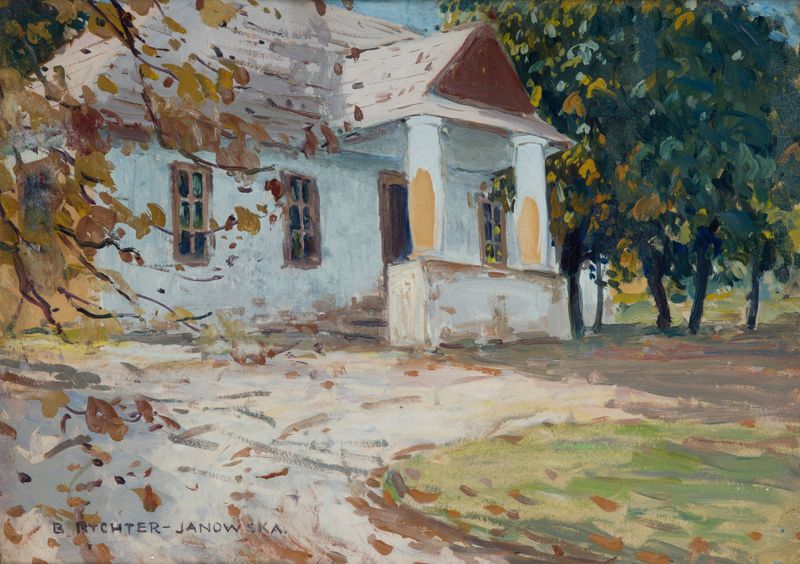
In the juxtaposition of decaying structures and vibrant life, hope emerges as a beacon amidst the ruins. Each brushstroke becomes a testament to resilience, echoing whispers of a past that continues to inspire the present. Look to the left at the crumbling columns, their forms standing proud against a backdrop of soft pastel skies. The artist’s deft use of light captures the ethereal glow of dawn, illuminating the ancient stones and inviting viewers to contemplate the beauty within decay.
Warm ochres and cool blues intermingle, guiding your gaze through the ruins and toward the lush greenery reclaiming its territory. This interplay of color and texture creates a dialogue between the manmade and the natural, suggesting that life persists even as civilizations fade. Hidden within the composition, the tension between past and present is palpable. Notice the delicate vines curling around the stone, symbolizing nature's unwavering desire to thrive despite human absence.
The juxtaposition of sharp angles and soft, organic lines evokes the fragility of both memory and hope, inviting viewers to ponder what legacies we choose to remember or forget. Herein lies a profound commentary on mortality; the ruins are not merely remnants but also reminders of enduring beauty and the cyclical nature of existence. In 1923, Bronisława Janowska-Rychter painted this work during a time of personal and artistic exploration. Living in a post-war Europe, she sought to capture the remnants of history through her art, navigating the complexities of identity and memory.
The interconnectedness of the world of art at that time influenced her approach, as artists increasingly turned to themes of nostalgia, one that resonates powerfully in her depiction of Greek ruins.
More Artworks by Bronisława Janowska-Rychter
Browse all →

More Architecture Art
Browse all →
The statue of Liberty
Frédéric Auguste Bartholdi

View of Houses in Delft, Known as ‘The Little Street’
Johannes Vermeer

View of Houses in Delft, Known as ‘The Little Street’
Johannes Vermeer

The Cathedral in Rouen. The portal, Grey Weather
Claude Monet

The yellow house
Vincent van Gogh

The Church in Auvers-sur-Oise, View from the Chevet
Vincent van Gogh