
Small Manor — History & Facts
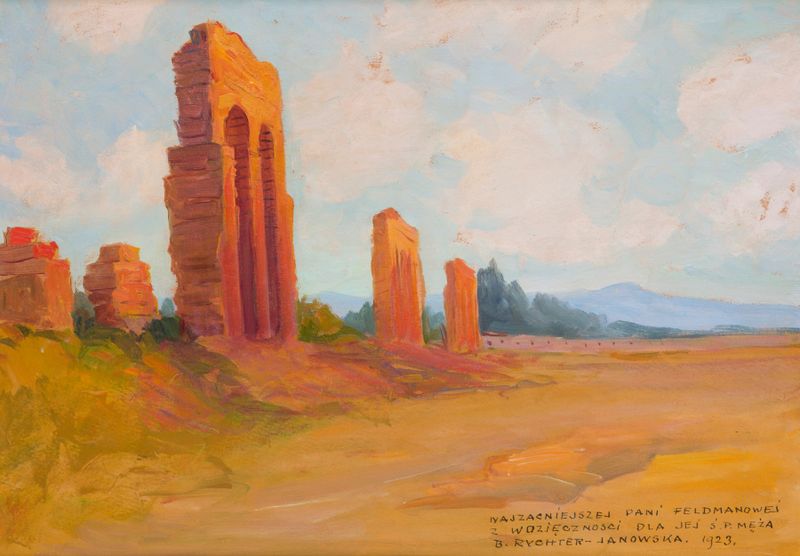
What if beauty was never meant to be finished? In the stillness of Small Manor, a haunting echo of grief resonates, as if the walls themselves bear witness to unspoken sorrows. Look to the center of the canvas, where a modest yet elegant manor stands, its facade softly illuminated in muted earth tones. The gentle strokes reveal subtle textures that evoke a sense of tenderness, while shadows play across the architecture, hinting at stories locked within. Notice how the surrounding landscape, with its overgrown greenery and subdued colors, harmonizes with the structure, creating a serene, if melancholic atmosphere that invites contemplation. The small, unassuming manor symbolizes the fragility of memory, encased in a moment where time seems to stand still.
The interplay between light and shadow not only highlights the building but also suggests the weight of nostalgia and loss, as if the manor longs for the laughter and warmth it once housed. In the quiet corners of the composition, a sense of abandonment lingers, evoking the bittersweet essence of what remains when life moves on. Created in an unspecified period, the artist found herself navigating the complexities of a shifting art world, where traditional forms often collided with emerging modernist ideas. Janowska-Rychter, in her pursuit of capturing beauty in the mundane, offered a poignant reflection on personal and collective grief, subtly intertwining her own experiences with the universal theme of remembrance in a rapidly changing society.
More Artworks by Bronisława Janowska-Rychter
Browse all →

More Architecture Art
Browse all →
The statue of Liberty
Frédéric Auguste Bartholdi

View of Houses in Delft, Known as ‘The Little Street’
Johannes Vermeer

View of Houses in Delft, Known as ‘The Little Street’
Johannes Vermeer

The Cathedral in Rouen. The portal, Grey Weather
Claude Monet

The yellow house
Vincent van Gogh

The Church in Auvers-sur-Oise, View from the Chevet
Vincent van Gogh